The Selangor State Government is navigating a critical phase in establishing Port Klang's third terminal facility on Carey Island, with attention focused on untangling overlapping land ownership claims that have stalled the ambitious maritime infrastructure project. Transport Minister Anthony Loke confirmed that discussions between state authorities, the Transport Ministry, and private sector stakeholders are progressing through a concession arrangement designed to move the scheme forward. The resolution of property rights represents the most pressing immediate hurdle before construction can commence, despite high-level political backing for the venture.
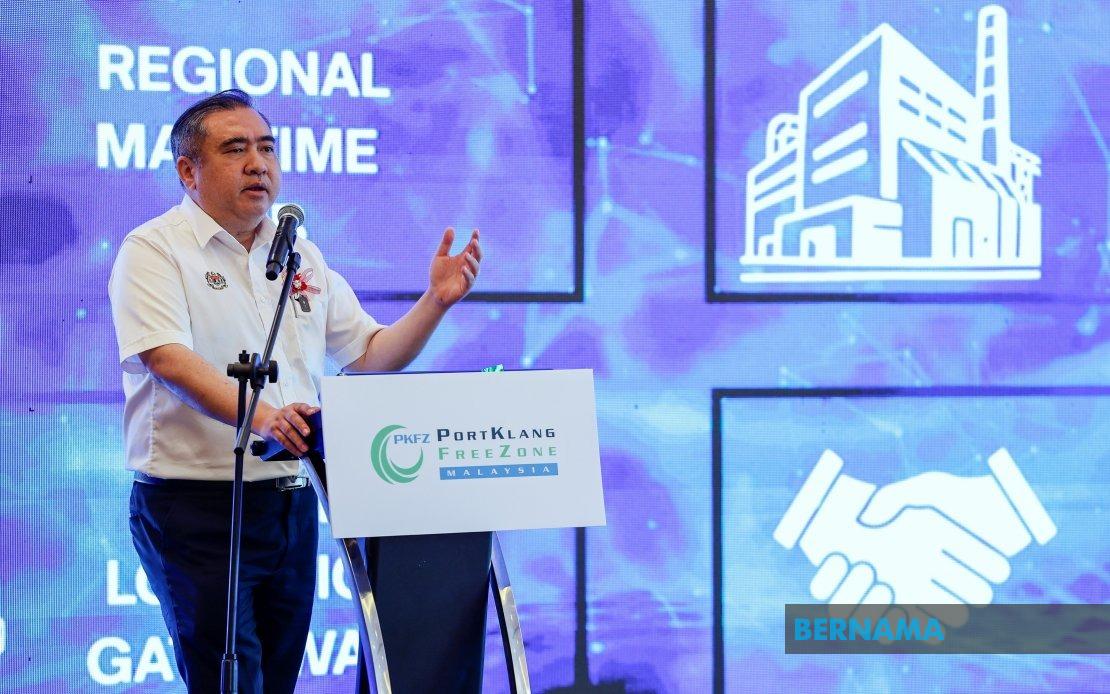
Loke outlined the proposed financing and operational framework during remarks made at several industrial openings at Port Klang Free Zone. The initiative will operate under a Build-Operate-Transfer model, a structure that allows a private operator to construct and run the facility before eventually transferring ownership to the government. Although officials harbour ambitions to launch construction within the year, Loke stressed that settling the land dispute must take precedence over rushing toward groundbreaking ceremonies. This measured approach reflects recognition that property complications could undermine the entire project if not properly resolved at the outset.
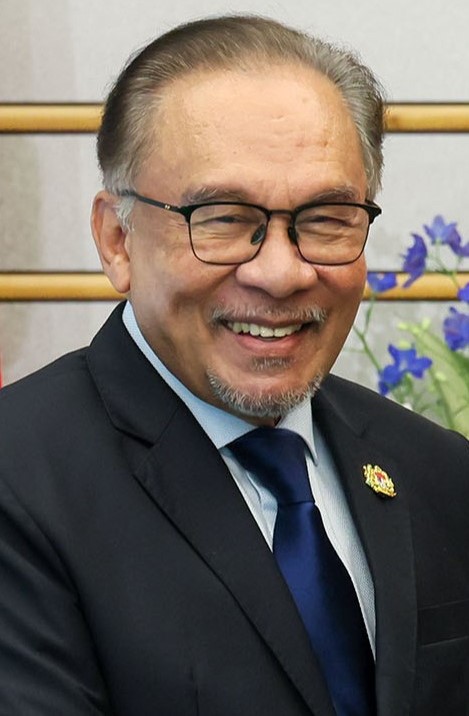
The third terminal represents a cornerstone strategy in Malaysia's effort to maintain and expand its standing as a premier Southeast Asian maritime hub. Officials regard the facility as instrumental in enhancing the nation's economic resilience and international competitiveness within port operations and related logistics sectors. The project has received explicit endorsement from Prime Minister Datuk Seri Anwar Ibrahim, who previously instructed relevant agencies to accelerate progress toward implementation. This top-level support underscores the administration's conviction that port modernisation directly strengthens Malaysia's broader economic trajectory.
Selangor Menteri Besar Datuk Seri Amirudin Shari disclosed that planners have identified approximately 1,699.68 hectares of suitable land on Pulau Carey within Kuala Langat district. The designated territory comprises two distinct parcels with separate ownership structures. The first component encompasses 1,011.71 hectares of seabed, administered by the Selangor State Development Corporation, known locally as PKNS. The second comprises 687.96 hectares of onshore terrain held by Yayasan Selangor, the state's charitable foundation entity. This fragmented ownership pattern explains why negotiating unanimous agreement among stakeholders has proven time-consuming and intricate.
The Yayasan Selangor component particularly complicates matters, as charitable foundations operate under distinct governance frameworks and fiduciary responsibilities that differ from state agencies. Balancing the interests of PKNS, Yayasan Selangor, and potential private developers requires careful structuring to ensure each stakeholder's position is legally protected whilst advancing the broader national interest. The concession approach being explored attempts to reconcile these competing considerations by creating a framework where all parties maintain defined roles and revenue participation arrangements. Success hinges on devising terms sufficiently attractive to justify private investment whilst safeguarding public interests.
The strategic importance of Port Klang amplifies pressure to resolve these complications expeditiously. The existing two terminals handle substantial volume, yet demand from regional and global trade continues expanding. A third facility would substantially increase container throughput capacity, reducing congestion and enhancing Malaysia's ability to serve Southeast Asian supply chains and intercontinental shipping routes. Without expansion, Port Klang risks losing market share to rival facilities in Singapore, Thailand, and Indonesia that offer newer infrastructure and higher efficiency. The economic consequences of failing to modernise extend beyond the port operator to affect Malaysia's entire export-oriented manufacturing and trading sectors.
Beyond the terminal itself, the Carey Island development zone offers potential for integrated port services and allied logistics operations that could generate substantial employment and tax revenue for Selangor. Modern container terminals typically spawn networks of warehousing, freight forwarding, customs facilities, and specialised services that multiply the direct economic impact. Building such a comprehensive facility requires coordinated planning extending beyond the port operator alone, necessitating involvement from state planners, federal transport authorities, and private enterprises across multiple sectors. This complexity explains why the initiative cannot proceed through simplified bilateral negotiation between two parties.
Parallel to the terminal development, the Transport Ministry has advanced initiatives addressing workforce constraints within Malaysia's haulage and logistics sector. A memorandum of understanding concluded recently between Port Klang Free Zone authorities and the Armed Forces Ex-Servicemen's Affairs Corporation, known as Perhebat, aims to channel military retirees into the industry. Deputy Prime Minister Datuk Seri Dr Ahmad Zahid Hamidi witnessed the agreement, signalling whole-of-government endorsement for addressing the persistent shortage of qualified heavy vehicle operators. This complementary workforce initiative recognises that infrastructure investment remains underutilised without adequate trained personnel to operate modern facilities.
The government has separately introduced specialised licensing programmes enabling retired military personnel to obtain class E heavy vehicle licenses more rapidly and accessibly. Such personnel typically possess discipline, technical aptitude, and safety consciousness cultivated through military service, making them well-suited for demanding roles within logistics operations. By systematising the transition of military retirees into civilian employment, policymakers attack multiple challenges simultaneously: supporting ex-servicemen through dignified employment opportunities, alleviating driver shortages restraining logistics expansion, and strengthening the human capital foundation underlying port and transportation infrastructure investments.
The convergence of infrastructure investment and workforce development demonstrates integrated thinking about Malaysia's competitive positioning within regional and global logistics networks. Port expansion alone generates limited benefit without skilled operators, efficient handling systems, and supporting supply chain infrastructure. Similarly, workforce programmes without corresponding facilities to deploy trained personnel offer incomplete solutions to industry challenges. Successful realisation of the third terminal project therefore depends not merely on resolving property disputes and securing financing, but on orchestrating complementary investments across infrastructure, training, and human resources that collectively strengthen Malaysia's logistics ecosystem.
Progress toward commencing construction hinges substantially on navigating the Yayasan Selangor land component, as foundations operate under distinct legal and governance constraints compared to state corporations. Officials must craft arrangements that respect Yayasan's charitable mission and fiduciary obligations whilst enabling participation in a commercially significant infrastructure project. Such negotiations typically require establishing revenue-sharing or lease arrangements that provide Yayasan with sustainable financial benefits flowing from successful terminal operations. The concession model currently being studied potentially offers pathways for achieving such balance, though finalising acceptable terms demands extended negotiation and legal structuring.
For Malaysian stakeholders beyond port operations, the third terminal project signals government commitment to maintaining competitive port facilities essential for manufacturing exports and inbound supply chains. Manufacturers reliant on container shipping for product distribution benefit directly from reduced port congestion and improved turnaround times. Small and medium enterprises engaged in international trade experience lower logistics costs and faster market access through improved port capabilities. Regional logistics providers gain capacity to expand operations and service offerings within Malaysian territory. The project therefore extends beneficial consequences across Malaysia's economic ecosystem, not merely to port shareholders and operators.