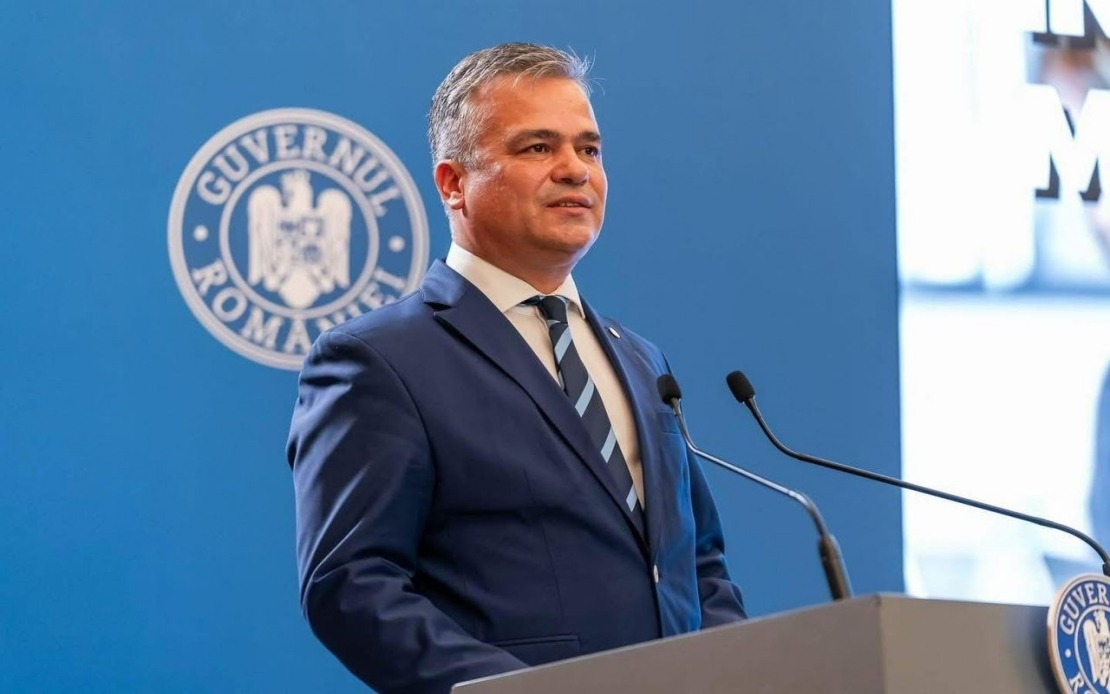
Adrian Vestea, Romania's prime minister-designate, has formally presented his proposed cabinet composition and government programme to the nation's parliament, marking a significant step toward resolving the country's recent political deadlock. The submission comes after weeks of negotiations and represents an attempt to move past the institutional uncertainty that has gripped Romania in recent months. Vestea's presentation outlined his vision for stabilising the government and restoring confidence in state institutions, emphasizing the urgency of establishing a functioning executive to address accumulated policy challenges.
Vestea secured crucial backing from the Social Democratic Party at a party meeting held on Sunday, a development that cleared the pathway for his formal presentation to lawmakers. The endorsement from the SDP provides the new government with a parliamentary foundation necessary to advance the proposed cabinet through the confirmation process, though final approval remains subject to legislative scrutiny. This alliance proves significant given the complex political landscape Romania has navigated in recent months, where coalition-building has required nuanced negotiations across ideological divides.
In explaining his policy direction, Vestea outlined five core priorities that will shape his administration's agenda over the coming term. Political stability forms the cornerstone of his platform, reflecting widespread concern that governmental uncertainty has undermined public confidence in institutions. The second priority centres on accelerating the absorption of European Union funding, a critical objective for Romania given substantial uncommitted grants available through EU regional development and recovery programmes. Such funds represent vital resources for addressing infrastructure deficits and supporting economic modernisation across the country.
Economic stability constitutes the third pillar of Vestea's proposed agenda, addressing concerns about inflationary pressures and fiscal sustainability that have affected household purchasing power and business confidence throughout the region. The administration intends to combine macroeconomic prudence with targeted investments in critical infrastructure projects, which Vestea identified as his fourth priority. These projects are intended to enhance transport connectivity, energy systems, and digital infrastructure, areas where Romania faces significant development gaps compared to Western European standards.
National security and strategic defence initiatives represent the fifth strategic focus, reflecting Romania's geopolitical position as a NATO member bordering Ukraine. This emphasis underscores how regional security dynamics influence domestic policy priorities, particularly concerning military capabilities, cybersecurity resilience, and institutional preparedness for contemporary security threats. The inclusion of this priority signals Vestea's intention to maintain Romania's engagement with Western security frameworks while addressing specific territorial and informational security concerns.
Vestea's position as first vice-chair of the National Liberal Party adds complexity to the government formation process. While the NLP leadership has publicly rejected coalition arrangements with left-wing political forces, Vestea's cabinet proposal incorporates both Social Democratic representatives and NLP members who have chosen to align with his administration. This configuration suggests a pragmatic approach to governance that prioritizes functional coalitions over strict ideological alignment, a common feature of parliamentary systems where no single party commands an outright majority.
The composition of Vestea's proposed ministerial team reflects careful balance between different political constituencies whose cooperation he requires for parliamentary support. The inclusion of Social Democratic ministers alongside NLP representatives creates a cross-party executive that, while potentially vulnerable to internal tensions, provides broader institutional legitimacy and parliamentary backing. Such mixed cabinets can prove effective when underpinned by shared commitments to specific policy objectives, as Vestea's five-point agenda attempts to establish.
Romanian media outlets have reported continued uncertainty regarding whether parliament will formally approve the proposed cabinet composition in its current form. Lawmakers may seek modifications to the minister list, demand clarifications on specific policy positions, or require additional assurances regarding parliamentary representation in cabinet decision-making processes. This ongoing deliberation phase is standard in parliamentary confirmations, allowing elected representatives to scrutinize executive appointments and negotiate portfolio distributions that reflect their parties' priorities.
For regional observers and international partners, Vestea's cabinet presentation carries implications extending beyond Romania's borders. The European Union maintains keen interest in ensuring Romania maintains stable governance capable of managing EU funds effectively, implementing required structural reforms, and maintaining coordination on matters affecting broader European security and economic integration. Similarly, NATO allies monitor Romania's commitment to defence capabilities and strategic alignment, particularly given the country's proximity to ongoing conflicts and security challenges in Eastern Europe.
The timing of this government formation process reflects accumulated pressures on Romania's political system that demanded resolution. Prolonged institutional uncertainty creates governance gaps that impede policy implementation, complicate long-term planning across government agencies, and undermine public confidence in democratic institutions. By presenting a concrete cabinet proposal with identified priorities and cross-party support, Vestea attempts to signal readiness to move beyond transitional arrangements and address substantive policy challenges that have accumulated during the political impasse.
Parliamentary confirmation of Vestea's cabinet will depend on securing sufficient votes from coalition members and potentially attracting support from non-aligned lawmakers whose backing could prove decisive. The formal debate and questioning of proposed ministers will provide an opportunity for lawmakers to examine qualifications, policy positions, and commitments to the government's stated priorities. This scrutiny serves important oversight functions, ensuring public accountability for ministerial appointments and clarifying how the government intends to execute its policy agenda across different portfolios.

