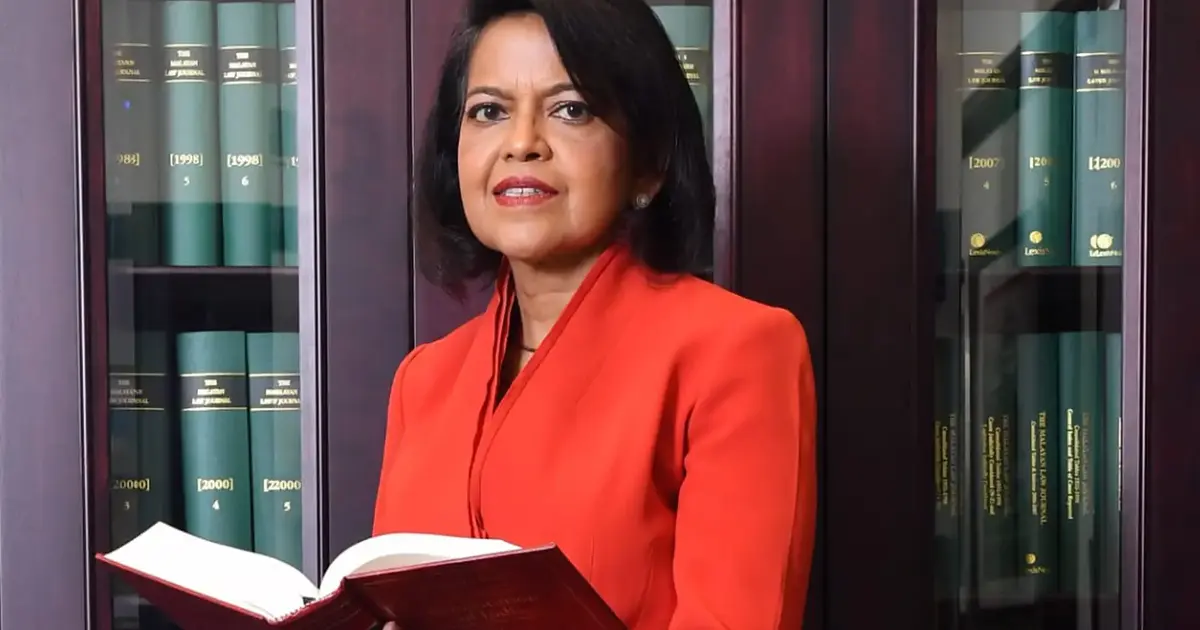
Nallini Pathmanathan, a jurist with extensive experience on Malaysia's highest court, has assumed the chairmanship of the Malaysian Media Council at a time when the country's news industry faces evolving headwinds. The appointment of the retired Federal Court judge marks a significant leadership transition for the self-regulatory body, which oversees standards and practices across the nation's print, broadcast, and digital media landscape.
The Council's announcement underscores the gravity of challenges confronting Malaysia's media ecosystem. From shifting advertising revenue patterns to the proliferation of misinformation and deepening polarization of news consumption, the sector navigates pressures that demand seasoned institutional leadership. Pathmanathan's judicial background positions her to address governance questions with the rigor expected of a body charged with maintaining public confidence in Malaysia's fourth estate.
The timing of her appointment carries particular significance given the current state of Malaysian journalism. The country's news organizations have witnessed significant consolidation and ownership changes in recent years, while newsroom layoffs and budget constraints have depleted reporting capacity. Simultaneously, the rise of social media as a primary news source for younger Malaysians has fragmented the traditional audience upon which legacy publishers depend. These structural shifts demand someone capable of understanding both institutional jurisprudence and the practical realities facing working journalists.
Pathmanathan brings to the role a distinguished career interpreting law and governance. Having served on the Federal Court, Malaysia's apex judicial body, she brings familiarity with constitutional questions related to press freedom, defamation, and the boundaries between public interest and private rights. These jurisprudential foundations prove essential for a media council chairman tasked with balancing industry self-regulation with public accountability and the rule of law.
The Malaysian Media Council operates as an independent body established to maintain professional standards and handle complaints against media organizations. Its role has become increasingly complex as the definition of "media" expands beyond traditional outlets to encompass digital platforms, news aggregators, and content creators. The Council's effectiveness in this environment depends on leadership capable of interpreting principles of responsible journalism across fragmented technological and business models.
Regional context matters considerably for understanding the significance of this appointment. Across Southeast Asia, media councils in countries such as Thailand, Indonesia, and the Philippines have grappled with similar transformation challenges while maintaining credibility with both industry and public stakeholders. Pathmanathan's appointment suggests Malaysia's media self-regulatory framework intends to strengthen institutional independence and public trust through judicial perspective.
The appointment also reflects broader questions about Malaysian journalism's relationship with government and corporate power. A media council chaired by someone from the judiciary rather than journalism, business, or politics sends a signal about the institution's aspirations toward impartiality. However, questions inevitably arise about whether judicial experience translates effectively into understanding editorial pressures, commercial realities, and the daily struggles of newsrooms operating with diminishing resources.
For Malaysian readers and media practitioners alike, the transition warrants close attention. The Council's effectiveness in addressing complaints, maintaining standards, and advocating for press freedom depends significantly on how its leadership navigates the inherent tensions within media self-regulation. A chairman must simultaneously defend journalists' legitimate investigative work while maintaining credibility with the public and other institutions. Pathmanathan's judicial temperament and experience with constitutional principles position her to acknowledge these competing interests, though her track record in media governance remains to be established.
The challenges awaiting the Malaysian Media Council leadership extend beyond traditional journalism ethics. The spread of online misinformation campaigns, the intersection of media ownership and political influence, and the economic viability of quality journalism in an advertising-depleted environment all demand thoughtful institutional responses. A council chairman must engage with technology companies, digital platforms, and online publishers who increasingly shape the information environment, even as traditional regulatory frameworks were designed primarily for conventional broadcasters and newspapers.
Pathmanathan's appointment also invites reflection on what Malaysia's media sector requires from institutional leadership during this transformation period. Beyond complaint handling and standards enforcement, the Council could amplify industry voices advocating for regulatory clarity, investment in digital journalism training, and government policies supporting sustainable news production. Whether the new chairman will position the institution as an active stakeholder in media ecosystem development or maintain a more passive standards-maintenance posture will significantly influence the Council's relevance to the industry it oversees.
The media landscape facing Nallini Pathmanathan differs markedly from that which existed during her judicial career. Her mandate is not merely to interpret existing rules but to articulate how principles of responsible journalism apply to emerging platforms and business models. This requires ongoing engagement with the industry, technological sophistication, and willingness to revisit established positions as circumstances evolve. The Council's credibility ultimately depends on demonstrating that self-regulation remains meaningful and beneficial to both practitioners and the public they serve.