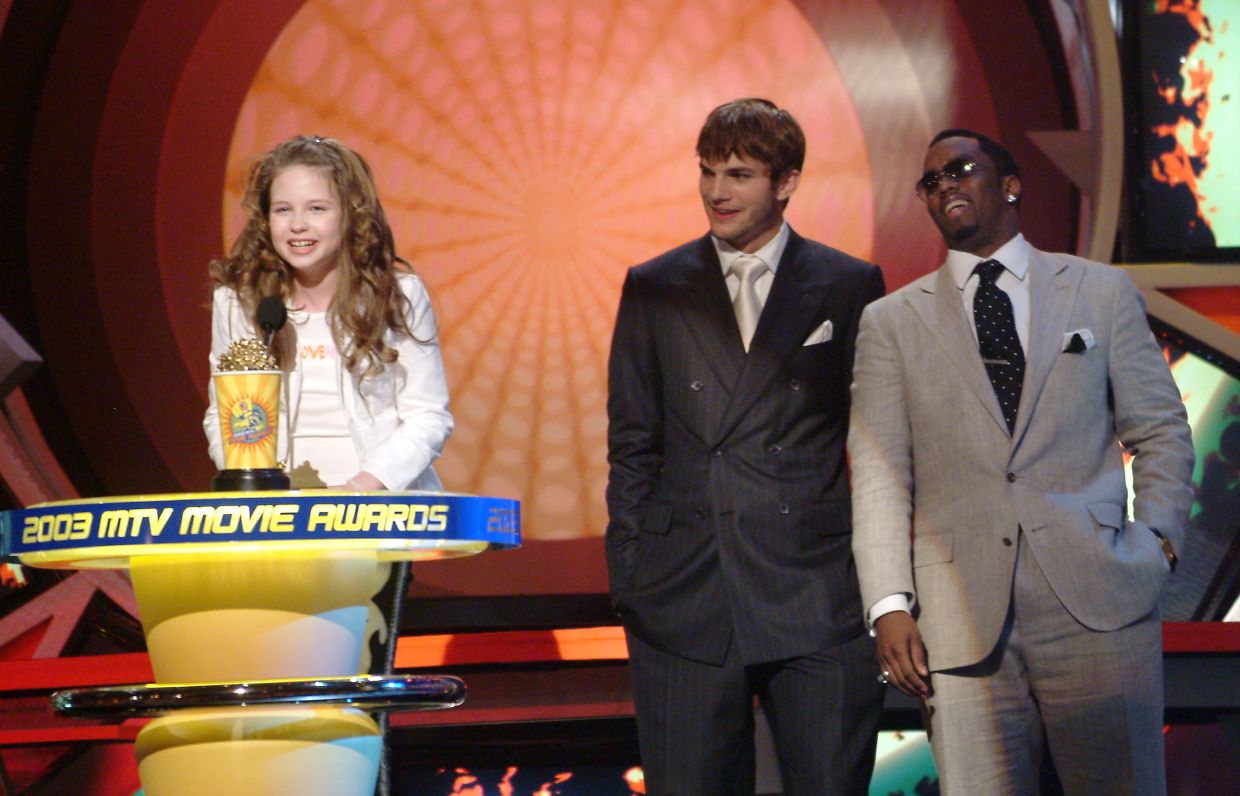
A video clip dating back to 2003 has resurfaced online in recent weeks, capturing music producer Sean "Diddy" Combs approaching a preteen Daveigh Chase at the MTV Awards ceremony to invite her to an after-party. The emergence of this footage has intensified public scrutiny of the disgraced mogul's conduct, coming in the wake of both Chase's untimely death and Combs' high-profile legal downfall. The clip, which shows Combs holding a drink while asking Chase if she planned to attend the after-party event, has taken on new significance given subsequent revelations about the nature of the parties he famously hosted.
Chase, best known for her iconic portrayal of Samara Morgan in "The Ring", passed away on June 16 at a Los Angeles hospital at the age of 35. Her father, John Schwallier, disclosed that she succumbed to complications stemming from bacterial meningitis and a blood infection, compounded by severe malnutrition. In the years leading up to her death, Chase had struggled significantly with substance abuse issues and homelessness, ultimately spending time living on the streets near the medical facility where she died. Her tragic passing highlighted the severe challenges she had faced in the years following her prominent childhood role in the popular horror film.
At the time of the 2003 MTV Awards exchange, Chase was merely 12 years old and had just won the Best Villain award for her haunting performance in "The Ring". The footage shows actor Ashton Kutcher presenting her with the trophy alongside Combs. Following the presentation, Combs approaches Chase with drink in hand and directly asks if she intends to attend the after-party, with Chase responding affirmatively. Combs responds with an enthusiastic "Yeah!" while Kutcher appears to treat the interaction as humorous, according to the circulating clip. The casual nature of this exchange, viewed through the lens of contemporary understanding, has sparked considerable concern among viewers.
Combs' lavish and exclusive social gatherings had long been a hallmark of his public persona throughout the 1990s and 2000s. However, the true character of these events has only recently come to light through legal proceedings. The music entrepreneur was arrested in September 2024 at the Park Hyatt Hotel in Midtown Manhattan, marking the beginning of a dramatic collapse in his career and freedom. Federal agents alleged that his parties, dubbed "freak-off" events, constituted elaborate, multi-day gatherings fueled by drug consumption that involved explicit sexual activities frequently featuring sex workers.
The legal process moved swiftly through the courts in 2024 and into 2025. In July 2025, Combs was found guilty following a federal sex trafficking trial conducted in New York, where he faced charges of transportation to engage in prostitution. The conviction resulted in a substantial prison sentence of 50 months, marking a dramatic reversal of fortune for the once-powerful entertainment industry figure. Combs is currently incarcerated at FCI Fort Dix, a federal correctional facility located in New Jersey, where he is serving his sentence.
The scope of legal jeopardy facing Combs extends far beyond his criminal conviction. He is currently defending himself against more than 100 civil lawsuits filed by various plaintiffs alleging misconduct and abuse. These civil suits compound the reputational and financial damage already inflicted by the criminal conviction. The sheer volume of allegations and legal actions suggests a pattern of conduct that extended across decades and involved numerous individuals claiming victimization.
For Southeast Asian audiences, this case underscores critical issues surrounding celebrity accountability and the protection of minors in entertainment environments. The resurfaced footage serves as a stark reminder of power imbalances that have historically existed within the entertainment industry, where established figures wielded substantial influence over younger participants with limited recourse or protection mechanisms. The fact that such interactions could occur so openly at a major awards ceremony demonstrates the cultural permissiveness that once surrounded such behaviour.
The tragic arc of Daveigh Chase's life adds another poignant dimension to this narrative. Beginning her career with a celebrated role in a major motion picture at a young age, she ultimately faced profound struggles with addiction and homelessness. While not directly causally linked to the Combs encounter, her difficult trajectory reflects broader vulnerabilities that child actors in the entertainment industry have historically faced. The lack of adequate support systems and safeguarding measures for young performers remains a systemic issue requiring continued attention.
The resurfacing of this clip at this particular moment in time appears to represent a form of collective reckoning within popular culture. As more details emerge regarding Combs' conduct and as his legal consequences become concrete realities, public discourse has become increasingly focused on examining his past behaviour and public interactions through a critical lens. This retrospective scrutiny, while potentially uncomfortable, serves important functions in reshaping industry standards and accountability measures.
The case has broader implications for how entertainment industries across the world, including Southeast Asia's growing film and music sectors, establish and enforce protective protocols for younger participants. The prominence of streaming platforms and international entertainment consumption means that predatory behaviour in American entertainment circles has potential ripple effects globally. Industry stakeholders must confront uncomfortable truths about historical permissiveness and implement concrete structural reforms.

