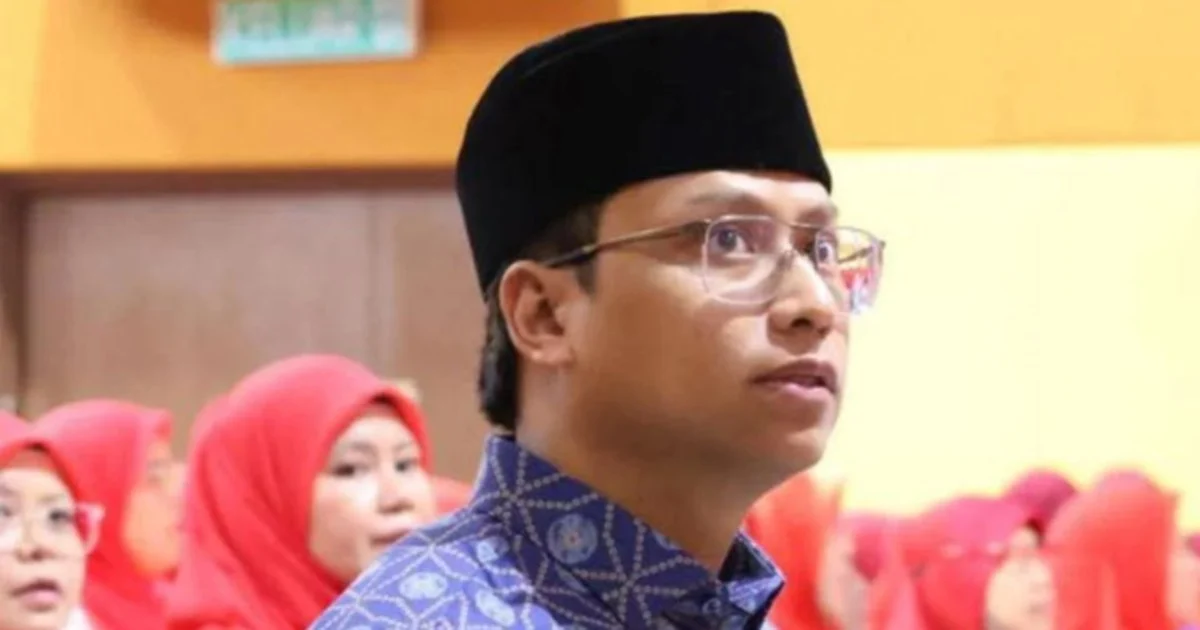
The family of Datuk Dr Mohd Puad Zarkashi, a prominent figure in Umno's leadership circles during his tenure on the party's Supreme Council, has moved to shield the veteran politician from mounting criticism over his recent public statements regarding the party's direction. His son stepped forward to offer a spirited defence of remarks that have stirred considerable debate within the Malaysian political establishment, framing his father's interventions as a sincere effort to secure Umno's institutional survival.
Puad's commentary has evidently touched a nerve within the party apparatus, triggering responses that suggest deeper divisions concerning Umno's strategic positioning in contemporary Malaysian politics. The timing of the son's public defence suggests that the family believes the substance of Puad's observations deserves serious consideration rather than reflexive dismissal. This intergenerational dynamic reflects broader tensions within Umno as the party navigates significant political headwinds following its loss of federal power and its complex relationship with other Barisan Nasional component parties.
The younger Puad framed his father's pronouncements as motivated by genuine concern for Umno's institutional health and electoral prospects. Rather than portraying them as opportunistic criticism or disloyal intervention, the son emphasised that his father's remarks emerged from decades of accumulated experience within the party's upper echelons. This framing carries particular weight given Puad's standing within Umno's hierarchy, suggesting that even senior figures harbour substantive reservations about current party trajectories.
The invocation of historical judgment as the ultimate arbiter of Umno's position represents a notable rhetorical strategy. By appealing to posterity rather than attempting to win immediate acceptance, the son essentially argued that time would vindicate his father's analysis. This approach sidesteps the immediate political controversy whilst simultaneously elevating the discussion beyond daily partisan squabbles to questions of long-term institutional viability and the party's place in Malaysia's political future.
For Malaysian readers, the contours of this internal Umno debate carry substantial implications. Umno remains the dominant component of Barisan Nasional and continues to wield considerable influence over federal policymaking, even in opposition. The party's internal coherence and strategic direction therefore possess knock-on effects for the broader political landscape. Divisions within Umno's senior ranks could presage shifts in coalition dynamics or coalition allegiances that might reshape the competitive environment ahead of future electoral cycles.
Puad's position as a former Supreme Council member lends particular authority to his observations. The Supreme Council represents Umno's highest decision-making body, composed of the party's most influential figures. A critique emanating from this level carries different weight than criticism from lower party echelons. The fact that Puad felt compelled to voice concerns publicly suggests that internal party mechanisms may not have provided adequate channels for airing such grievances, itself a potentially telling commentary on party governance.
The Malaysian political context adds further complexity to this intra-party dispute. Umno operates within a complex web of coalition arrangements, competition from other Malay-majority parties, and evolving voter preferences. The party's ability to adapt to changing political circumstances while maintaining its organisational coherence presents a genuine strategic challenge. Puad's remarks likely address questions surrounding how Umno should position itself within these competing pressures.
The son's defence strategy attempted to elevate the conversation from personalised attacks to questions of institutional importance. By emphasising his father's constructive intent and vast experience, the younger Puad sought to establish that substantive disagreement within a political party need not equate to disloyalty or opportunism. This represents a sophisticated intervention into what might otherwise become a simple exchange of accusations and denials.
Regional observers monitoring Malaysian politics will note the significance of public disagreement among Umno's senior figures. The party's cohesion has historically depended upon maintaining public unity, particularly during periods when it faces external political pressure. The willingness of figures like Puad to voice criticism publicly, and the family's subsequent effort to defend rather than retract those remarks, suggests evolving norms within the party regarding acceptable levels of internal discourse.
The broader question underlying this controversy concerns what directions Umno should pursue to restore its electoral fortunes and political dominance. The party confronts substantive challenges including changing demographic patterns, competition from other Bumiputera-focused parties, and shifting attitudes among younger voters. Whether Puad's critique addresses these fundamental challenges or represents narrower factional positioning remains contested, but the seriousness with which his family has engaged suggests the issues at stake deserve substantive consideration rather than dismissal.
Looking forward, the trajectory of this dispute may indicate broader patterns within Umno's adaptation to its opposition status. The party's capacity to absorb criticism and debate whilst maintaining overall party discipline will influence its ability to formulate effective strategies. The son's defence of his father therefore extends beyond familial loyalty to touch upon fundamental questions of how Umno as an institution processes dissent and adapts to changing political circumstances.
For Malaysian political observers, the Puad affair underscores the continuing complexity of managing large, hierarchical political organisations during periods of electoral challenge. The public nature of this family defence and the substantive issues underlying the original remarks suggest that Malaysian politics continues to generate consequential debates regarding institutional direction and strategic positioning, even when those debates occur within the context of internal party dynamics.

