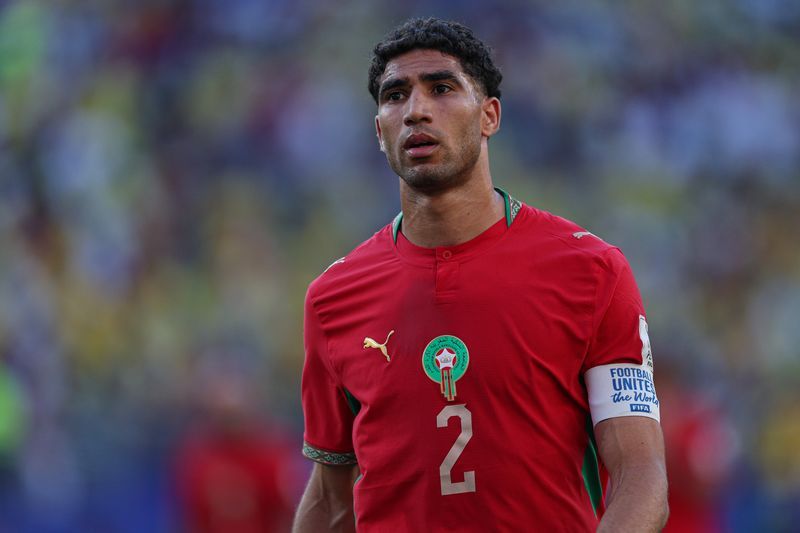
Paris Saint-Germain defender Achraf Hakimi will face trial on a rape charge after losing an appeal against his referral to France's criminal justice system, marking a significant development in a case that has shadowed the Moroccan international's career since allegations emerged last year. The Versailles appeals court rejected Hakimi's attempt to block the prosecution, clearing the way for proceedings to commence at an unspecified future date.
Hakimi, who featured for Morocco during the World Cup campaign that included a match against Brazil, announced the court's decision through a social media statement, signalling his willingness to participate in the legal process. The 25-year-old right-back emphasised his eagerness to present his account before the court, characterising the proceedings as an opportunity to restore his narrative after what he depicted as a period of public scrutiny.
The footballer's statement conveyed frustration at the allegations, describing himself as having become "an easy target" while his family and personal reputation suffered collateral damage. His declaration that he has "been waiting for this trial since day one" underscores the extended period during which the accusation has hung over his professional and personal standing. The Morocco defender framed the upcoming trial as a chance to finally set the record straight regarding the allegations against him.
The origins of the case trace to 2023, when the Nanterre prosecutor's office initiated an investigation following a rape allegation directed at the PSG player. The chronology of events demonstrates the lengthy delays typical of French criminal proceedings, where the transition from investigation through appeals to trial can span extended periods. Hakimi's legal strategy initially involved contesting his referral to criminal court, a tactical move common in the French justice system where defendants can challenge whether evidence warrants full trial proceedings.
For Moroccan and Southeast Asian football supporters, Hakimi's situation carries particular resonance given his prominence in international competition and at one of Europe's elite clubs. The defender's participation in Morocco's World Cup campaign provided a global platform that simultaneously amplified media attention surrounding the allegations. His international status means the trial outcome will be scrutinised across continents, potentially impacting his professional prospects regardless of the legal verdict.
The French legal system's handling of the case reflects procedural protections built into European justice frameworks, where appellate courts review prosecutorial decisions before cases proceed to full trial. Hakimi's unsuccessful appeal means magistrates determined sufficient evidence existed to warrant criminal court examination of the allegations. The precise timing of trial proceedings remains uncertain, though the court's rejection of the appeal represents a pivotal juncture in the matter's trajectory.
Neither the Versailles appeals court nor Hakimi's legal representatives provided immediate elaboration on the decision or forthcoming procedural steps. This judicial restraint, common in European proceedings, contrasts with the vigorous public discourse surrounding the case. The absence of detailed comment from official sources may reflect French legal conventions limiting pre-trial publicity, particularly when serious criminal charges are involved.
Hakimi's professional situation at PSG remains complex given the unresolved allegations. The club, one of world football's wealthiest organisations, will navigate considerable reputational considerations alongside the player's contractual obligations and career continuity. His continued selection for Morocco's national squad suggests the football federation maintains confidence in his ability to perform, though selection decisions may become increasingly complicated as trial proceedings advance.
The case exemplifies broader challenges affecting professional athletes facing serious criminal allegations. The intersection of sporting careers, legal proceedings, and intense media coverage creates unprecedented pressures on individuals navigating court systems while maintaining elite-level athletic performance. For Malaysian football enthusiasts and sports administrators, Hakimi's situation underscores the imperative for organisational clarity regarding player conduct policies and support mechanisms when serious allegations emerge.
As proceedings move toward trial, the outcome will carry implications extending beyond individual justice considerations. The case will influence broader discussions within European football regarding accountability, due process, and the protection of both complainants and accused parties. For the regional football community, observing how elite European clubs and federations manage such situations provides instructive examples relevant to local governance frameworks and institutional responses to misconduct allegations.

