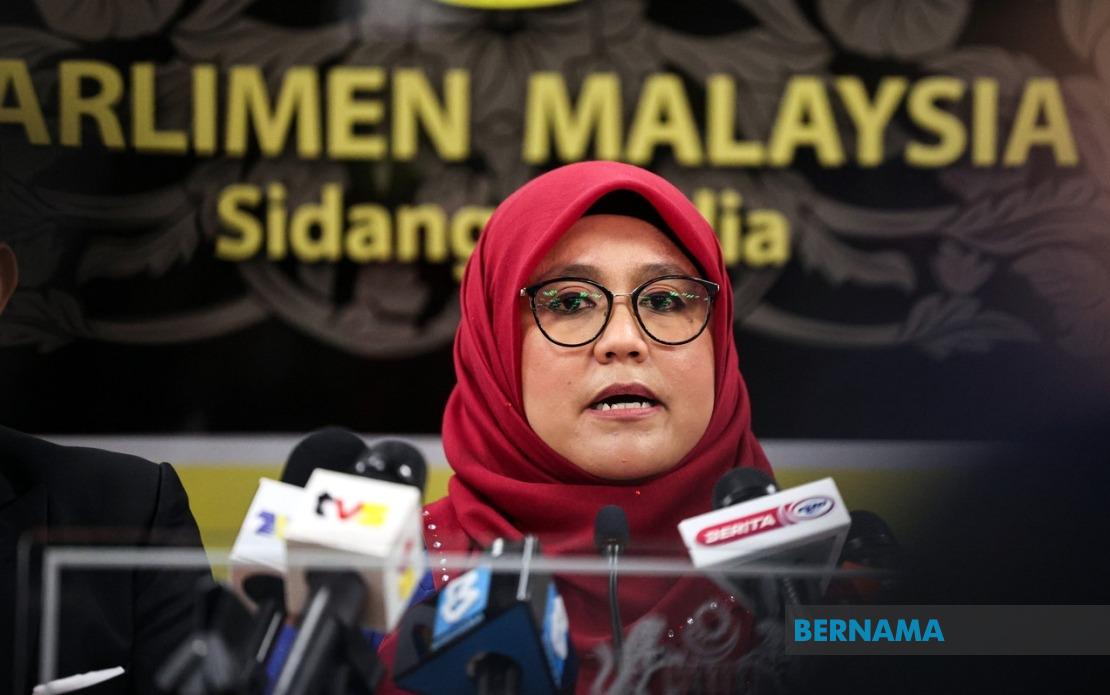
The Public Accounts Committee (PAC) has delivered a scathing assessment of the private healthcare sector, concluding that spiralling health insurance premiums are fundamentally rooted in uncontrolled charges imposed by private hospitals rather than professional fees charged by medical practitioners. According to PAC chairman Datuk Mas Ermieyati Samsudin, whose findings were presented to parliament by Kapar MP Dr Halimah Ali, the cost explosion stems from categories of charges that operate entirely outside the regulatory framework that has governed doctors' professional fees since 2013.
The committee's investigation revealed that private hospitals levy charges across numerous unregulated domains, creating a system where transparency is virtually nonexistent and pricing mechanisms lack any standardised approach. These charges encompass the supply of medical equipment and materials, pharmaceutical products, diagnostic and laboratory testing services, as well as newer medical technologies and treatment protocols. Beyond these direct medical items, hospitals also bundle in mounting operational expenditures—labour costs, utility bills, technology infrastructure, and expenses related to litigation and defensive medical practices—all absorbed into inflated service charges that patients ultimately encounter through their insurance premiums.
A particularly troubling pattern emerged from the PAC's examination: the deliberate unbundling of services that should logically be incorporated into standard room charges or basic care packages. Hospitals were found separately charging patients for clinical waste disposal, pillowcases, and alcohol swabs—items that represent essential components of ordinary hospital operations rather than discretionary services. This practice effectively fragments billing in ways that obscure the true cost structure and make legitimate comparison between institutions nearly impossible. The committee also documented instances where hospitals employ price discrimination, systematically charging patients who present guarantee letters at substantially higher rates than those paying directly out-of-pocket or through conventional claim mechanisms, creating a two-tiered pricing system that penalises insurance holders.
The pharmaceutical supply chain emerged as another critical area of concern, with the PAC identifying significant markup escalations at multiple distribution stages. Most alarming was the discovery that generic medications are occasionally priced higher than their branded, innovator-developed counterparts—a reversal that defies conventional market logic. This distortion is amplified by structural market failures: more than 1,500 medicines sold in Malaysia have only a single registered manufacturer, effectively creating monopolistic conditions that permit pricing without competitive constraint. This situation leaves patients and insurers vulnerable to whatever prices manufacturers and suppliers determine, with no alternative options available.
The absence of standardised billing structures across private hospitals compounds these challenges by rendering cost transparency nearly impossible. Institutions apply their own pricing methodologies, making it extremely difficult for patients, employers, or insurance companies to understand what they are actually paying for or whether charges represent fair value. The PAC noted that high medicine prices frequently subsidise operating costs that hospitals deliberately do not itemise separately—such as nursing labour and facility utilities—effectively bundling operational expenses into medication costs. This obscures the true financial picture and prevents meaningful accountability for how funds flow through the healthcare system.
To address these systemic deficiencies, the PAC has submitted 17 comprehensive recommendations to government. A cornerstone proposal involves accelerating adoption of the Diagnosis-Related Group (DRG) payment system, which would establish standardised fees based on medical conditions rather than allowing hospitals to charge arbitrarily. The committee also recommended amending the Private Healthcare Facilities and Services Act 1998 to explicitly empower the Ministry of Health to regulate private hospital charges beyond the currently controlled professional fees. This legislative change would extend regulatory authority to encompass the non-professional charges that have become the primary driver of cost inflation.
The PAC specifically urged the Ministry of Health and the Ministry of Domestic Trade and Cost of Living to establish formal mechanisms for regulating pharmaceutical and medical equipment prices. The committee proposed exploring direct procurement arrangements between government and manufacturers—particularly domestically-based producers—to circumvent intermediary suppliers and reduce exposure to cartels or monopolistic pricing arrangements. These steps reflect recognition that individual hospital-level regulation, while necessary, would prove insufficient without addressing the upstream pharmaceutical supply chain where much of the cost inflation originates.
Parliamentary response to the PAC findings was notably robust, with 12 Members of Parliament from both government and opposition parties contributing to debate on the report. Legislators unanimously called for strengthened regulation of private hospital charges and medicine prices, improved transparency within the insurance industry, and expedited implementation of the DRG system. They additionally advocated for greater investment flows into the public healthcare sector to provide viable alternatives to expensive private facilities, and urged increased taxation on private hospitals that generate substantial revenues from medical tourism—effectively asking profitable operators to contribute more substantially to the healthcare ecosystem they benefit from.
MPs also proposed a freeze on fee increases at university teaching hospitals until sufficiently viable alternatives exist, preventing these anchor institutions from raising costs while patients have limited options. Bank Negara Malaysia, the central bank, was specifically called upon to strengthen coordination with health ministry officials and other relevant stakeholders to address medical cost inflation, suggesting that monetary policy and financial regulation frameworks must align with health sector objectives. The proposal implicitly acknowledges that healthcare cost inflation represents not merely a sectoral problem but a macroeconomic concern affecting currency stability and financial system health.
For Malaysian patients and employers, these findings carry substantial implications. The average Malaysian family relying on health insurance now confronts premiums that reflect not legitimate medical innovation or practitioner expertise, but rather uncontrolled operational cost escalation and structural market failures in the pharmaceutical supply chain. The two-tiered pricing system documented by the PAC means that those holding guarantee letters—typically higher-income earners—effectively subsidise hospital operations, raising questions about equity in healthcare access. Smaller employers and self-employed individuals may find coverage increasingly unaffordable as insurers pass through these inflated hospital charges.
The Southeast Asian context adds another dimension. Malaysia's experience mirrors challenges across the region where private healthcare sectors have expanded rapidly ahead of regulatory frameworks. The PAC report provides a template for other governments examining similar cost inflation problems. Countries like Singapore and Thailand have invested heavily in transparency mechanisms and DRG systems precisely to prevent the billing opacity that has become entrenched in Malaysian private hospitals. The question now is whether Malaysia's political system can translate PAC findings and parliamentary consensus into actual legislative and regulatory reform, or whether vested interests within the private healthcare and pharmaceutical sectors will resist implementation of meaningful controls.

