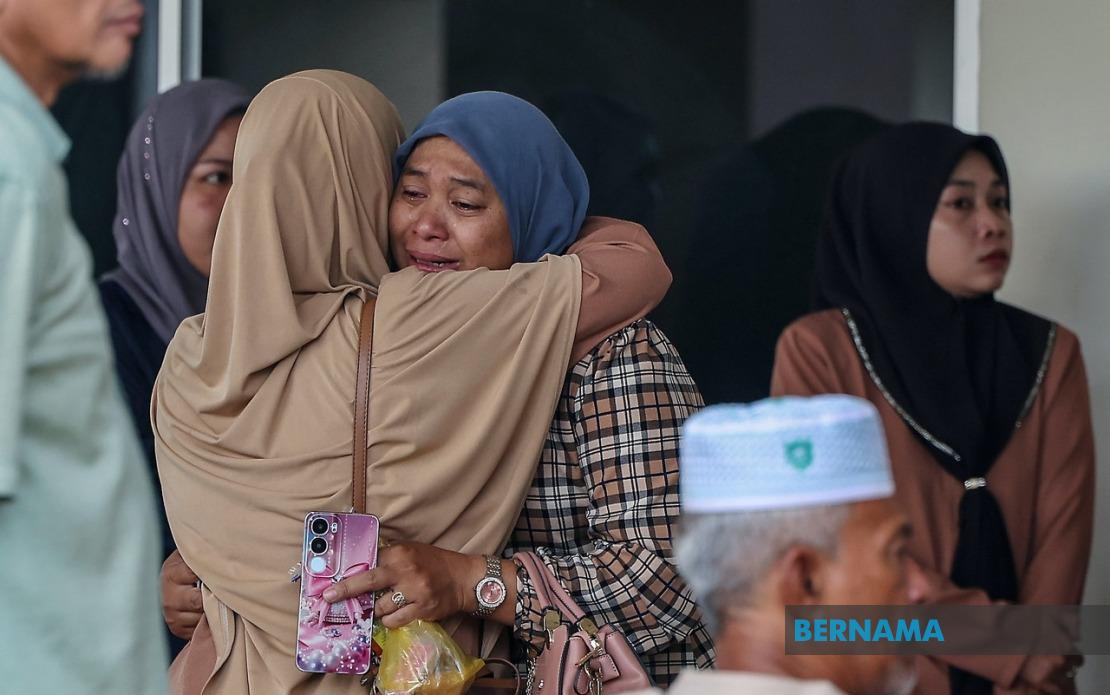
The post-mortem examination of Corporal Norazmi Abu Bakar, a member of the 6th Battalion of the Royal Malay Regiment, will take place this evening at the Forensic Department of Sultanah Bahiyah Hospital in Alor Setar. The soldier died during a training exercise at Hobart Camp in Gurun that went tragically wrong when a grenade detonated unexpectedly during a throwing drill.
Corporal Norazmi's cousin, Sulaiman Mat Saad, 40, confirmed the timeline to reporters outside the hospital's forensic facility. According to Sulaiman, the examination will proceed once the formal identification process has been completed. The family has already made arrangements for what comes after, with clear plans in place for the soldier's final rites in accordance with Muslim tradition.
Following the post-mortem procedures, Corporal Norazmi's body will be transported to Masjid Al Busyra in Merbok, located in the Sungai Petani area of Kedah state. The mosque has been designated as the venue for funeral prayers, and the soldier will be laid to rest in the cemetery adjacent to the place of worship. The arrangements reflect the respect afforded to military personnel who fall during service to the nation.
The fatal incident occurred during the morning hours of a combat enhancement training exercise conducted by the Royal Engineers Regiment. At approximately 10:57 am, the grenade detonated unexpectedly while soldiers were participating in the throwing component of their training programme at Hobart Camp. The explosion proved immediately catastrophic for those in the immediate vicinity.
A second soldier also lost her life in the same incident. Private Siti Khadijah Sungip, serving with the First Squadron of the Royal Engineers Regiment, was similarly killed in the explosion. Her body is expected to be transported to her home state of Johor for funeral arrangements according to her family's wishes and cultural practices. The military has made provisions to facilitate the transfer of her remains.
The Malaysian Army released an official statement confirming the deadly nature of the training accident. Both soldiers were initially rushed to Sultan Abdul Halim Hospital in Sungai Petani but were pronounced dead upon arrival, indicating the severity of their injuries from the blast. The rapid response by medical personnel and military personnel present at the scene could not prevent the tragic outcome.
Following initial medical assessment, both bodies were transferred to Sultanah Bahiyah Hospital where forensic specialists have taken custody for the required post-mortem procedures. These examinations are standard protocol in cases of death resulting from accidents and serve multiple purposes, including establishing the precise cause of death and providing documentation for military records and insurance purposes.
The incident has raised questions about training safety protocols in the military. Grenade-throwing exercises are fundamental components of combat training for armed forces worldwide, but they carry inherent risks when proper safety procedures are not meticulously followed. The circumstances surrounding the detonation will likely form part of a comprehensive military investigation into the incident, examining whether all established safety measures were in place and properly executed.
For Malaysian military personnel and their families, such tragedies underscore the very real dangers that service members face even during routine training operations. These incidents, while relatively uncommon given the volume of training exercises conducted annually, serve as sobering reminders of the occupational hazards inherent in military service. The loss of two young soldiers represents a significant blow to their respective units and to the broader military community.
The Royal Malay Regiment and the Royal Engineers Regiment will likely conduct comprehensive reviews of their training procedures to identify any gaps in safety protocols. Military authorities will need to balance the operational necessity of realistic, challenging training with the paramount concern for personnel safety. The findings from the investigation into this incident may influence how grenade-throwing and other high-risk training exercises are conducted across the Malaysian Armed Forces moving forward.
Beyond the immediate tragedy, these deaths will have rippling consequences for the families left behind. Both soldiers were young professionals dedicated to serving their country, and their loss represents not only a personal tragedy for their loved ones but also a loss to the institutions they served. The military community typically rallies around the families of fallen personnel, providing support and recognition of their sacrifice.