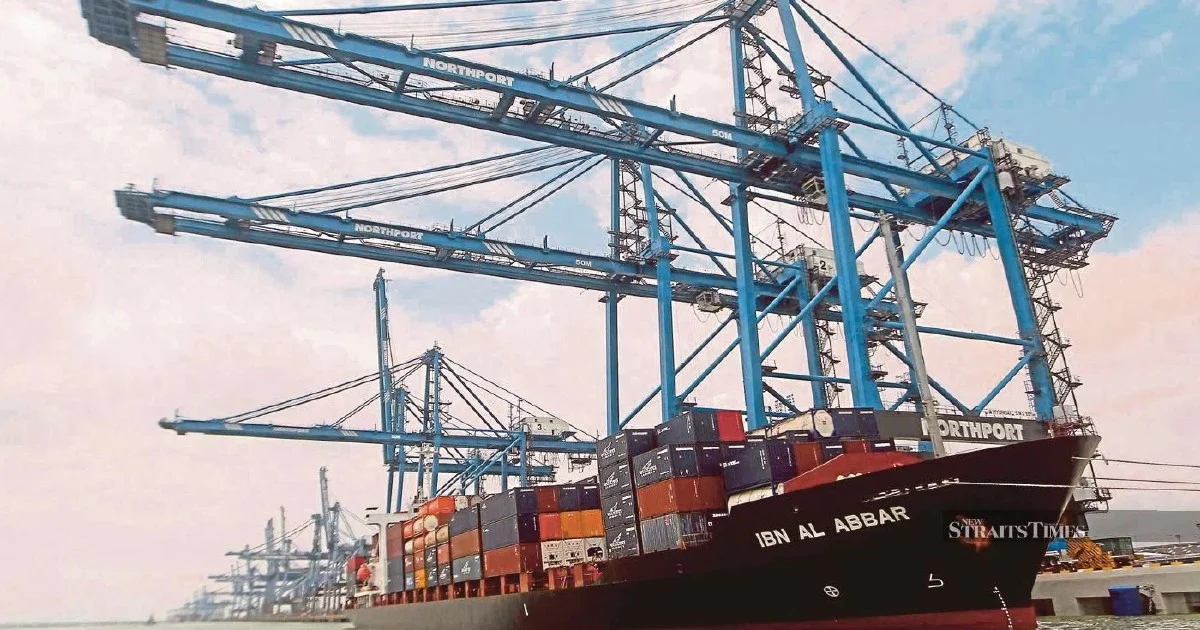
Transport Minister Anthony Loke has signalled that Malaysia's ambitious Port Klang 3 development remains firmly in the pipeline, with the possibility of breaking ground before the calendar year ends if outstanding land matters can be swiftly resolved with the Selangor state government. Speaking in Port Klang, Loke indicated the project has not lost momentum despite the regulatory and administrative hurdles that have characterised its progress to date.
The Port Klang 3 initiative represents a significant expansion of Malaysia's premier maritime gateway, located on the Strait of Malacca. This facility is designed to substantially increase container handling capacity and modernise the nation's port infrastructure to accommodate the rising volumes of international trade flowing through Southeast Asia. As a critical node in global shipping networks, the enhancement of Port Klang's facilities carries implications that extend well beyond Malaysia's borders, affecting supply chains, logistics costs, and competitive positioning across the region.
The land acquisition complexities that have emerged are not unusual in large infrastructure projects involving multiple government jurisdictions. In Malaysia's federal system, while ports are generally a federal matter, the underlying real estate assets may involve state-level considerations, especially when current usage or ownership patterns create complications. The Selangor government's involvement in resolving these matters underscores the necessity of coordinated governance between federal and state authorities when implementing megaprojects of national significance.
Loke's statement reflects optimism tempered by realism about the procedural steps still required. The conditional language around the construction timeline—that it could begin "pending the resolution" of land issues—suggests that while negotiations are active, definitive agreements have not yet been finalised. This is a common feature of major port developments, which often require environmental assessments, master planning refinements, and finalisation of property arrangements before actual construction mobilisation can commence.
The strategic importance of Port Klang 3 extends to Malaysia's broader economic agenda. As a major crude oil and petrochemical exporter, as well as an electronics and semiconductors hub, Malaysia benefits significantly from reliable, efficient maritime infrastructure. Delays or complications in port expansion can create bottlenecks that inflate logistics costs for manufacturers, potentially affecting their global competitiveness. For shippers and importers throughout the region, including those in Singapore, Thailand, Vietnam, and beyond, the timeliness of such infrastructure matters considerably.
Port development timelines in the region have become increasingly competitive. Singapore continues to enhance its port capabilities, while other Southeast Asian states are investing heavily in their maritime infrastructure. Within this context, Malaysia's ability to deliver Port Klang 3 on schedule becomes strategically significant. The port handles a substantial portion of the region's containerised cargo, and modern, efficient operations are essential for maintaining that market position.
The investment requirements for Port Klang 3 are substantial, likely involving commitments from both government sources and private sector partners. Clarity on land availability and property arrangements is fundamental to securing financing and attracting the operational partners necessary to bring the project to completion. Delays in resolving these foundational matters can cascade through the project timeline, affecting employment generation, supply chain development, and anticipated economic returns.
Loke's remarks also implicitly acknowledge the governance dynamics involved in navigating federal-state relations in Malaysia's constitutional framework. Successfully coordinating between federal port authorities and the Selangor state government reflects the collaborative approach necessary for such complex undertakings. The resolution of land issues will likely involve negotiations around compensation, usage rights, and integration with existing state development plans.
For Malaysian businesses reliant on port services—from petrochemical producers to container freight operators to exporters of manufactured goods—the Port Klang 3 development carries tangible implications for operational efficiency and cost structures. Expanded capacity can contribute to competitive pricing and reduced waiting times, while modern facilities support higher-value specialised services such as integrated logistics hubs and cold chain operations. Regional supply chains routing through Malaysian ports would also benefit from the enhanced capacity and reliability that a third terminal would provide.
The timing of Loke's announcement, while encouraging, underscores that this project remains subject to administrative processes that lie outside the ministry's direct control. The dance between federal and state governments, while necessary for good governance, inevitably adds layers to project scheduling. Nevertheless, the Transport Minister's public commitment to this timetable reflects political will at the highest level to see the project advance. The coming months will be critical in determining whether the land matters can be resolved with the speed Loke's statement implies.
For stakeholders across Malaysia's maritime and logistics sectors, Port Klang 3 represents both an opportunity and an implicit promise of improved infrastructure. The project's eventual realisation could meaningfully alter the competitive landscape for container shipping in the region and reinforce Malaysia's position as a maritime hub. Until the land issues are definitively settled, however, stakeholders should view the current timeline as aspirational rather than assured, based on the typical pace of such negotiations and the complexities inherent in resolving property matters across government jurisdictions.

