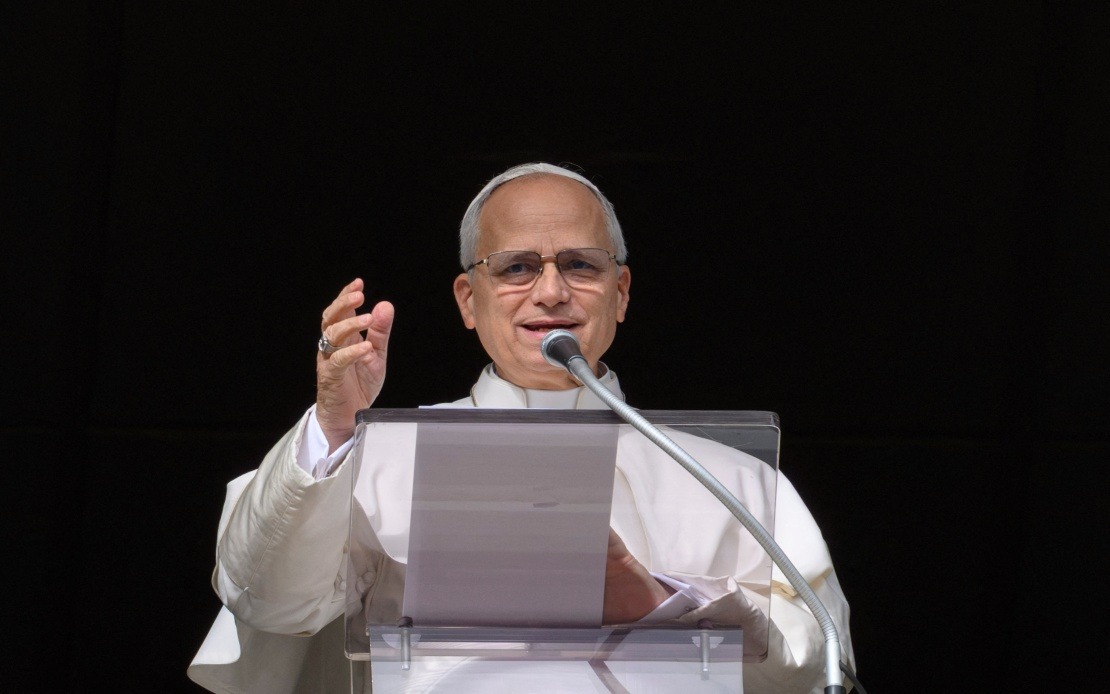
Pope Leo XIV has issued a significant cautionary message about the dangers of viewing artificial intelligence as a neutral technology, arguing instead that AI systems inevitably carry embedded moral and philosophical dimensions that reflect the values of their creators. Speaking through a social media post on the platform X, the pontiff challenged a widespread assumption in technology circles that AI development can proceed without explicit ethical considerations, contending that such a stance overlooks the fundamental reality of how these systems are constructed and deployed.
At the heart of the Pope's intervention lies a crucial distinction often overlooked in technical discussions: the difference between creating neutral tools and creating systems that inherently encode particular worldviews. He emphasized that every artificial intelligence framework—from the data it is trained on to the algorithmic weights that guide its decision-making—contains implicit choices about what matters, whose interests are prioritised, and what constitutes desirable outcomes. These embedded preferences are not accidental byproducts but rather fundamental features that shape how the technology will affect individuals and societies.
The pontiff's position carries particular resonance for Southeast Asian nations grappling with rapid AI adoption without fully developed regulatory frameworks. Malaysia, like many developing economies, faces pressure to integrate AI into governance, healthcare, and commerce, often adopting technologies designed primarily in Western contexts where different cultural values and social priorities predominate. The Pope's warning suggests that simply importing AI systems without examining the underlying moral assumptions risks embedding foreign value systems into critical decision-making infrastructure.
Central to the papal message is the assertion that ethical analysis of artificial intelligence must penetrate far deeper than surface-level considerations of how these tools are ultimately used. Instead, meaningful ethical scrutiny requires examining the foundational components: the datasets selected for training, the quality and representativeness of that data, the specific metrics chosen to measure success, and the broader conception of human dignity embedded in the models themselves. This framework-level analysis is frequently absent from public conversations that focus narrowly on preventing misuse while ignoring how bias might be systematized at the architectural stage.
The Pope further emphasized that responsibility cannot be diffused across the entire AI ecosystem but rather must be clearly assigned, understood, and enforced at each critical juncture. This spans from the engineers and researchers who design fundamental architectures, through the organisations that implement these systems in real-world contexts, to the decision-makers who rely on AI outputs to determine consequential outcomes affecting citizens. For developing nations like Malaysia, this principle implies that importing AI solutions requires establishing domestic oversight mechanisms that can trace responsibility backwards to original designers and forward to local implementers.
Another essential element of the pontiff's intervention concerns accountability mechanisms. He stressed the necessity of identifying not merely who bears responsibility for AI decisions, but also who possesses the authority and capacity to justify those decisions when questioned, monitor their implementation over time, and critically challenge AI recommendations when they conflict with human values or produce harmful outcomes. Without such structures, AI systems risk becoming opaque decision-making machines whose outputs are accepted uncritically despite their profound impact on human lives.
The implications for Malaysia are particularly significant given the nation's aspirations toward digital governance and digital economy development. As government agencies increasingly consider deploying AI for services ranging from immigration processing to social welfare distribution to urban planning, the Pope's framework suggests that technical sophistication alone is insufficient. Instead, these implementations require simultaneous development of ethical governance structures, transparency mechanisms, and accountability pathways that Malaysians can understand and engage with.
The Vatican's intervention also reflects growing global recognition that AI governance cannot be left entirely to market forces or technical communities. Religious and philosophical institutions are increasingly asserting that these decisions have moral dimensions requiring input from ethics, theology, and broader civil society perspectives. For a multi-religious nation like Malaysia, this opens space for Islamic scholars, Buddhist teachers, Hindu philosophers, and other voices to contribute to developing authentic frameworks for responsible AI development rooted in Southeast Asian values rather than exclusively in Western secular or Northern technological paradigms.
Implementing the Pope's principles in practice requires investment in AI literacy among policymakers, the development of impact assessment frameworks that examine datasets and algorithmic design before deployment, and the creation of oversight bodies with genuine authority to slow or halt problematic implementations. This represents a significant departure from the move-fast-and-iterate philosophy dominating technology industries, but the Pope's argument is that the cost of embedding moral mistakes into AI systems that may influence millions of citizens justifies more deliberate approaches.
For Malaysian regulators and technology leaders, the papal intervention provides legitimacy for adopting more cautious approaches to AI deployment than might otherwise be politically comfortable. Rather than viewing slower adoption as a competitive disadvantage, this framework suggests that carefully considered, ethically grounded AI integration may ultimately prove more sustainable and socially beneficial than rapid deployment of systems whose embedded values were never transparently examined or debated within local contexts.

