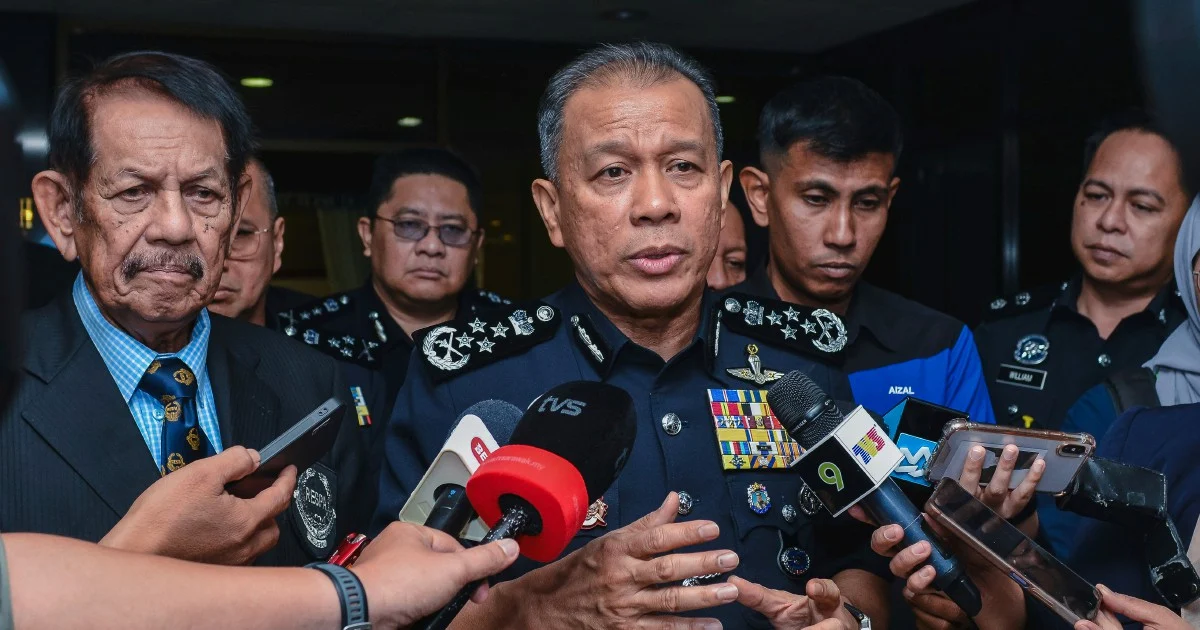
The Royal Malaysian Police has opened a formal disciplinary investigation into a member of the force following the emergence of a viral video involving incidents that occurred while the officer was in China. The move came after the Inspector-General of Police made the disclosure, signalling the force's commitment to addressing the matter with appropriate rigour and adherence to established procedures.
The officer at the centre of the controversy became the subject of widespread social media attention after footage circulated online showing what witnesses characterised as disrespectful conduct toward local residents during travel within China. The exact nature and context of the allegations remain subjects of ongoing review, but the incident has drawn considerable public scrutiny given the officer's official position and the international setting in which it allegedly occurred.
This investigation represents part of a broader pattern whereby Malaysian police has become increasingly attentive to the conduct of its personnel on and off duty, recognising that behaviour by members can have ramifications for institutional reputation and public confidence. The decision to pursue formal disciplinary measures signals that the force takes such matters seriously, particularly when incidents gain traction in the digital sphere and potentially damage Malaysia's standing abroad.
The investigative process will likely examine the circumstances under which the video was recorded, the authenticity of the allegations contained within it, and whether the officer's conduct violated any internal codes of ethics or conduct standards. Disciplinary investigations within the force typically follow established procedures that grant the accused member opportunities to respond to allegations and present their perspective before any determinations are made.
Viral incidents involving public officials have become increasingly common in the age of social media, creating new challenges for institutional management and reputation control. The speed at which such content spreads across platforms means that by the time authorities become aware of incidents, substantial public opinion has often already formed, complicating efforts to address matters with measured deliberation.
For Malaysian observers and international stakeholders, the police's response demonstrates institutional willingness to hold members accountable for behaviour that falls below expected standards. However, the investigation will need to distinguish between substantiated misconduct and potential misrepresentations or context-dependent interpretations that may be distorted through social media dissemination.
The incident also highlights the evolving nature of police work in a globalised environment. Increasingly, Malaysian officers participate in official exchanges, training programmes, and international assignments that require them to maintain professional standards while abroad. Any lapse in conduct carries not only personal consequences but also reflects on Malaysia's institutions and international relations.
The disciplinary process will determine what specific actions, if any, occurred and whether they warrant corrective measures ranging from counselling and retraining to more serious consequences depending on the severity and nature of substantiated violations. The force's handling of this matter will likely serve as a reference point for how it manages future incidents of this nature.
Public trust in law enforcement depends significantly on confidence that officers will be held accountable when they deviate from professional standards. By initiating this investigation promptly and transparently, the police force demonstrates that no member is above scrutiny, regardless of rank or the location where alleged misconduct took place.
The outcome of this investigation may also have implications for how the Royal Malaysian Police structures its oversight mechanisms and prepares officers for international assignments. Training programmes that emphasise cultural sensitivity and professional conduct abroad may become increasingly important as more officers engage in cross-border activities.
As the investigation proceeds, observers will be watching to see how thoroughly the police examines the evidence, whether the process allows for fair examination of the officer's account, and ultimately what conclusions are reached regarding the officer's fitness for continued service. The handling of this case could influence public and international perception of the force's commitment to professional standards and accountability.

