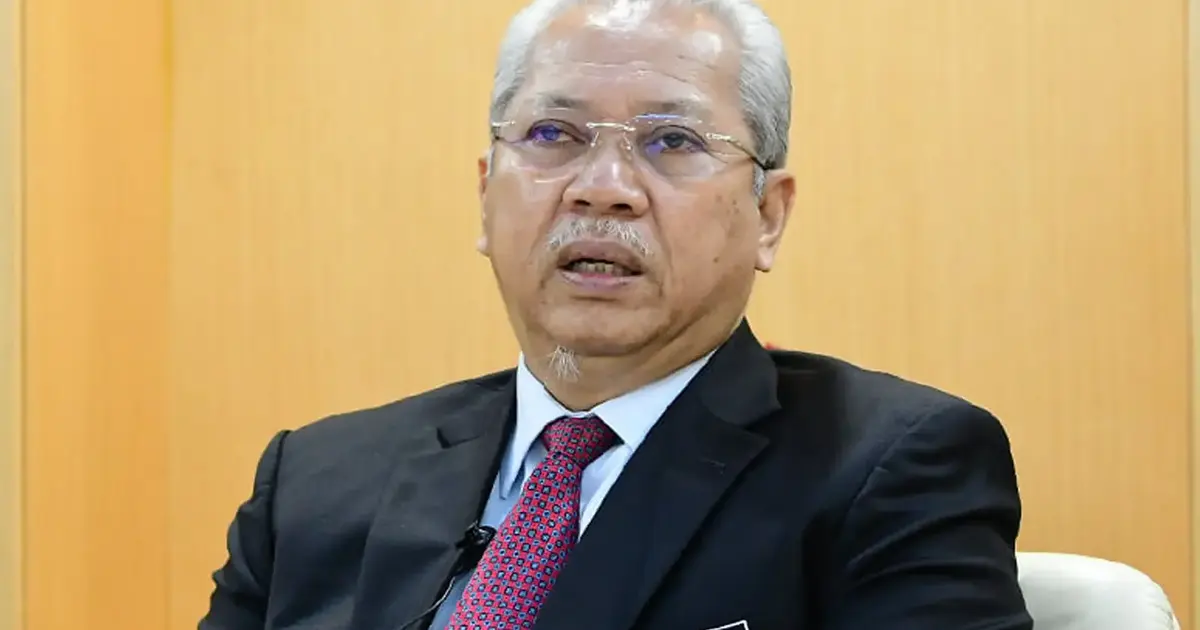
Perikatan Nasional is preparing to settle a cluster of internal disputes that have shadowed the coalition's preparations for upcoming state elections, with coalition leaders set to convene for a critical Supreme Council session on Monday to iron out critical procedural and strategic matters. Information chief Annuar Musa has indicated that unresolved questions surrounding Bersatu's continued standing within the broader PN framework, alongside contested rights to deploy the coalition's electoral logo, cannot move forward outside the formal sanctioning of the supreme leadership council, underscoring the gravity of the outstanding issues.
The timing of the Supreme Council meeting carries particular significance given the electoral calendar. Both Johor and Negeri Sembilan are preparing to conduct state-level polls, contests that will require coordinated campaign machinery and unified branding if PN intends to present a consolidated front to voters. The consolidation of seat allocations between the component parties—a process that typically triggers robust internal negotiations—has apparently stalled pending resolution of the more foundational questions about party membership and symbolic representation within the alliance.
Bersatu's position within PN has undergone considerable turbulence in recent years, with periodic tensions over strategic direction and resource distribution. The question of whether the party maintains full standing as a coalition member carries implications beyond mere nomenclature; it speaks to voting rights within the Supreme Council, representation in election planning committees, and the distribution of winnable parliamentary and state seats. Such structural questions form the bedrock upon which seat-sharing agreements are built, explaining why resolving Bersatu's status must logically precede any final determination on candidate placement across the two states.
The logo dispute operates on a different register but carries equal practical weight. The Perikatan Nasional logo serves as the visual identity through which coalition candidates present themselves to voters, bundling the electoral appeal of multiple parties into a single recognisable symbol. Which parties may use this logo, under what conditions, and whether all parties enjoy equal rights to its deployment affects campaign messaging and candidate visibility. For a coalition spanning multiple political organizations with distinct power bases and supporter communities, logo usage rules become a mechanism through which bargaining power translates into electoral advantage.
The Johor elections represent a particularly high-stakes contest for PN, given the state's significance within Malaysian politics and its substantial voter population. Negeri Sembilan, while smaller, nonetheless offers meaningful opportunities for coalition expansion and consolidation. Both contests unfold against a backdrop of intense inter-coalition rivalry, with other political groupings actively competing for the same voter constituencies. Any delay in finalizing PN's internal arrangements creates tactical openings for opposing coalitions to mobilize, conduct voter outreach, and establish their own campaign momentum unopposed.
Annuar Musa's explicit designation of the Supreme Council as the sole forum competent to resolve these matters suggests that previous attempts at bilateral negotiations or smaller working group discussions have reached impasse. The Supreme Council, composed of senior representatives from each coalition member, carries both the legitimacy and the enforcement authority necessary to render binding decisions that all component parties have contractually committed to accepting. Escalating the matter to this level signals that the leadership recognizes the intransigence of the underlying disputes and requires the full weight of the council's authority.
For Malaysian political observers, the internal mechanics of coalition management often generate as much public scrutiny as the coalitions' external positioning against rival groupings. Voters drawing conclusions about a coalition's viability as a governing alternative often take organizational coherence as an important signal. Protracted disputes over fundamental issues like party membership status or equitable logo usage can undermine public confidence in coalition stability, a consideration that likely weighs on PN leadership minds as they prepare for electoral contests.
The resolution process will require delicate balancing. Bersatu holds sufficient electoral weight within PN that any resolution perceived as diminishing its status risks triggering resentment and potential defections. Conversely, the other coalition components will resist arrangements they regard as disproportionately advantageous to Bersatu. The Supreme Council must navigate between these competing pressures while maintaining coalition cohesion precisely at the moment when unified mobilization becomes essential for electoral success.
Seat allocation disputes typically centre on which party receives nominations for constituencies deemed winnable versus those presenting higher electoral risk, and how many positions each party receives at different levels of competition. These negotiations hinge substantially on recent electoral performance data, membership numbers, and grassroots organizational capacity. The Supreme Council's Monday session must synthesize all these factors into allocations acceptable to all component parties, a challenge that explains both the meeting's scheduling urgency and the acknowledgement that only the council possesses sufficient authority to render final determinations.
The resolution of these outstanding matters will establish the template through which PN conducts coalition politics during this critical electoral window. Whether the Supreme Council succeeds in generating solutions that all parties perceive as reasonably balanced will significantly influence coalition morale and campaign effectiveness in the weeks ahead. The outcomes announced following Monday's session will signal whether PN can function as a genuinely cohesive political force or whether the internal tensions that frequently plague multi-party coalitions will constrain its electoral performance.

