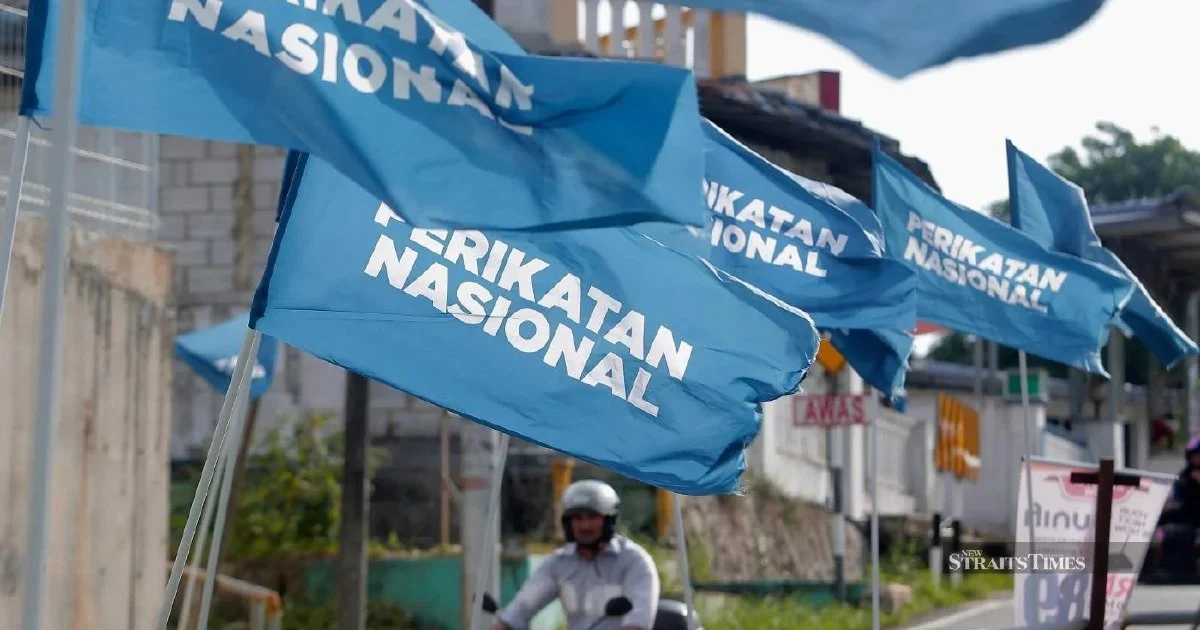
Perikatan Nasional is moving cautiously to prevent internal fractures within its coalition as attention turns to the upcoming state elections in Johor and Negri Sembilan, according to political observers monitoring the opposition alliance's behaviour. The timing of these electoral contests, expected to reshape representation in both states, has created pressure on PN leadership to project unity and resolve disputes through back-channel negotiations rather than public confrontation.
The relationship between PN and its key component party Bersatu has historically been complicated by personal rivalries, ideological differences, and competing ambitions for leadership roles. However, observers note that the coalition recognises the electoral mathematics are unforgiving—divisions within the opposition ranks during state elections benefit the governing Pakatan Harapan alliance and weaken PN's negotiating position on crucial policy matters at the federal level.
Johor and Negri Sembilan represent distinct political battlegrounds with different demographic profiles and historical voting patterns. Johor's size and economic importance make it a strategic prize, while Negri Sembilan's more compact electorate offers opportunities for targeted campaigning. Both states currently have representation from different political forces, making the outcome unpredictable and dependent on coalition coherence.
Analysts emphasise that PN's internal cohesion directly correlates with its electoral viability. When coalition members are publicly feuding or threatening to withdraw, voters perceive weakness and become less likely to mobilise in their favour. The coalition has experienced splintering in the past, and maintaining the Bersatu partnership specifically prevents the defection of a significant bloc of parliamentary seats and grassroots machinery.
Bersatu brings particular assets to PN's electoral calculation, including an established voter base in certain regions and a narrative of Malay-Muslim representation that resonates with portions of the electorate. Losing this partnership would force PN to spend capital rebuilding support in areas where Bersatu currently holds sway, a luxury the coalition cannot afford immediately before state elections.
The strategic holding pattern reflects a broader pattern in Malaysian politics where coalitions prioritise short-term electoral gains over long-term institutional development. Rather than addressing the substantive disagreements dividing coalition partners, PN leadership appears content to manage tensions quietly until the immediate electoral contests conclude. This approach allows both PN and Bersatu to claim victory regardless of specific state-level outcomes, since maintaining the alliance itself becomes a political win.
For Malaysian voters, this dynamic underscores ongoing questions about governance and accountability. When political parties subordinate internal reforms and policy clarity to coalition management, citizens receive less transparent information about what they might expect from these coalitions if they assume power. The emphasis on electoral timing over substantive resolution means underlying tensions will likely resurface after polls close.
The Johor and Negri Sembilan elections serve as important indicators of broader national sentiment and coalition viability heading into potential federal elections. PN's performance will determine whether it can sustain momentum as an alternative to Pakatan Harapan or whether fragmentation will accelerate. Conversely, strong results could validate the coalition's approach of managing rather than resolving internal disputes.
For the wider Southeast Asian region, Malaysia's opposition coalition dynamics matter because they influence the country's policy direction on crucial issues including religious freedoms, minority rights, and regional integration. An unstable PN struggling with internal contradictions may struggle to articulate coherent positions on these matters, complicating bilateral and multilateral engagement with neighbouring countries that depend on predictable Malaysian policy positions.
Regional analysts watching Malaysia's political evolution also note that coalition management practices pioneered here influence opposition politics across Southeast Asia, where multiple parties frequently seek electoral alliances. The degree to which PN succeeds in subordinating factional interests to collective electoral ambitions provides lessons for democratic coalitions navigating similar pressures in Indonesia, Thailand, and the Philippines.
Observers caution, however, that the current holding pattern cannot persist indefinitely. Coalition partnerships require periodic renewal and renegotiation of power-sharing arrangements. After the Johor and Negri Sembilan elections, PN faces an accountability moment where coalition partners will reassess whether continued partnership serves their individual interests. Without substantive resolution of current disagreements, fragmentation becomes more likely, not less.

