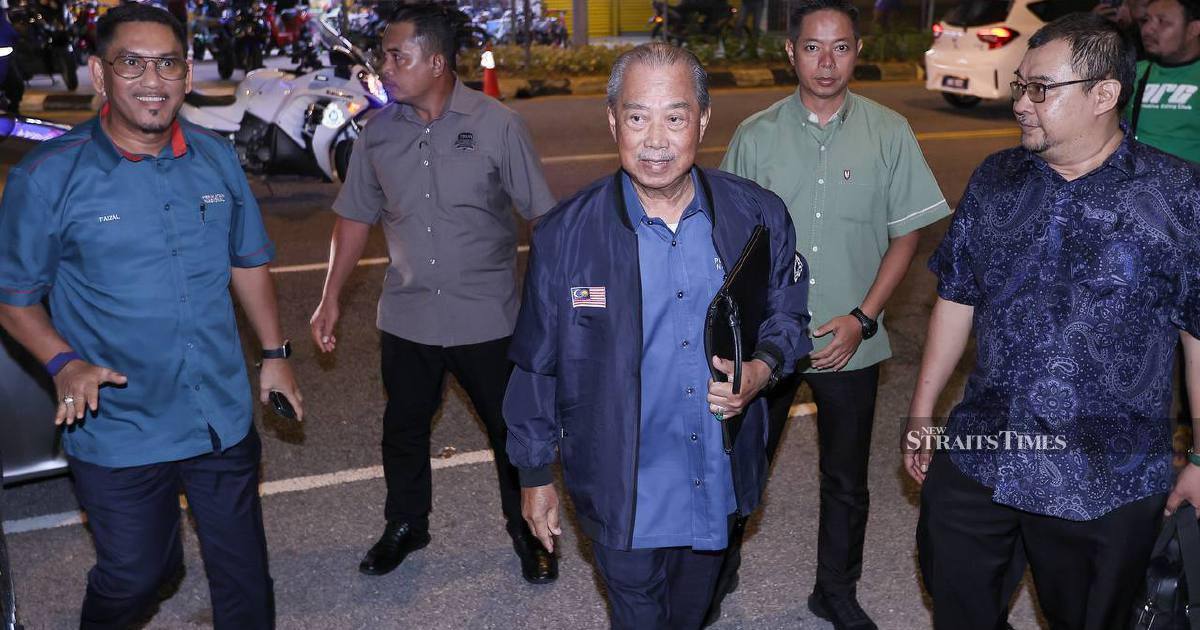
Senior figures from Perikatan Nasional convened for an unscheduled emergency meeting of the coalition's Supreme Council at PAS headquarters in Kuala Lumpur, signalling heightened activity within Malaysia's principal opposition alliance. The unexpected gathering of PN leaders underscores ongoing dynamics within the bloc that has positioned itself as an alternative to the incumbent government since the last general election.
The decision to hold such a meeting outside regular scheduled forums typically indicates pressing matters requiring immediate attention from the coalition's most senior decision-makers. Perikatan Nasional, which comprises PAS, PKR's breakaway faction represented by Azmin Ali's faction, Bersatu, and smaller component parties, has faced periodic internal tensions over strategic direction and policy coordination. The convening of the Supreme Council—the bloc's highest decision-making body—suggests leadership felt compelled to address developments that could affect the coalition's cohesion or parliamentary positioning.
The location at PAS headquarters carries particular significance given the Islamic party's central role within the PN framework. PAS, with its substantial parliamentary representation and grassroots organisational strength, functions as the coalition's anchor, particularly among its core voter base in rural and semi-urban areas. The choice to meet here rather than a neutral venue may reflect either PAS's leading role in initiating the discussion or the urgency of the matter requiring its participation as the coalition's largest component party.
Emergency Supreme Council meetings within multi-party coalitions typically signal one of several scenarios: efforts to address defections or disciplinary matters, discussions on parliamentary strategy, coordination ahead of legislative votes, responses to external political developments, or internal disputes requiring senior arbitration. For an opposition coalition like PN, such meetings frequently precede significant announcements regarding coalition positions on government policies or parliamentary tactics.
The timing of the meeting assumes additional relevance within Malaysia's current political landscape, where opposition coalitions require careful management to maintain unity amid competing party interests and leadership ambitions. Since Perikatan Nasional's formation and subsequent emergence as the primary challenger to ruling coalitions, maintaining internal discipline while accommodating diverse Islamic and Malay-centric political perspectives has presented ongoing challenges to PN leadership.
For Malaysian political observers, the convening of this emergency session underscores how coalition politics remains fragile and responsive to shifting circumstances. The PN alliance, despite periodic public displays of solidarity, navigates persistent pressures from internal factional dynamics, divergent strategic visions among component parties, and the challenge of maintaining relevance amid broader governmental and parliamentary developments.
Understanding PN's internal mechanisms remains crucial for analysing Malaysia's broader political trajectory. As an opposition coalition, Perikatan Nasional's capacity to maintain cohesion while pressing its parliamentary agenda directly influences legislative dynamics and government accountability. Emergency meetings of this nature often precede significant policy statements or strategic pivots that ripple through parliamentary proceedings.
The coalition's ability to project unity—despite inherent tensions between parties with distinct electoral bases and ideological emphases—remains central to its viability as a governing alternative. Each emergency meeting requires careful navigation of competing party interests, particularly when matters touch upon sensitive internal hierarchies or disagreements over parliamentary strategy and public positioning.
Regional implications of PN's internal stability extend beyond Malaysia's borders, as opposition coalition dynamics influence broader Southeast Asian political trends and South China Sea governance discussions that emerge through parliamentary debate. Stable opposition blocs capable of articulating clear policy alternatives serve important democratic functions, providing voters with substantive choices and enhancing parliamentary scrutiny of executive actions.
The gathering represented a moment when PN's top leadership deemed face-to-face engagement essential to address whatever circumstances prompted the emergency convocation. Such meetings, though sometimes shrouded in initial ambiguity regarding their specific agendas, subsequently clarify through official statements, policy announcements, or visible shifts in coalition positioning within parliamentary activities.
For stakeholders monitoring Malaysian political developments—whether investors, civil society observers, or regional policymakers—these emergency sessions function as indicators of coalition stability and potential realignment. The frequency and nature of such gatherings provide insights into whether coalition partners remain sufficiently aligned on core issues or whether significant disagreements threaten to destabilise the broader opposition bloc structure.
Moving forward, political analysts will scrutinise official statements emanating from Perikatan Nasional regarding the meeting's outcomes and any resulting policy or strategic adjustments. The emergency council's deliberations and subsequent public communications will clarify whether the gathering addressed routine administrative matters, responded to external developments, or signalled internal recalibrations affecting the coalition's trajectory and parliamentary role.

