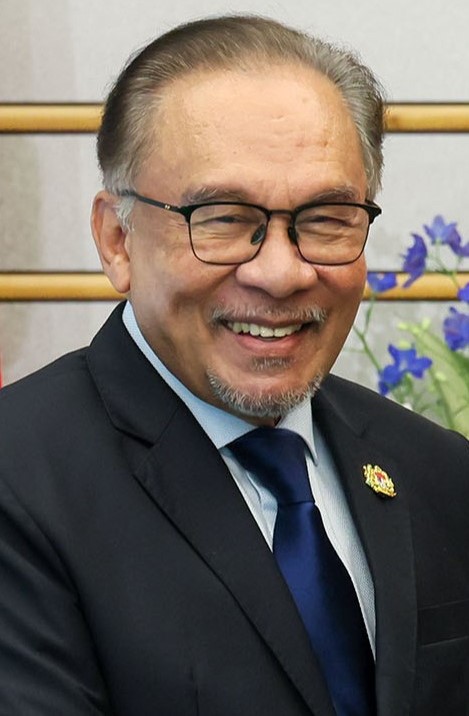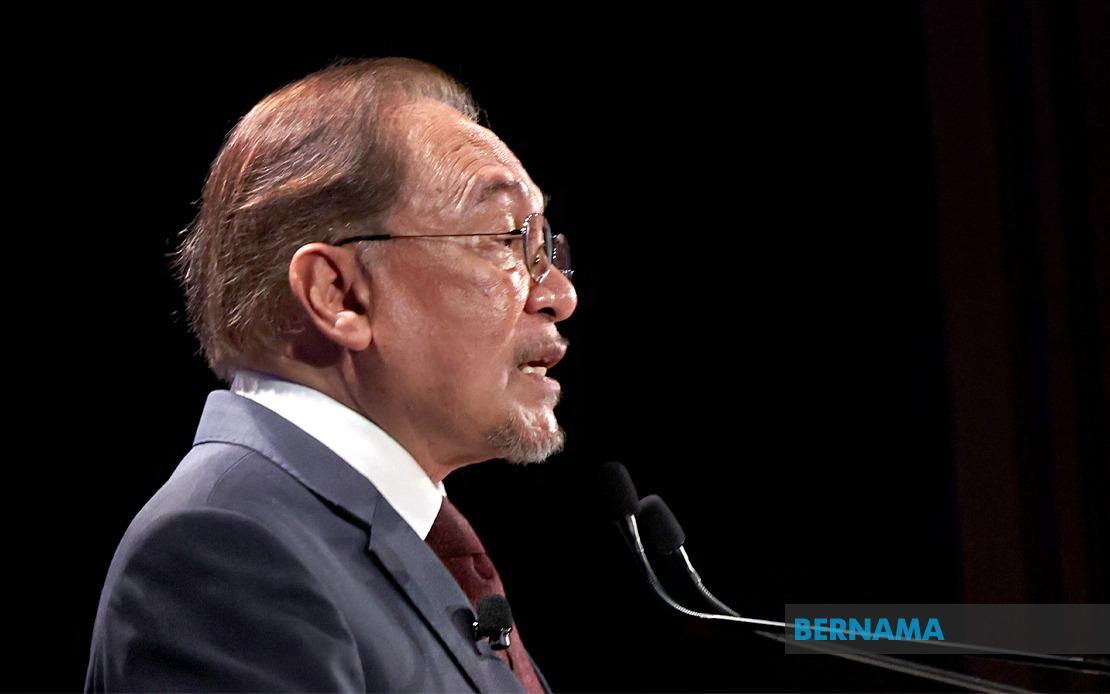
Prime Minister Datuk Seri Anwar Ibrahim's concluding day in Turkmenistan will involve an intensive schedule of diplomatic and commercial engagements as Malaysia deepens its strategic relationship with the Central Asian nation. The prime minister is expected to participate in a formal welcoming ceremony at the Presidential Palace hosted by Turkmenistan President Serdar Berdimuhamedov, setting the tone for substantive discussions on cooperation across multiple economic and social sectors.
The centrepiece of the day will be a one-on-one meeting between Anwar and Berdimuhamedov, allowing both leaders to address strategic matters before expanding the conversation into a full bilateral setting. This format reflects the diplomatic importance Malaysia places on its engagement with Turkmenistan, a resource-rich nation positioned at the crossroads of Central Asia and the wider Eurasian economic space. The discussion is expected to encompass the current trajectory of Malaysia-Turkmenistan relations and identify concrete pathways for expanding cooperation.
A series of bilateral agreements will be executed during the visit, signalling the breadth of sectoral engagement between the two nations. The pair will sign a joint statement alongside multiple memoranda of understanding and formal agreements. Among the key documents are an Air Services Agreement that could facilitate increased connectivity between Kuala Lumpur and Ashgabat, and an MoU between Malaysia's and Turkmenistan's foreign affairs institutes designed to deepen institutional knowledge-sharing and diplomatic coordination.
Cooperation on transport infrastructure represents another significant dimension of the bilateral relationship. Both governments will witness the exchange of an MoU between Malaysia's Ministry of Transport and Turkmenistan's State Service, indicating joint efforts to improve logistics and connectivity corridors. Additionally, Malaysia's Academy of Sciences will formalize collaborative arrangements with its Turkmenistan counterpart, establishing frameworks for research partnerships and scientific exchange in areas relevant to both nations' development priorities.
Energy and natural resources form the economic backbone of Malaysia-Turkmenistan relations. Several documents in the oil and gas sector will be exchanged during the bilateral meeting, reflecting the substantial role energy cooperation plays in the bilateral agenda. This focus is particularly significant given that Petronas, Malaysia's national oil company, has maintained a major presence in Turkmenistan since 1996, with cumulative investments reaching RM52.73 billion. The renewal and expansion of energy agreements underscore both nations' commitment to this critical partnership dimension.
During their discussions, both leaders will address a range of cooperation areas spanning trade and investment, agriculture and commodities, energy development, tourism promotion, educational exchanges, digital economy initiatives, and science and technology collaboration. This comprehensive agenda reflects Malaysia's multifaceted approach to Central Asian engagement, moving beyond traditional energy partnerships to encompass broader economic and people-to-people linkages. The emphasis on digital and technology sectors indicates both nations' interest in participating in emerging global value chains.
Regional and international developments will also feature prominently in conversations between the two leaders. Anwar and Berdimuhamedov are expected to exchange perspectives on ASEAN's current direction and priorities alongside developments unfolding across Central Asia. This dimension of the dialogue underscores how bilateral relationships increasingly incorporate discussion of broader geopolitical trends and regional stability concerns, particularly relevant given Turkmenistan's strategic location and Malaysia's role as a leading ASEAN voice.
Following the formal bilateral engagement, Anwar will participate in a presidential luncheon at the Palace before attending Friday prayers at the Turkmenbashi Ruhy Mosque, blending diplomatic protocol with cultural and religious observance. The prime minister will subsequently co-chair the Malaysia-Turkmenistan Forum alongside President Berdimuhamedov at the Chamber of Commerce and Industry, providing a platform for business representatives from both nations to explore investment and trading opportunities. This business-focused forum complements the government-level discussions and helps translate political commitment into commercial action.
Ashaghbat, Turkmenistan's capital, provides a distinctive backdrop for this high-level engagement. The city, internationally recognized as the 'White Marble City' and holder of the Guinness World Record for the highest concentration of white marble-clad buildings with over 500 structures, reflects Turkmenistan's ambitious development vision and modern infrastructure standards. The city's monumental architecture, characteristic broad avenues, and extensive gold-leaf detailing create an impressive setting for diplomatic exchanges and symbolize the nation's aspirations and resources.
Malaysia's trade relationship with Turkmenistan has grown meaningfully in recent years. In 2025, Turkmenistan ranked as Malaysia's fourth largest trading partner among Central Asian nations, with bilateral trade reaching RM75.80 million. Malaysian exports, valued at RM75.50 million, registered a nine percent year-on-year increase, demonstrating expanding commercial interest. While these figures remain modest compared to Malaysia's trade with larger economies, the growth trajectory and composition reflect genuine economic complementarity and potential for deeper engagement.
Petronas' substantial investments in Turkmenistan represent the most significant dimension of Malaysia-Turkmenistan economic relations. The company's cumulative commitment of RM52.73 billion since 1996 reflects both the scale of hydrocarbon resources in the country and the long-term confidence Malaysia's energy sector maintains in the operating environment. This investment base creates powerful incentives for both governments to maintain stable, predictable bilateral relations and provides a foundation upon which broader economic cooperation can be constructed.
Anwar's delegation includes senior investment and economic officials, reflecting the commercial substance of the visit. Minister of Investment, Trade and Industry Datuk Seri Johari Abdul Ghani and Minister of Economy Akmal Nasrullah Mohd Nasir accompany the prime minister, alongside officials from the Prime Minister's Office and Foreign Ministry. This composition indicates that the visit addresses both immediate bilateral matters and longer-term strategic positioning within Central Asia.
Turkmenistan's geographical position along the Caspian Sea, bordered by Kazakhstan and Uzbekistan to the north, Afghanistan to the southeast, and Iran to the south and southwest, positions it as a potential hub for regional commerce and energy transport. The Caspian Sea itself, as the world's largest inland water body, represents both an economic opportunity and a complex geopolitical space where Malaysia's energy interests intersect with broader regional stability considerations. Anwar's engagement with Turkmenistan reflects Malaysia's recognition of Central Asian importance to long-term prosperity and strategic alignment.