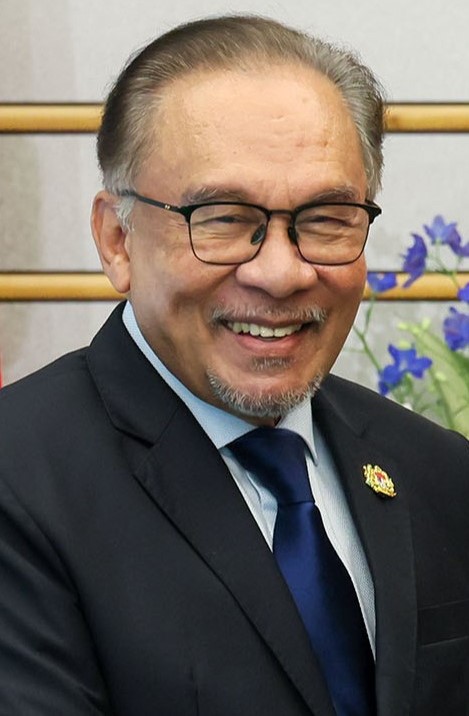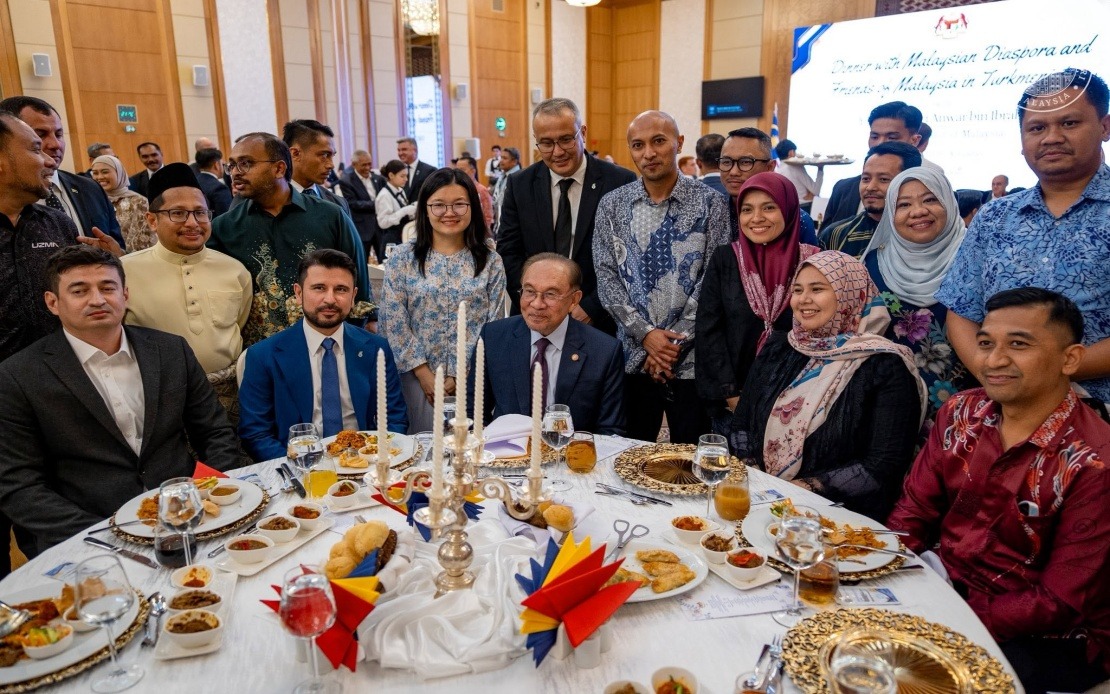
Prime Minister Datuk Seri Anwar Ibrahim made time during his official visit to Turkmenistan to engage directly with the Malaysian community based in Ashgabat, highlighting the MADANI Government's priority of maintaining strong connections with citizens living overseas. The interaction underscores a deliberate diplomatic strategy that extends beyond conventional state-to-state relations to encompass the broader Malaysian presence across global markets and communities.
Anwar emphasised that encounters with the diaspora serve a critical function in the government's international engagement framework. He articulated that these scattered communities act as informal yet powerful representatives of Malaysia's interests and values, actively working to enhance the nation's standing on the world stage. Their contributions extend beyond business and professional spheres into cultural and social dimensions that shape perceptions of Malaysia across Central Asia and beyond.
The Prime Minister's visit to Turkmenistan marks his first official engagement with the Central Asian nation following an invitation from President Serdar Berdimuhamedov, who had travelled to Malaysia in December 2024. This reciprocal arrangement demonstrates Malaysia's commitment to building substantive diplomatic relationships with countries across diverse geographical regions, particularly those with emerging economic opportunities and geopolitical significance.
In his remarks, Anwar characterised the Malaysian diaspora as unofficial ambassadors consciously working to build Malaysia's global reputation and expand the nation's networks. This framing reflects a modern understanding of soft power, where engaged citizens abroad become multipliers of national interest through their daily interactions, professional achievements, and cultural representations. The government's recognition of this role signals an intention to cultivate closer coordination between overseas Malaysians and domestic policy priorities.
During discussions with the Ashgabat community, Anwar stressed the importance of maintaining active connection with developments back home. He encouraged diaspora members to stay informed about Malaysia's progress and to remain engaged with national affairs despite geographical distance. This appeal taps into broader themes of national identity and belonging that often resonate strongly with overseas communities navigating life between two worlds.
Beyond the diaspora engagement component, the Prime Minister outlined a comprehensive framework for the Turkmenistan visit that transcends narrow commercial calculations. While trade and investment cooperation feature prominently in Malaysia's Central Asian strategy, Anwar positioned the engagement as fundamentally concerned with deepening bilateral friendship and mutual understanding. This broader conceptualisation suggests Malaysia views Turkmenistan as a partner with whom long-term strategic interests can be cultivated.
The timing of Anwar's Central Asian visit reflects Malaysia's broader strategic recalibration under the MADANI Government. As the Southeast Asian nation seeks to diversify its international partnerships and reduce dependency on traditional partners, engagement with Central Asian states offers access to new markets, investment opportunities, and geopolitical networks. Turkmenistan's strategic location along major trade corridors and its energy resources make it a logical focus for Malaysian diplomatic expansion.
The reciprocal nature of official visits between Anwar and President Berdimuhamedov signals genuine mutual interest in developing the bilateral relationship. Presidential visits carry significant diplomatic weight and typically reflect high-level commitment to future cooperation. The proximity of these visits suggests both countries perceive value in strengthening connections across multiple dimensions including economic, cultural, and strategic domains.
For Malaysian diaspora communities in Central Asia, prime ministerial engagement carries symbolic importance alongside practical value. Such visits validate their presence abroad and affirm government interest in their welfare and professional advancement. Regular engagement from national leadership helps foster a sense of continued membership in the Malaysian national project, even while they build lives and careers in distant locations. This connectivity can translate into sustained advocacy for Malaysian interests within their adopted communities.
The diaspora dimension of Anwar's visit also reflects evolving recognition that overseas Malaysians constitute a valuable asset in advancing national objectives. Their professional expertise, business networks, cultural knowledge, and personal connections within host communities provide invaluable intelligence and influence that traditional diplomatic channels cannot easily access. Governments worldwide increasingly recognise that engaged diaspora communities amplify soft power and create avenues for relationship-building that complement formal state interactions.
Anwar's emphasis on the multifaceted nature of the Turkmenistan engagement suggests Malaysia is moving beyond transactional diplomacy toward relationship-building grounded in mutual respect and shared opportunity. This approach aligns with MADANI principles emphasising inclusive and people-centric governance that extends to Malaysian communities globally. The inclusion of diaspora engagement within a major state visit signals that the government considers overseas citizens integral to Malaysia's international strategy rather than peripheral to core diplomatic activities.