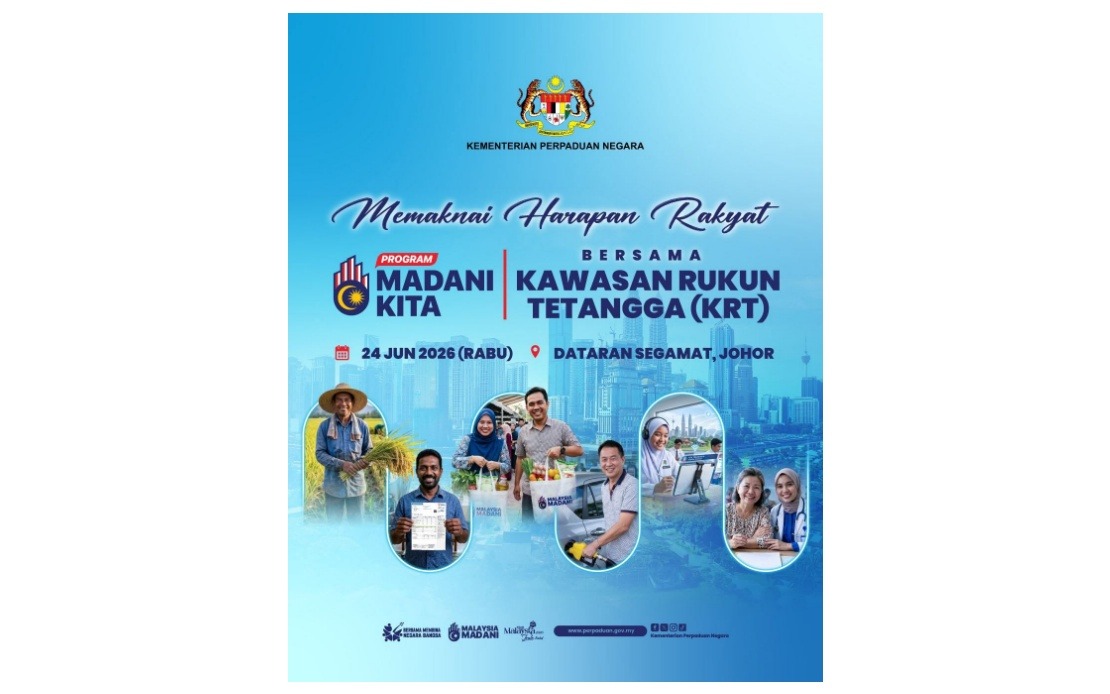
Prime Minister Datuk Seri Anwar Ibrahim returned to Johor on June 24 for a two-pronged engagement in Segamat, a district situated approximately 200 kilometres south of the state capital. The visit represented his second appearance in the state within a 72-hour window, underscoring the heightened political activity surrounding the impending 16th Johor state election and Pakatan Harapan's determination to maintain momentum in a traditionally competitive electoral battleground.
The timing of Anwar's Segamat visit came strategically in the wake of his announcement of the coalition's full slate of candidates just days earlier in Bukit Gambir, Tangkak. The Pakatan Harapan lineup comprises 20 candidates from PKR, 19 from Amanah, and 17 from DAP, collectively contesting all 56 state assembly seats across Johor. This comprehensive candidate disclosure had set the stage for intensified grassroots campaigning and public engagement across various constituencies, with Segamat emerging as a priority destination for senior party leadership.
The centrepiece of the Prime Minister's Segamat itinerary was the official launch of the MADANI KITA programme, scheduled to take place at Dataran Segamat at 5 pm in collaboration with the area's Rukun Tetangga chapters. The initiative represents a deliberate governmental effort to operationalise the broader MADANI framework—encompassing prosperity, harmony, empowerment, and strategic resilience—at the neighbourhood level, where citizen engagement directly translates into political goodwill and policy relevance. By positioning himself as the facilitator of this community-centric programme, Anwar sought to demonstrate the coalition government's commitment to strengthening local bonds and fostering inter-communal cohesion during a period of heightened electoral competition.
Much of the MADANI KITA programme's appeal lies in its dual functionality as both a civic initiative and a platform for disseminating government policies to ordinary residents. The structured engagement with Rukun Tetangga organisations—the grassroots neighbourhood associations that form the backbone of community administration throughout Malaysia—enables direct dialogue between federal leadership and local stakeholders. This mechanism proves particularly valuable in constituencies where ethnic and social diversity requires careful navigation, and where the ruling coalition's electoral fortunes depend on maintaining broad-based legitimacy across different demographic segments.
Following the formal MADANI KITA officiation, Anwar was scheduled to participate in an informal community gathering centred on the "Jom! Makan Durian" programme at the Yayasan Bazaar location in Segamat at 6:30 pm. This more relaxed and socially engaging event serves as a deliberate counterpoint to the structured civic programme, allowing the Prime Minister to interact with residents in a casual setting that encourages organic conversation and personal connection. The choice of a durian-themed communal meal reflects an astute understanding of Johor's agricultural identity and regional food culture, transforming a simple gathering into a culturally resonant political moment that generates favourable optics and reinforces ties with the local community.
The electoral calendar driving this heightened political activity reflects the compressed timeline of the Johor state campaign. The Election Commission has designated June 27 as nomination day, enabling candidates to formally register their candidacies at designated nomination centres statewide. Early voting has been scheduled for July 7, extending polling opportunities to essential service personnel, military personnel, and other designated categories. The main polling day of July 11 will determine the composition of the Johor state assembly and the next state government, making every week between mid-June and mid-July a critical period for coalition positioning and voter mobilisation.
For Pakatan Harapan, the Johor election carries significance beyond the state level. Johor remains one of Malaysia's most politically volatile states, with the ruling coalition's performance there serving as a barometer of national political sentiment and coalitional cohesion. The coordination between PKR, Amanah, and DAP in fielding candidates and conducting joint campaigns demonstrates the alliance's operational maturity, yet internal dynamics between the three parties—particularly regarding seat allocation and resource distribution—continue to generate friction. Anwar's personal presence in Segamat signals senior coalition leadership's investment in preventing any erosion of support in a state where previous electoral cycles have produced tight contests and unexpected reversals.
Segamat itself occupies a distinct position within Johor's political geography. As a district with substantial agricultural and rural constituencies alongside emerging suburban areas, it encompasses voters with diverse economic interests and demographic profiles. The presence of both established Malay-Muslim majority communities and significant Chinese and Indian populations creates a complex electoral landscape where appeals to inter-communal harmony and shared prosperity—precisely the themes embedded in MADANI KITA—carry genuine strategic weight. Successful performance in Segamat can provide Pakatan Harapan with critical state assembly seats and demonstrate the coalition's capacity to win support across different community segments.
The back-to-back visits to Johor within three days also reflect broader campaign strategy considerations. Repeated high-profile visits by the Prime Minister serve multiple purposes simultaneously: they maintain coalition visibility in key media markets, they provide reassurance to party machinery and grassroots activists regarding the seriousness with which leadership approaches the election, and they generate local news coverage that amplifies messaging beyond the immediate event location. Each programme creates photographic and video content suitable for social media distribution, extending the Prime Minister's campaign reach across digital platforms where younger voters increasingly obtain political information.
As the campaign progresses toward the July 11 polling day, similar targeted visits by senior coalition leaders across other constituencies and districts are likely to accelerate. The intensity of these engagements reflects the genuine competitiveness that all parties anticipate in the Johor race. While Pakatan Harapan currently holds significant state-level influence through the federal government, translating that national position into sustained state electoral success requires meticulous attention to local concerns, community mobilisation, and visible commitment to the developmental initiatives that directly affect daily life in constituencies like Segamat.

