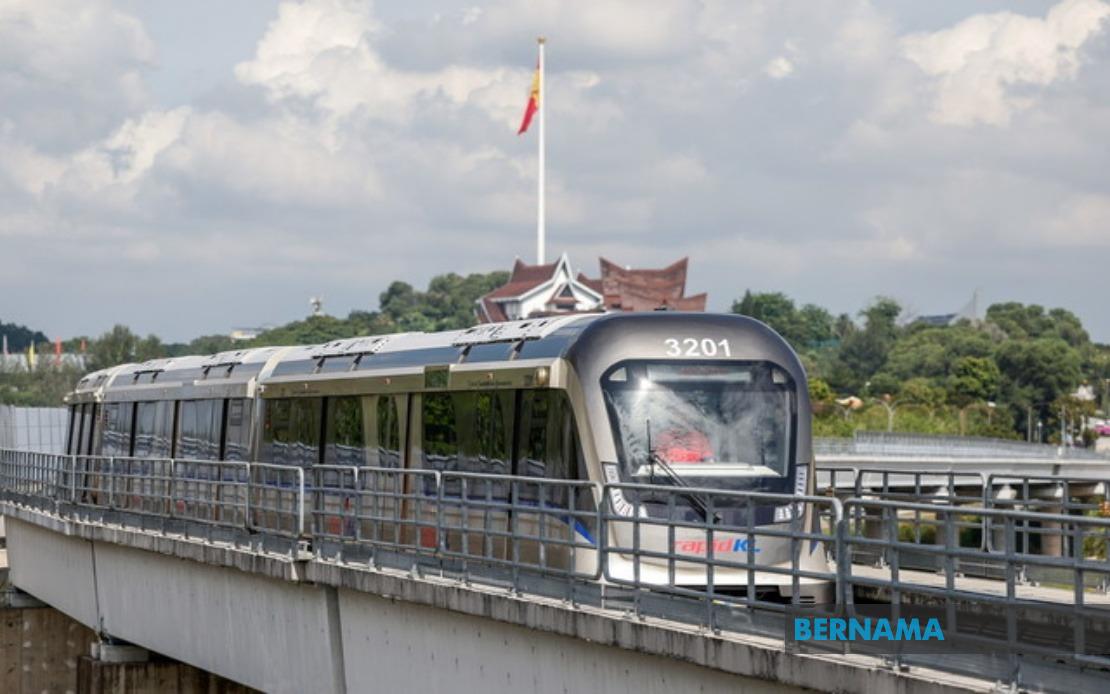
Prime Minister Datuk Seri Anwar Ibrahim will preside over the official launch of the Light Rail Transit 3 (LRT3) Shah Alam Line on Sunday, June 28, marking a significant milestone for the Klang Valley's public transport infrastructure. The 37.8-kilometre rapid transit corridor, stretching from Bandar Utama to Johan Setia, has completed its construction phase and stands ready to serve commuters across the densely populated Shah Alam region and surrounding areas. According to Shah Alam line chief Mohd Ariffin Idris, the Prime Minister will announce the commercial service commencement date and time during the ceremony, bringing an end to months of anticipation among residents who have been eagerly awaiting access to this modern transit system.
The Shah Alam Line represents a substantial expansion of the Klang Valley's rapid transit network, with its 20 stations strategically positioned to address transportation gaps in one of Malaysia's most populous urban corridors. The route encompasses two clusters of stations: the first segment includes Bandar Utama, Kayu Ara, BU 11, Damansara Idaman, Subang, Glenmarie 2, Kerjaya, Stadium Shah Alam, Dato' Menteri, and UiTM Shah Alam. The second segment continues through Seksyen 7 Shah Alam, Bandar Baru Klang, Pasar Klang, Jalan Meru, Jambatan Kota, Taman Selatan, Seri Andalas, Klang Jaya, Bandar Bukit Tinggi, and terminates at Johan Setia, collectively anticipated to benefit approximately two million people residing along the corridor.
Intermodal connectivity forms a critical component of the Shah Alam Line's design philosophy, enabling seamless passenger transfers across the Klang Valley's expanding rail network. At Bandar Utama station, commuters will gain direct access to the Kajang Line, whilst Glenmarie 2 provides a connection point to the Kelana Jaya Line. This integrated approach significantly enhances the utility of the rapid transit system by creating multiple routing options and reducing overall journey times for passengers traversing different zones of the metropolitan region. The emphasis on connectivity reflects broader transport planning objectives aimed at reducing private vehicle dependence and promoting sustainable urban mobility.
Comprehensive last-mile connectivity solutions accompany the launch of the Shah Alam Line, addressing one of public transport's most persistent challenges in Malaysian urban centres. Prasarana has deployed 40 feeder buses operating across 13 distinct routes with 323 stops, priced at just RM1 per journey to ensure affordability. Additionally, the operator has introduced Rapid On-Demand van services featuring 44 vehicles serving 20 designated zones at RM2 per trip. Both services operate from 6 am to 11:30 pm, aligning with typical commuting hours whilst accommodating shift workers and evening travellers. Notably, Prasarana has committed to continuously optimising these supporting services based on actual passenger demand patterns once regular operations commence, ensuring that the network evolves responsively to real-world usage.
Parking infrastructure at selected stations provides a crucial park-and-ride option for drivers transitioning to rail transit. Six stations—Kayu Ara, Damansara Idaman, Pasar Besar Klang, Sri Andalas, Bandar Bukit Tinggi, and Johan Setia—have been designated with dedicated vehicle parking facilities totalling 2,300 bays. This distribution strategy targets communities at the line's periphery, where road-dependent commuting remains prevalent, whilst encouraging modal shift towards more sustainable transport. The provision of adequate parking, coupled with affordable feeder services, addresses a key pain point for potential transit users who might otherwise rely entirely on personal vehicles for their journeys.
Projected passenger demand reflects optimistic but cautiously realistic expectations for the new line's utilisation. Prasarana anticipates 67,000 daily passengers during the initial operational year, with growth projections reaching 117,708 daily commuters within five years. These figures position the Shah Alam Line as a significant contributor to the Klang Valley's overall transit ridership, particularly given the established demand demonstrated by existing lines and the substantial residential and employment density along the corridor. The first-year projection suggests strong initial adoption, whilst the five-year target implies sustained growth driven by increased familiarity with the service, ongoing urban densification, and the maturation of feeder connections.
Environmental sustainability has been integrated throughout the Shah Alam Line's design and operational planning, reflecting growing expectations for green infrastructure in Malaysian public transport. The light rail vehicles utilise inverter-based air conditioning systems, which optimise energy consumption compared to conventional cooling technologies. Station designs prioritise natural ventilation and daylighting, substantially reducing reliance on mechanical systems and lowering the overall operational carbon footprint. These design choices extend beyond environmental benefits, creating more comfortable commuting environments for passengers whilst reducing long-term operational costs for Prasarana. The emphasis on sustainability positions the Shah Alam Line as a model for future transit expansions in Malaysia, demonstrating that rapid development timelines need not compromise environmental responsibility.
Accessibility provisions throughout the Shah Alam Line ensure equitable transport access for all community members, regardless of mobility status. Every station incorporates wheelchair-accessible ramps, disability-compliant toilet facilities, and designated boarding areas. Passenger carriages feature reserved seating specifically designated for persons with disabilities, whilst the platform-level infrastructure accommodates passengers with mobility aids. This comprehensive approach reflects evolving standards for inclusive public transport in Malaysia and acknowledges the transportation needs of elderly residents and people with disabilities who represent a substantial portion of the urban population. The accessibility features enhance the system's social value by removing barriers that previously limited transit usage among vulnerable groups.
Planned future extensions will further consolidate the Shah Alam Line's regional significance within the broader Klang Valley transit ecosystem. Five stations—Tropicana, Raja Muda, Temasya, Bukit Raja, and Bandar Botanik—remain designated for reconstruction, with construction work scheduled to commence by year-end. These expansions will extend the line's reach into additional residential and commercial catchments, potentially unlocking significant travel corridors currently underserved by public transport infrastructure. The phased approach to network development allows Prasarana to manage capital requirements and operational challenges whilst continuously expanding service coverage. Once these extensions are completed, the enhanced Shah Alam Line will provide even more comprehensive coverage across the western Klang Valley, reinforcing rapid transit's role as the backbone of regional mobility.
The Shah Alam Line's launch arrives at a pivotal moment for Malaysian public transport policy, coinciding with nationwide efforts to enhance transit infrastructure quality and capacity. The Prime Minister's participation in the official ceremony underscores governmental commitment to rapid transit expansion as a strategic development priority. For Malaysian commuters and urban planners, the Shah Alam Line demonstrates that large-scale rail projects can be completed successfully and brought into operation within reasonable timeframes. The success of this project provides valuable momentum for similar initiatives elsewhere in Malaysia, whilst establishing benchmarks for operational standards, passenger facilities, and sustainability integration that other operators and development agencies can emulate.

