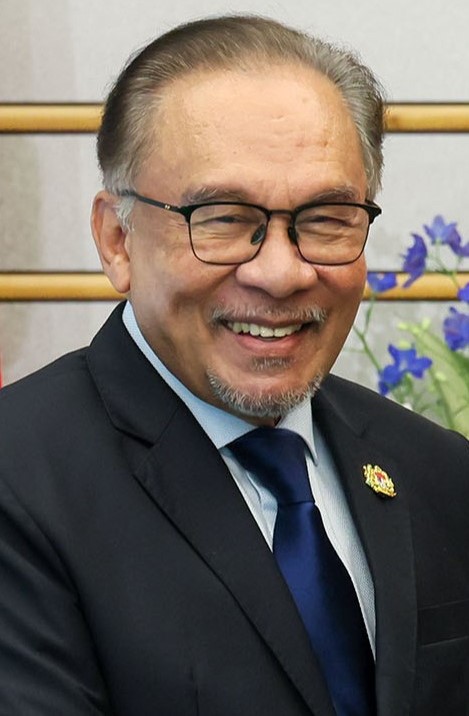
Prime Minister Datuk Seri Anwar Ibrahim and his wife Datuk Seri Dr Wan Azizah Wan Ismail have extended heartfelt condolences to Women, Family and Community Development Minister Datuk Seri Nancy Shukri following the death of her husband, Datuk Kamil Misuari, on the evening of June 18. The announcement came through an official statement from the Office of the Minister, with the Prime Minister subsequently sharing a personal message on Facebook expressing solidarity with the bereaved minister and her family during this period of loss.
In his social media post, Anwar conveyed prayers and well-wishes to both Nancy and her immediate family members, hoping they would draw upon inner reserves of resilience and fortitude to navigate the challenging times ahead. The message reflected the customary practice of senior government figures publicly acknowledging the personal tragedies affecting their cabinet colleagues, a gesture that underscores the cultural and religious values emphasised within Malaysia's political leadership.
The Prime Minister's statement incorporated traditional Islamic condolences, invoking blessings upon the deceased's soul and seeking divine forgiveness for any shortcomings during his lifetime. Such expressions carry particular weight in Malaysia's Muslim-majority society, where religious observance and respect for Islamic customs form an integral part of public discourse and governmental ceremonies. The language employed by Anwar mirrored established protocols observed by the nation's highest office when responding to significant personal events affecting members of the cabinet.
Datuk Kamil Misuari, aged 65 at the time of his passing, had been married to Nancy for nearly four decades, having wed in 1985. The couple shared three children together, establishing a family unit that had remained relatively private despite Nancy's prominence in national politics. His death at a Kuala Lumpur hospital marked the conclusion of a lengthy personal partnership that had spanned the entirety of his wife's political career, from her earliest involvement in government through her ascent to ministerial rank.
Following standard procedures for honouring prominent figures' family members, arrangements were made to transport Kamil's remains to his home state of Sarawak the following day. The funeral rites were scheduled to take place at Samariang Muslim Cemetery in Kuching, allowing family members and acquaintances from his native region to pay their final respects and participate in traditional burial ceremonies. This geographical arrangement reflects the practice of returning deceased individuals to their ancestral homelands for interment, a custom deeply rooted in Malaysian and broader Southeast Asian traditions.
Nancy Shukri's appointment as Women, Family and Community Development Minister represents her significant standing within the current political administration and the confidence placed in her by the Prime Minister. Her portfolio encompasses crucial areas affecting Malaysia's social fabric, including women's empowerment initiatives, family welfare programmes, and community development projects. The personal challenge posed by her husband's death would necessarily intersect with her demanding professional responsibilities, presenting both immediate logistical complications and longer-term considerations regarding her continued focus on ministerial duties.
The government's formal acknowledgment of Kamil's passing through an official ministerial statement reflected the appropriate protocols governing how the apparatus of state responds to deaths affecting cabinet-level officials and their families. Such announcements serve multiple functions simultaneously: they convey official recognition of the loss, provide factual details to the broader public, and establish the framework within which colleagues and subordinates understand how to respond appropriately to the bereaved minister.
For Malaysian observers and regional watchers of Southeast Asian politics, such incidents highlight the human dimensions underlying governmental operations. While ministers and senior officials are frequently perceived primarily through the lens of their policy decisions and political manoeuvres, events such as this remind the public that those holding high office navigate personal trials and family circumstances that can profoundly affect their lives outside the public domain. The response from the Prime Minister's office demonstrated the government's awareness that maintaining institutional cohesion and demonstrating genuine concern for ministerial colleagues' wellbeing forms part of effective leadership.
The condolence messages issued by Anwar and his wife also reflected broader Malaysian values around communal support during grief. In Malaysian society, where extended family networks and community bonds traditionally play significant roles in supporting those experiencing bereavement, the public expressions of sympathy from the nation's highest-ranking political couple carried meaningful weight. Such gestures communicate that grief is not a solitary experience but rather a moment when the wider community, particularly one's professional and political networks, rallies to provide moral support and spiritual encouragement.
Looking forward, Nancy Shukri's ministry would continue its work on issues ranging from women's economic participation and family support structures to community welfare initiatives. Whether her temporary absence during mourning periods would necessitate delegation of specific responsibilities to subordinates, or how she would balance grieving privately while maintaining public duties, remained matters for institutional management and personal determination. The government's rapid acknowledgment of her loss signalled that colleagues and the administration stood ready to provide necessary support during her transition.