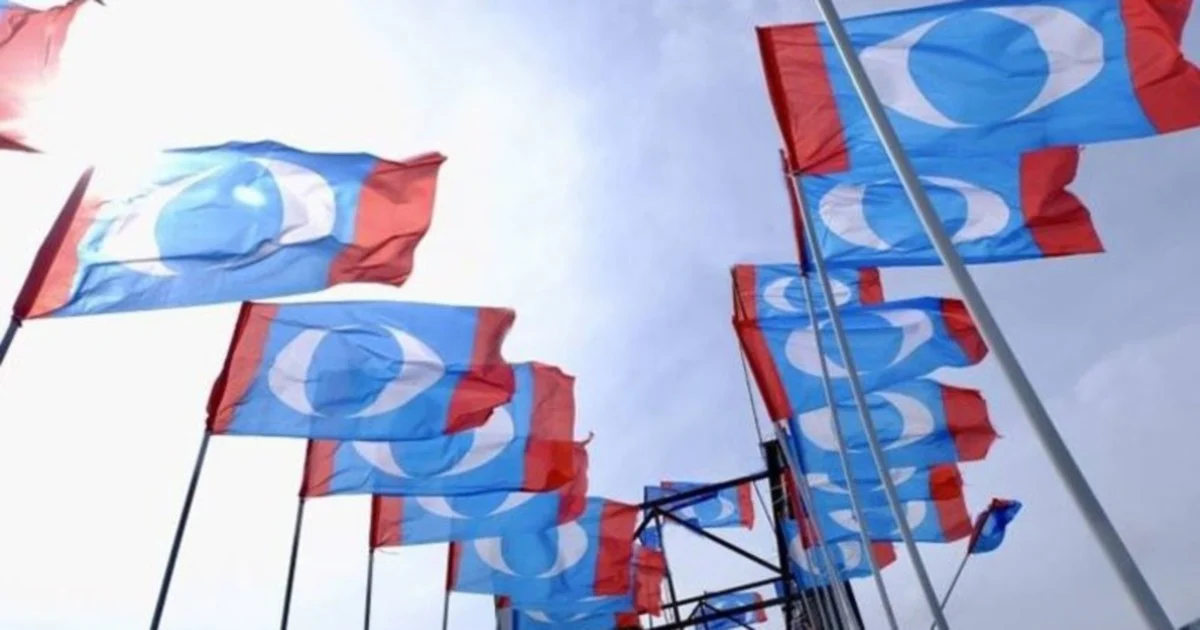
The PKR is on the verge of unveiling its full slate of candidates for the upcoming Johor and Negri Sembilan state elections, with party secretary-general Datuk Dr Fuziah Salleh confirming that preparations are 99 per cent complete. The announcement comes as political parties across Malaysia race to finalize their nominations ahead of what is expected to be fiercely contested state-level contests in two key peninsular regions.
The near-completion of PKR's candidate selection process represents a crucial milestone in the party's electoral strategy. As the primary component of the Pakatan Harapan coalition, PKR's positioning in both states carries significant implications for the broader opposition's chances of capturing or retaining state governments. The party's careful approach to candidate vetting suggests leadership is determined to field competitive contenders capable of swaying marginal constituencies that will likely determine the election outcome.
Johor holds particular strategic importance for the opposition coalition. As Malaysia's second-largest state by population and a traditionally contested political battleground, the state has witnessed intense competition between the ruling Barisan Nasional and various opposition factions over successive elections. PKR's performance in Johor will substantially influence not only which coalition controls the state government but also the broader narrative of opposition momentum heading into any future general election.
Negri Sembilan, while geographically smaller, carries its own political weight. The state's urban-rural constituency split creates distinct voting patterns, requiring tailored candidate selection to address the varying concerns of manufacturing-dependent industrial regions and more agricultural communities. PKR's finalization of its Negri Sembilan roster indicates the party has invested considerable effort in matching candidate profiles to local demographics and existing political dynamics.
The timing of Fuziah's announcement suggests the party is preparing for imminent formal candidate declarations. Malaysian electoral law requires political parties to submit their nomination papers to the Election Commission by specified deadlines that precede actual polling day by statutory periods. The 99 per cent completion rate signals that final arbitration on any contentious nominations is likely underway, with resolution expected within days rather than weeks.
Candidacy decisions in Malaysian state elections frequently generate internal party tension, particularly when sitting representatives face potential deselection or when local power brokers compete for nomination rights. PKR's extended deliberation process, evident from the gradual progression toward finalization, reflects efforts to navigate such internal dynamics while maintaining party cohesion ahead of a critical electoral contest. The secretary-general's public confirmation of near-completion may also serve as a preemptive statement to manage expectations among disappointed aspirants.
The PKR's candidate selection methodology typically emphasizes representative diversity across ethnic and gender lines, reflecting the party's positioning as a multiethnic formation within Pakatan Harapan. The finalized lists for both Johor and Negri Sembilan will provide valuable indicators of whether the party has sustained this diversity approach or adjusted its strategy based on electoral considerations in specific constituencies.
Coordination with other Pakatan Harapan components, including DAP and Amanah, constitutes another dimension of PKR's candidate finalization process. Coalition agreements typically stipulate seat allocations across member parties, requiring careful negotiation to ensure distribution reflects both parties' electoral viability and historical performance. The near-completion of PKR's process suggests inter-coalition discussions regarding seat division and mutual support arrangements are substantially concluded.
For Malaysian political observers, the finalization of PKR's candidate lists carries broader significance regarding opposition cohesion. The extent to which the party's nominations reflect grassroots enthusiasm, leadership prerogative, or compromise between competing internal factions will shape perceptions of Pakatan Harapan's readiness for electoral combat. A candidate list perceived as representative and inclusive may energize party machinery, whereas nominations seen as divisive could hamper campaign effectiveness.
The Johor and Negri Sembilan elections will occur within a specific national political context marked by ongoing government transitions and evolving coalition dynamics. PKR's performance in these contests will be scrutinized not merely as isolated state-level contests but as barometers of the opposition's capacity to mount credible electoral challenges across different demographic and geographic contexts within peninsular Malaysia.
As PKR finalizes its candidate selections, party campaign machinery will simultaneously shift toward intensive ground organization and messaging development. The completion of the nomination process represents a transition point from internal deliberation to outward-facing campaign activity, marking the beginning of the intense period when parties mobilize supporters and attempt to persuade undecided voters through direct engagement and media presence.

