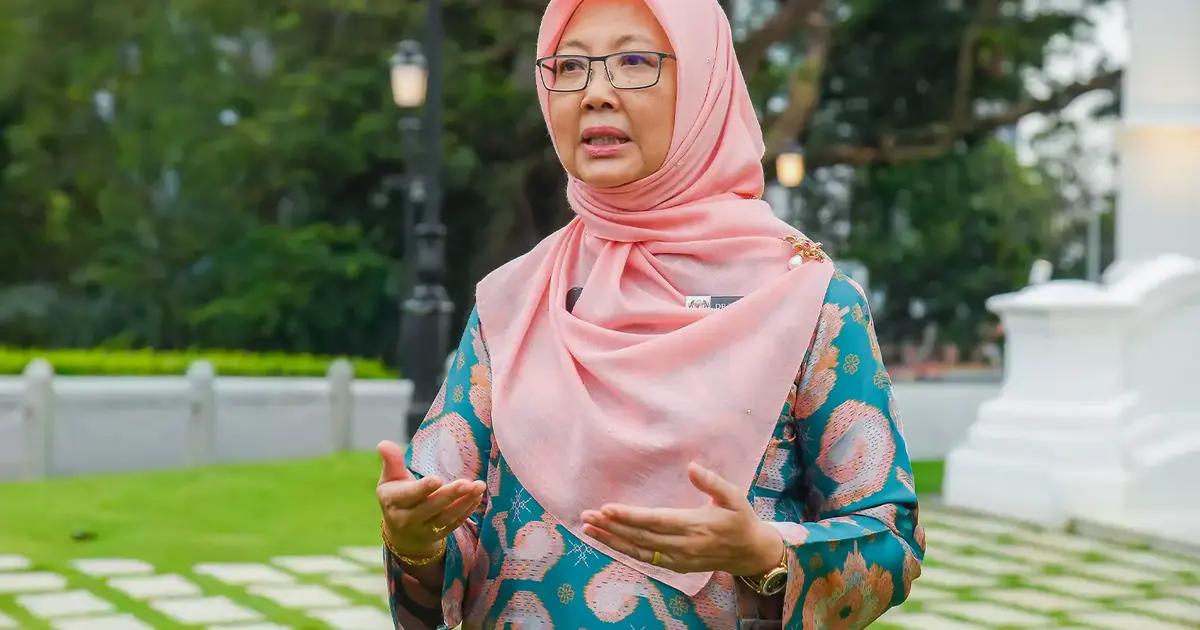
PKR vice-president Zaliha Ahmad has cast doubt on a request from Johor BN chairman Onn Hafiz Ghazi for Pakatan Harapan to publicly declare its preferred candidate for menteri besar ahead of the Johor state election. She questioned the logic of naming such a figure when there remains no assurance that the designated candidate would ultimately secure the chief minister position after polling day.
Zaliha's remarks highlight the complex political dynamics unfolding in Malaysia's southern state, where the opposition coalition faces mounting pressure to present a unified and recognizable face to voters. The demand from the ruling Barisan Nasional establishment in Johor reflects a broader strategy to force the hand of the opposition and potentially expose internal divisions within Pakatan Harapan's coalition ranks. By insisting on advance disclosure of a poster boy, BN appears intent on narrowing the opposition's tactical flexibility and setting terms for the electoral contest.
The PKR leader's bewilderment points to a fundamental asymmetry in electoral positioning. In Malaysia's constitutional framework, the menteri besar is appointed by the state ruler following an election, rather than being directly elected by voters as occurs in some federal systems. This distinction creates an inherent unpredictability that complicates opposition strategy. Even if Pakatan Harapan wins sufficient seats to claim the right to form government, the Johor Sultan retains discretionary authority over whom to appoint to the chief minister role, provided they command majority support in the state assembly.
This constitutional reality means that naming a specific candidate before the election carries considerable political risk for the opposition coalition. Should Pakatan Harapan secure the necessary seats but the sultan appoint a different candidate—whether due to personal preference, intercoalition negotiations, or other considerations—the opposition would face embarrassment and accusations of overstating its control over outcomes. Historical precedent in Malaysian politics demonstrates that rulers occasionally exercise their prerogative to select menteri besar in ways that surprise or displease the leading coalition.
For Johor specifically, the political landscape remains highly competitive and fractious. The state has long been a Barisan Nasional stronghold, with deep-rooted networks of patronage and institutional dominance that Pakatan Harapan has struggled to overcome. The 2022 state election saw BN retain control despite national upheaval, underscoring Johor's conservative electoral character. Any attempt by the opposition to project confidence about a specific menteri besar candidate risks appearing presumptuous to voters who may harbor doubts about whether Harapan can genuinely win.
Zaliha's position also reflects internal coalition considerations within Pakatan Harapan itself. The opposition bloc comprises several distinct parties—PKR, DAP, and Amanah—each with ambitions and constituencies to protect. Declaring a single poster boy before internal negotiations and seat allocation discussions are finalized could trigger accusations of one party dominating coalition affairs. Different components have legitimate claims to leadership roles in different states based on electoral performance and representation. In Johor, where PKR and DAP have distinct organizational bases, prematurely elevating one figure could provoke tensions that undermine the coalition's electoral campaign.
The demand also reflects Barisan Nasional's apparent strategy to shift the narrative away from its own leadership and governance record in Johor. By focusing attention on who Harapan intends to appoint as menteri besar, BN sidesteps questions about its tenure, development record, and policy platform. This tactical maneuver forces opposition leaders into responding mode rather than attacking mode, a dynamics that typically favors the incumbent establishment.
From a broader Malaysian perspective, this exchange reveals the tension between presidential-style electoral politics, where candidates and their personal appeal drive campaigns, and parliamentary governance, where institutional rules and constitutional monarchies inject unpredictability. Voters increasingly expect clarity about who will lead them, yet the Malaysian system deliberately preserves ruler discretion over chief minister appointments. This structural mismatch creates genuine political dilemmas for opposition coalitions attempting to mobilize voters while respecting constitutional constraints.
Zaliha's skepticism also underscores the growing sophistication of opposition political strategy in Malaysia. Rather than meekly complying with demands that may disadvantage their electoral positioning, PKR and other Harapan components are pushing back publicly, framing the issue as a matter of constitutional propriety and electoral fairness. This assertiveness reflects the opposition's evolution from fringe actors to serious contenders for power in multiple states and at federal level.
The Johor elections remain some months away, providing time for both coalitions to refine their strategies and messaging. The opposition will likely continue resisting pressure to name a specific menteri besar candidate until closer to polling day, if at all, while maintaining that Pakatan Harapan offers the best governance alternative. Barisan Nasional, meanwhile, will seek to maintain pressure on this issue as a way of keeping the opposition coalition off-balance and highlighting what it frames as lack of clarity or internal disagreement.

