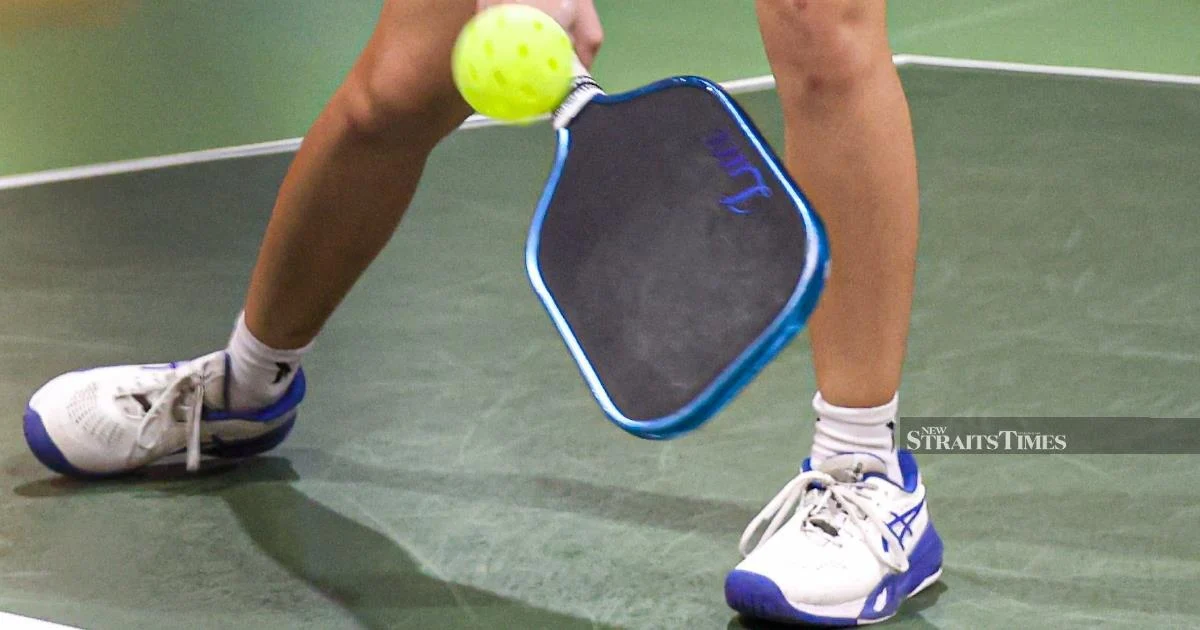
A contentious late-night pickleball game in Petaling Jaya has escalated into a broader conversation about residential planning and recreational facility management across Malaysia, with residents and advocates now questioning whether local councils possess adequate regulatory powers to protect neighbourhood quality of life.
The incident, which gained significant traction on social media, has exposed a potential gap in how municipal authorities oversee the placement and operation of sports courts in areas where residential communities predominate. What began as a specific complaint about noise and disturbance has evolved into a larger discourse about balancing recreational activity with the legitimate needs of nearby homeowners for peace and quiet during unsociable hours.
Local councillors and planning officials in the Petaling Jaya area have acknowledged that while general guidelines exist for sports facility development, the current framework may lack sufficient specificity when it comes to regulating operating hours for recreational venues situated within mixed-use residential neighbourhoods. This regulatory ambiguity has created situations where facility operators and adjacent residents find themselves in conflict, with neither party entirely clear about the legal boundaries governing permissible noise and activity levels.
Community representatives have begun advocating for a more comprehensive approach that would grant local councils explicit authority to establish binding conditions before approving new court construction or modification. Such conditions could include mandatory operating hour restrictions—for instance, prohibiting certain activities after 9 p.m. or before 8 a.m.—and requiring sound mitigation measures when venues are situated near residential buildings.
The pickleball dispute also highlights how recreational sports have become increasingly mainstream in Malaysia, with more facilities emerging to meet growing demand from enthusiasts. This expansion has coincided with rising property development in urban and suburban zones, creating the spatial overlap between recreational infrastructure and residential populations that generated the current controversy. Unlike traditional sports clubs that often occupy dedicated complexes away from populated areas, many newer pickleball courts have been developed within commercial buildings or community centres situated directly alongside residential zones.
Planning experts suggest that the solution lies not in discouraging recreational development but rather in instituting better pre-approval consultation processes. These could require facility operators to conduct impact assessments on neighbouring properties and to develop noise management plans before operations commence. Some jurisdictions have successfully implemented tiered approval systems whereby facilities in residential proximity face heightened scrutiny and more restrictive conditions than those in commercial or industrial settings.
The federal and state authorities overseeing local councils may need to issue updated guidelines clarifying which entities—be they councils, state planning authorities, or independent commissions—possess final decision-making authority on facility approvals. Current ambiguity means that disputes often cannot be definitively resolved, leaving residents and operators in prolonged uncertainty about what constitutes acceptable conduct.
For facility operators, clearer rules would provide valuable certainty about compliance requirements, potentially reducing disputes and improving the sector's public image. Conversely, residents have a legitimate interest in knowing that their living environment will be protected through enforceable standards rather than relying on goodwill or informal agreements that may not be honoured consistently.
The Petaling Jaya case underscores how recreational sports' growing popularity in Malaysia creates genuine policy challenges that deserve thoughtful attention. Rather than positioning the issue as residents versus recreational enthusiasts, authorities might frame it as establishing sustainable frameworks where both constituencies can coexist productively.
Moving forward, councils in Selangor and other major states could spearhead the development of model operating frameworks that prescribe clear protocols for evaluating recreational facility applications in sensitive locations. Such frameworks might mandate sound testing, establish permissible noise levels calibrated to residential contexts, and create enforcement mechanisms to ensure compliance. Implementing these measures would require modest investment in technical expertise but would likely prevent the accumulated cost of repeated disputes and community friction.
Malaysia's rapid urbanisation means that similar conflicts will recur unless local authorities proactively establish comprehensive regulatory standards. The pickleball dispute, while ostensibly narrow in scope, reflects a broader need to integrate sports and recreation planning with residential considerations at the municipal level.
Ultimately, the outcome of this debate will signal whether Malaysian local governance can evolve to meet the requirements of increasingly complex urban environments. Residents expect their councils to be responsive stewards of neighbourhoods, whilst operators seek reasonable freedom to develop viable businesses. Achieving that equilibrium requires clear rules, transparent processes, and councils equipped with appropriate regulatory authority—precisely what the current system appears to lack.

