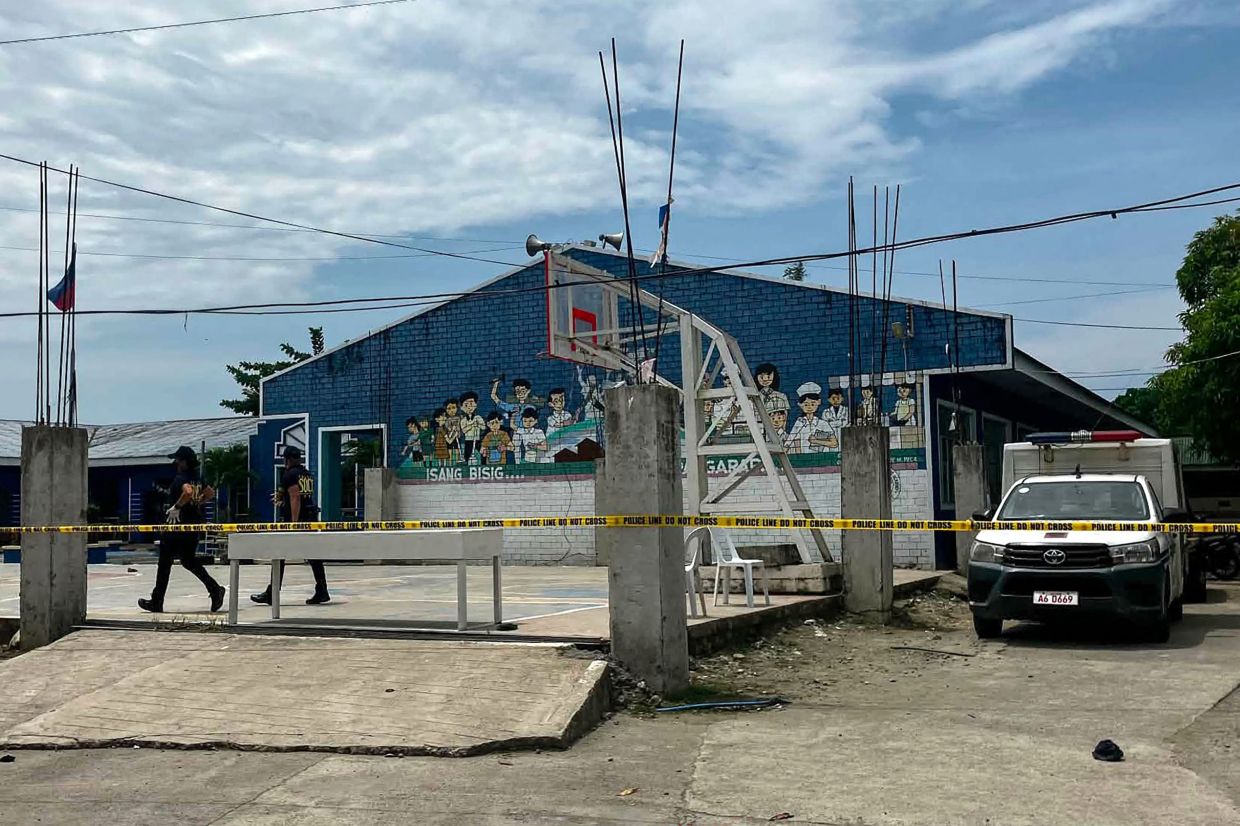
The Philippines faced a moment of national trauma on Monday when two teenage students carried firearms onto the campus of San Jose National High School in Tacloban city and unleashed a volley of gunfire that claimed three lives and left seven others injured. The brazen midday attack sent shockwaves through the nation and prompted immediate intervention from the country's highest levels of government, with President Ferdinand Marcos Jr. ordering a comprehensive review of security protocols across all educational institutions and public spaces.
The two perpetrators, aged 14 and 15, were quickly brought into police custody following the shooting at the government-run facility, which serves more than 1,500 students. According to regional police chief Brig. Gen. Jason Capoy, both suspects and all their victims were enrolled at the same school. In preliminary interviews with authorities, the teenagers cited bullying as their motive, though Capoy refrained from elaborating on the specific circumstances or the depth of the harassment they reported experiencing. Neither young man had a prior criminal history, suggesting the eruption of violence came without warning signs registered in official records.
The methodical nature of the assault became apparent as investigators reconstructed the sequence of events. The two close friends entered the school building and opened fire in one classroom, causing students to scatter in panic. Rather than stopping after the initial shooting, the suspects pursued fleeing victims into a second room, demonstrating a continuation of intent rather than an impulsive act. Forensic teams recovered at least 40 spent shell casings from the scene, indicating sustained and concentrated gunfire during the attack. The vast majority of both fatalities and wounded were female students, though authorities did not specify the exact gender breakdown or the nature of injuries sustained.
A critical gap in institutional security facilitated the tragedy. The school's single security guard proved inadequate to monitor the multiple entrances and exits across the sprawling campus, allowing the armed teenagers to bring their weapons past the perimeter without detection. One suspect had obtained a 9-millimetre pistol from his aunt, a serving police officer, who now faces investigation for her role in providing access to the firearm. The second attacker carried a calibre 38 revolver, indicating that both weapons originated from sources within the Philippine security or civilian firearms ecosystem.
Harrowing scenes of the attack's aftermath emerged through videos recorded by frightened students. Footage showed young people cowering beneath classroom desks while gunshots continued outside their doors, some whimpering and making tearful phone calls to their mothers. Other recordings captured the frantic evacuation, with terrified adolescents streaming from the building, many clinging to one another for emotional support. These images of raw fear transmitted the psychological impact of the violence far beyond the physical casualties inflicted.
The suspects' apprehension unfolded unevenly. One was arrested directly on campus shortly after the shooting ceased, but his accomplice managed to flee and seek refuge in a nearby residence. Police located the fugitive after residents alerted authorities to his presence, preventing what might otherwise have developed into a prolonged standoff or extended investigation.
The Philippine legal system will substantially limit how these cases proceed. The 14-year-old falls below the minimum criminal liability threshold established by a 2006 law setting age 15 as the cutoff for prosecution. Even the 15-year-old would require authorities to prove clear awareness of the criminal act and understanding of its consequences before charges could proceed. Both teenagers will ultimately be transferred to government welfare officers rather than the conventional criminal justice system, raising ongoing questions about accountability and rehabilitation in cases involving minors who perpetrate mass violence.
President Marcos Jr. responded swiftly to the incident, ordering intensive security reviews and directing law enforcement to strengthen protective measures at schools, offices, and public gathering places throughout the nation. Communications Undersecretary Claire Castro conveyed the president's distress, acknowledging the emotional toll on parents and the broader community witnessing such violence at an educational facility traditionally regarded as a sanctuary for young people.
The incident occurs within a troubling context of firearm-related crime in the Philippines, where unlicensed and illegally circulating weapons remain endemic despite regulations. However, school shootings specifically represent a comparatively uncommon phenomenon in the country, distinguishing this event as particularly jarring within the national consciousness. A 2022 incident at an upscale university in the Manila metropolitan area, in which a gunman killed a former town mayor alongside two other victims during graduation festivities, remains the closest recent parallel, though that attack stemmed from a personal vendetta rather than institutional grievances.
The Tacloban shooting raises urgent questions about bullying prevention protocols in Philippine schools, the sufficiency of campus security infrastructure, and the pathways by which firearms accessed by law enforcement personnel reach civilians capable of deploying them against communities. These questions will occupy investigators, policymakers, and the educational establishment as the nation processes the tragedy and contemplates preventive measures to forestall similar violence in future.

