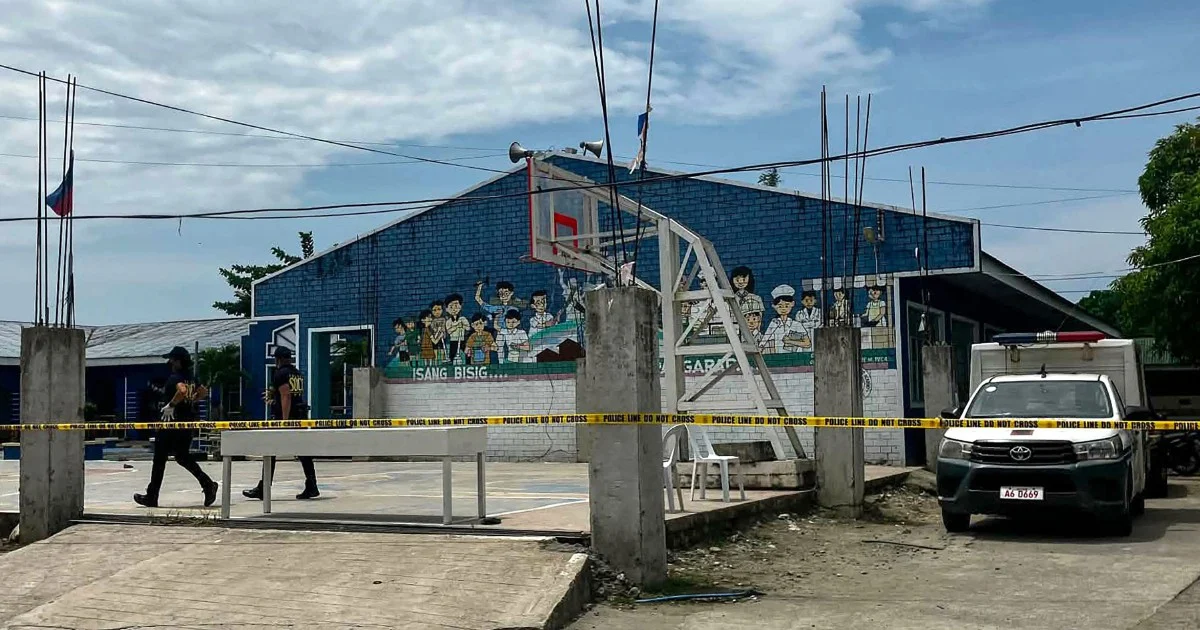
Philippine President Ferdinand Marcos Jr has initiated a formal investigation into a shooting incident at a school in Tacloban that resulted in three fatalities and five injuries, underscoring mounting concerns about security lapses at educational institutions across the Southeast Asian nation.
The decision to probe the circumstances surrounding the Tacloban school shooting represents a significant response from the presidential office, signalling government attention to what many observers characterise as an emerging pattern of armed violence within spaces traditionally considered sanctuaries for learning and youth development. The severity of the incident—resulting in multiple casualties within a single day—has prompted calls for systemic reassessment of campus security protocols and firearm regulations throughout the Philippines.
Tacloban, the capital of Leyte province, has experienced its share of security challenges in recent years, though incidents of this magnitude at educational facilities remain serious departures from relative normalcy. The city's educational community now faces renewed anxiety about student and staff safety, with parents questioning whether existing protective measures adequately address the threat of armed intruders gaining access to school grounds during operational hours.
The investigation ordered by Marcos Jr will likely examine multiple dimensions of the incident, including how the shooter obtained access to the premises, whether warning signs were missed by administrative or security personnel, and what gaps exist in current firearms legislation. Such inquiries typically scrutinise the role of local law enforcement response times and the adequacy of emergency protocols established within school facilities.
For Malaysian readers and Southeast Asian observers, this incident resonates within a broader regional context where school safety has become an increasingly contentious policy matter. While mass shooting incidents remain comparatively uncommon in Southeast Asia relative to other regions globally, their occurrence triggers significant public alarm precisely because educational institutions are spaces where families entrust their most vulnerable members. The Philippines' experience serves as a cautionary case study for neighbouring nations evaluating their own institutional security frameworks.
The implications extend beyond immediate criminal investigation into questions of regulatory reform. Gun access in the Philippines remains substantially more liberal than in most Southeast Asian counterparts, reflecting different constitutional protections and historical traditions regarding civilian firearm ownership. This differential access creates distinct public safety challenges that policymakers must navigate while balancing individual rights with collective security interests.
Within the Philippines itself, the incident comes amid ongoing national conversations about the effectiveness of existing criminal justice mechanisms and whether current laws adequately restrict weapons access among individuals posing elevated risk. Advocates for stricter firearm regulations will likely leverage this tragedy to advance legislative proposals that have encountered political resistance from constituencies opposing what they perceive as excessive government intrusion into personal freedoms.
School communities throughout Tacloban and broader Leyte province face immediate psychological consequences extending well beyond the three fatalities and five wounded. Trauma counselling services, facility repairs, and restoration of operational confidence within the educational system will require sustained institutional commitment and resource allocation. Students' attendance patterns, parental enrollment decisions, and teacher retention may all experience disruption as psychological impacts unfold over subsequent months.
The presidential investigation may also illuminate whether previous incidents at educational institutions in Tacloban or neighbouring areas went inadequately addressed, revealing patterns that administrative failures might have allowed to escalate. Understanding historical context around school security in the region could prove instrumental in developing more comprehensive preventive strategies rather than merely reactive measures implemented after tragedy strikes.
From a regional security perspective, the Tacloban incident demonstrates how individual nations' regulatory choices regarding firearms ownership create distinct vulnerability profiles. Comparisons with neighbouring countries where school shootings remain extraordinarily rare underscore how policy frameworks, cultural attitudes toward guns, and enforcement mechanisms collectively shape outcomes. For Philippines policymakers, this moment offers opportunity to engage substantively with evidence regarding which interventions demonstrably reduce armed violence while respecting legitimate competing values within their democratic context.
The investigation process itself will face scrutiny regarding thoroughness, independence, and whether findings generate meaningful institutional reform or devolve into procedural exercises that ultimately fail grieving families seeking systemic accountability. Public confidence in governmental institutions often hinges on whether crises catalyse substantive change or merely superficial responses.
Looking forward, the investigation's conclusions may influence broader Southeast Asian discussions about educational security standards, prompting regional dialogue among national education ministers about shared best practices for preventing armed violence while preserving open, welcoming campus environments. Malaysia, with its own distinct but comparable challenges around public safety and institutional security, may draw relevant lessons from how Philippines authorities address the underlying conditions that permitted this tragedy to occur.

