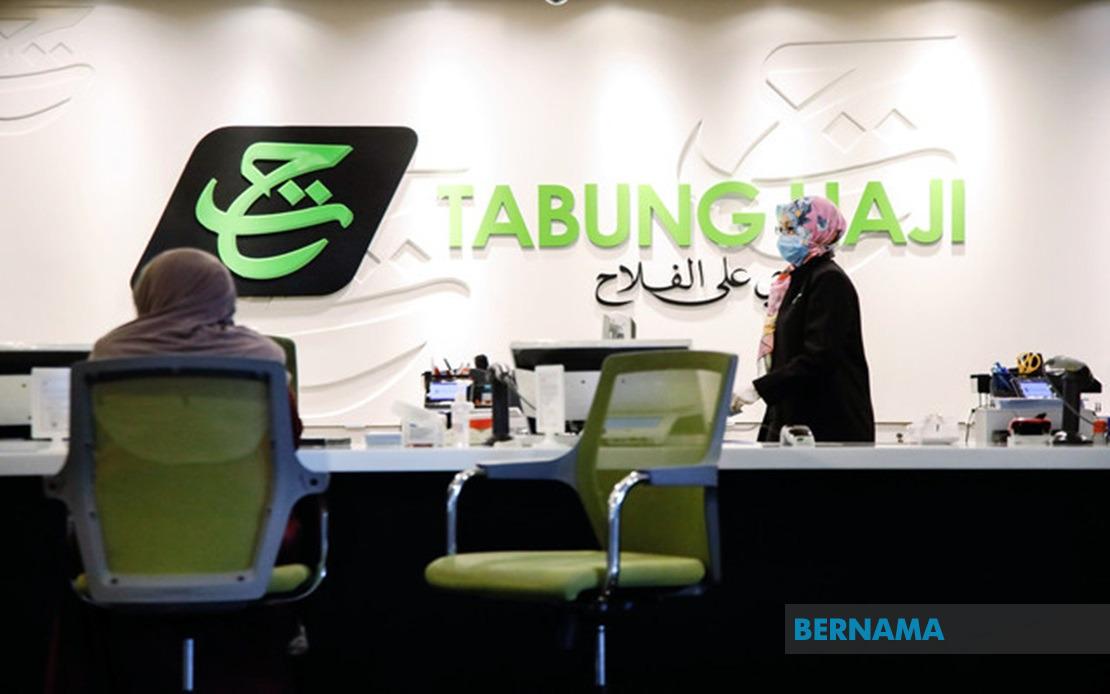
The opposition coalition Pakatan Harapan has intensified calls for the government to move decisively on findings from a recently declassified Royal Commission of Inquiry into Lembaga Tabung Haji, emphasising the need for robust legal consequences against those implicated in past mismanagement. Speaking in Seremban, PH Election Department Secretariat chief Saifuddin Shafi Muhammad underscored that restoring public confidence in the pilgrim fund represents a critical priority, particularly given that approximately nine million Malaysian Muslims hold deposits with the institution.
The 211-page RCI report, which the Cabinet agreed to declassify and publish through the Department of Islamic Development Malaysia (JAKIM), covers TH's management and operational practices spanning the period from 2014 to 2020—a timeframe that encompassed significant institutional challenges. Saifuddin's statement represents PH's official position that comprehensive investigation coupled with uncompromising legal prosecution must accompany the report's public disclosure, signalling the coalition's stance that accountability cannot be deferred or diluted for political considerations.
The significance of the Tabung Haji institution cannot be understated within Malaysia's context. As the sole state-backed pilgrim fund managing the savings of millions of ordinary Malaysians preparing for the Hajj pilgrimage, the organisation holds a position of extraordinary public trust. Any breach of fiduciary responsibility therefore extends beyond mere financial mismanagement to constitute a betrayal of religious duty and national obligation. Saifuddin's reference to depositors' savings as a "sacred responsibility" reflects this deeper dimension, framing the matter not merely as a governance issue but as a fundamental question of institutional integrity.
While PH demands swift prosecution, the coalition has also acknowledged steps already undertaken by the current administration under Prime Minister Datuk Seri Anwar Ibrahim. Saifuddin noted that 75 per cent of the RCI's recommendations have already been implemented, demonstrating movement on institutional reform. Notably, the government has already declared a 3.5 per cent dividend for 2025, and TH's financial position has improved to the point where assets now exceed liabilities—a substantial turnaround from the fund's previous precarious financial condition that had alarmed depositors and policymakers alike.
A particularly significant reform highlighted involves the formal prohibition barring politicians from serving in Tabung Haji and its subsidiary entities. This structural change addresses one of the governance vulnerabilities that likely facilitated prior misconduct, removing the conflict of interest inherent in allowing elected officials to occupy decision-making positions within a fund managing millions in depositor savings. Such reforms reflect recognition that institutional safeguards must be rebuilt from foundational principles rather than relying on the integrity of individual officeholders.
PH's emphasis on strengthened governance mechanisms and enhanced independence for oversight functions points to broader concerns about how institutional vulnerabilities develop and persist. The opposition coalition is essentially arguing that releasing the report publicly, while necessary, constitutes only the opening phase of accountability. Without substantive legal consequences for documented misconduct and without structural improvements to prevent recurrence, the public disclosure risks becoming merely symbolic rather than catalysing genuine reform. This reflects a sophisticated understanding that transparency alone, while important, cannot substitute for prosecutorial follow-through.
The decision to declassify the report, announced by Communications Minister and MADANI Government spokesperson Datuk Seri Fahmi Fadzil, represented a significant shift toward transparency compared to previous administrations' handling of sensitive institutional matters. By making the findings publicly accessible through JAKIM's website, the government enabled independent scrutiny and created documentary evidence that could support legal proceedings against those identified in the inquiry as responsible for misconduct. This public disclosure itself represents a departure from governance patterns that historically treated such matters confidentially.
For ordinary Malaysian depositors who have entrusted their savings to Tabung Haji, the RCI findings and subsequent prosecutions carry profound implications. Many rely on the fund's returns to finance their pilgrimage obligations, viewing deposits as investments in fulfilling one of Islam's fundamental pillars. Misconduct that eroded the fund's financial position therefore represented not merely a financial loss but an interference with religious practice and personal planning. Saifuddin's framing of this dimension underscores that the matter carries moral and spiritual weight beyond standard financial regulation.
The Malaysian context amplifies the political significance of Tabung Haji institutional failures. As a fund serving a Muslim-majority nation with an Islamic identity embedded in the constitutional framework, TH's governance failures were consistently weaponised in political discourse. The opposition coalition's emphasis on accountability therefore serves both a principled governance objective and a political interest in demonstrating that their administration would handle such matters with appropriate seriousness. Conversely, the current government's implementation of 75 per cent of recommendations suggests an effort to signal competence in managing inherited institutional problems.
Looking forward, the trajectory of prosecutions and additional reforms will shape perceptions of both the government's commitment to accountability and the broader institutions governing Malaysia's Islamic financial sector. Should legal consequences follow the report's release, it would signal that declassification represents a genuine commitment to accountability rather than mere public relations management. Conversely, if prosecutions lag or recommendations remain partially implemented, critics would argue that the transparency exercise functioned primarily to contain reputational damage while protecting actors involved in prior misconduct.
The nine million depositors represented in this matter constitute a substantial portion of Malaysia's Muslim population, making their confidence in institutional integrity a matter of significant national consequence. PH's insistence on swift action reflects recognition that delayed accountability gradually erodes public trust, particularly in faith-based financial institutions where depositors' participation depends substantially on belief in institutional honesty. The coming months will reveal whether the government matches rhetoric about accountability with substantive legal and administrative consequences.

