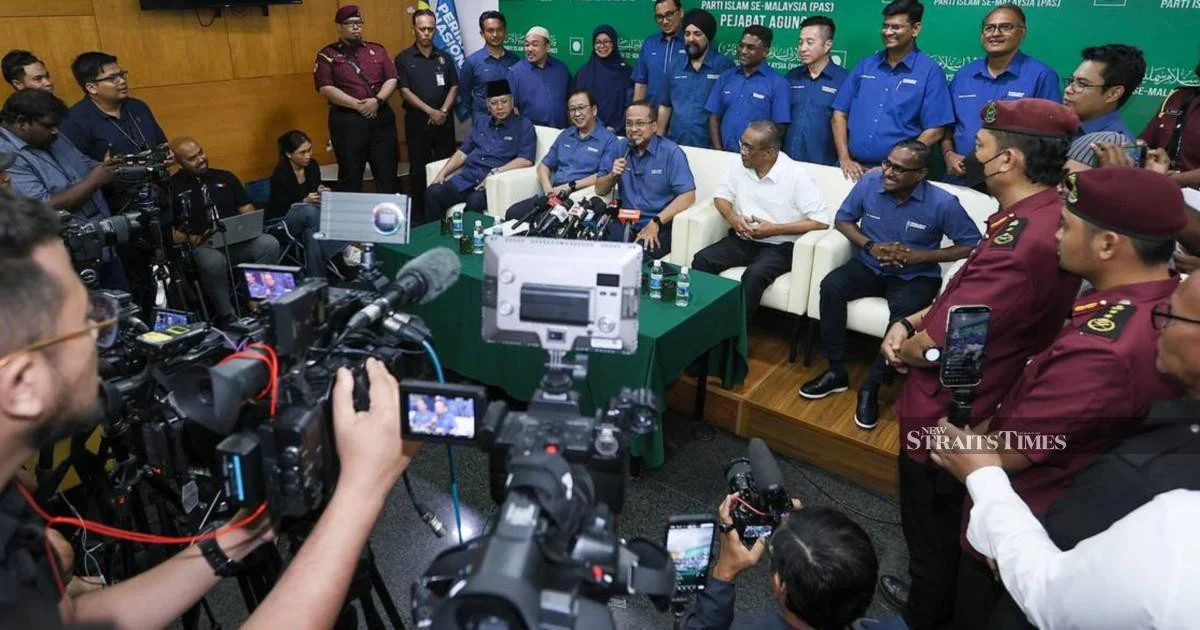
Perikatan Nasional convenes in Kuala Lumpur today to conclude the contentious process of dividing Johor state election constituencies among its component parties, a decision that will shape the coalition's electoral strategy in one of Malaysia's most politically significant states. The special meeting represents a critical juncture for the opposition alliance, which has been negotiating internally to reach consensus on which seats individual parties will contest in the forthcoming Johor ballot. Such arrangements typically reflect relative party strength, electoral performance history, and political leverage within the broader coalition.
The allocation process carries substantial implications beyond Johor itself. The state remains a crucial battleground where support has shifted noticeably in recent electoral cycles, making efficient seat distribution crucial for PN's competitive positioning. How the coalition divides available constituencies will signal internal power dynamics and test the unity of the partnership, particularly between its dominant components and smaller partner parties that compete for winnable seats. The transparency and fairness of the outcome will influence internal party morale heading into campaigning.
For Malaysian observers tracking opposition politics, this allocation typically reveals which parties PN's leadership considers essential alliance partners and which receive marginal roles. The negotiation process often proves more fractious than public statements suggest, as component parties lobby aggressively for constituencies they believe they can win. Smaller coalition members frequently face pressure to accept less-attractive seats in exchange for the strategic benefits of running under a united banner. The final allocation thus becomes a barometer of actual influence distribution within the opposition bloc.
Johor's electoral landscape presents particular complexity. The state contains 56 state assembly seats, each requiring careful assessment regarding demographic trends, incumbent performance, and voter sentiment. Some constituencies are considered reasonably safe for particular parties based on historical voting patterns, whilst others remain genuinely competitive, generating considerable internal debate during allocation discussions. PN components must balance aspirations for additional seats against pragmatic recognition of where they possess competitive advantage.
The coalition faces a delicate balancing act between its constituent parties' ambitions and electoral viability. Allocating seats to parties without genuine on-ground presence risks wasting valuable constituencies on uncompetitive candidates, whilst concentrating seats among the strongest performers may alienate smaller partners and weaken coalition cohesion. The special meeting today will determine whether PN has resolved these tensions or merely deferred deeper disputes into the campaign period itself.
From a broader regional perspective, PN's performance in Johor carries implications for Malaysian federalism and national politics. If the coalition performs strongly, it strengthens the opposition's narrative that it represents a credible alternative government and validates its partnership model. Conversely, poor results would suggest either that the coalition's internal divisions undermine its electoral effectiveness or that voters remain unconvinced by its policy agenda. The seat allocation process thus serves as an early indicator of how cohesively PN intends to contest the state election.
The timing of today's meeting suggests that PN leadership has concluded sufficient internal negotiations to move forward with final decisions. Delaying further would compress the campaign timeline and disadvantage candidates who require time to prepare voter outreach efforts. Most established political coalitions typically resolve seat allocations weeks before election declarations to permit adequate campaigning, suggesting that PN expected completion today regardless of ongoing disagreements.
Within Johor itself, the allocation will generate considerable political commentary and speculation. Observers will scrutinise whether incumbent assemblypersons from PN-supporting parties were retained or replaced, whether emerging party figures received contestable seats, and whether the distribution reflects recent internal power shifts within component parties. Local party members and prospective candidates will immediately assess their chances of nomination and the apparent confidence their party hierarchy places in their viability.
The conclusion of this allocation process also clears the path for PN to shift focus toward campaign preparation and messaging development. With seat distribution settled, the coalition can consolidate party resources, coordinate campaign infrastructure, and present a unified electoral platform to Johor voters. The first major test of that unified campaign will reveal whether internal negotiations have produced a functional alliance or merely papered over unresolved disagreements.
Political analysts will be watching closely to identify any indications of significant dissatisfaction among component parties following the announcement. Public statements from party leaders immediately after the meeting will signal whether the allocation achieved genuine consensus or represents compromises that may create friction as campaigning intensifies. The durability of today's decisions will become apparent in the weeks ahead as nominated candidates begin grassroots mobilisation efforts across their assigned constituencies.

