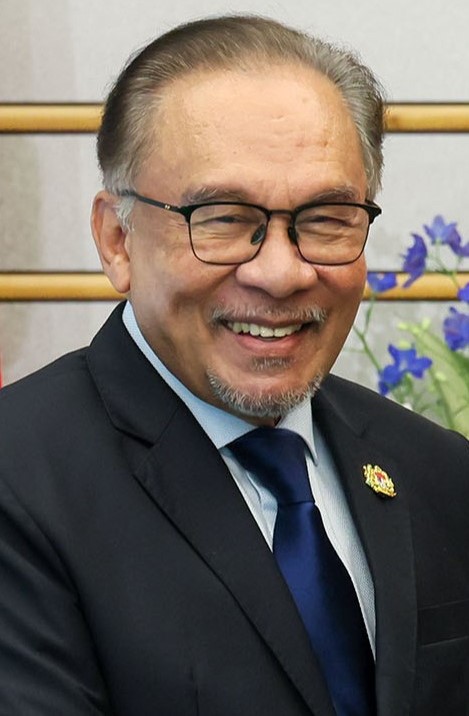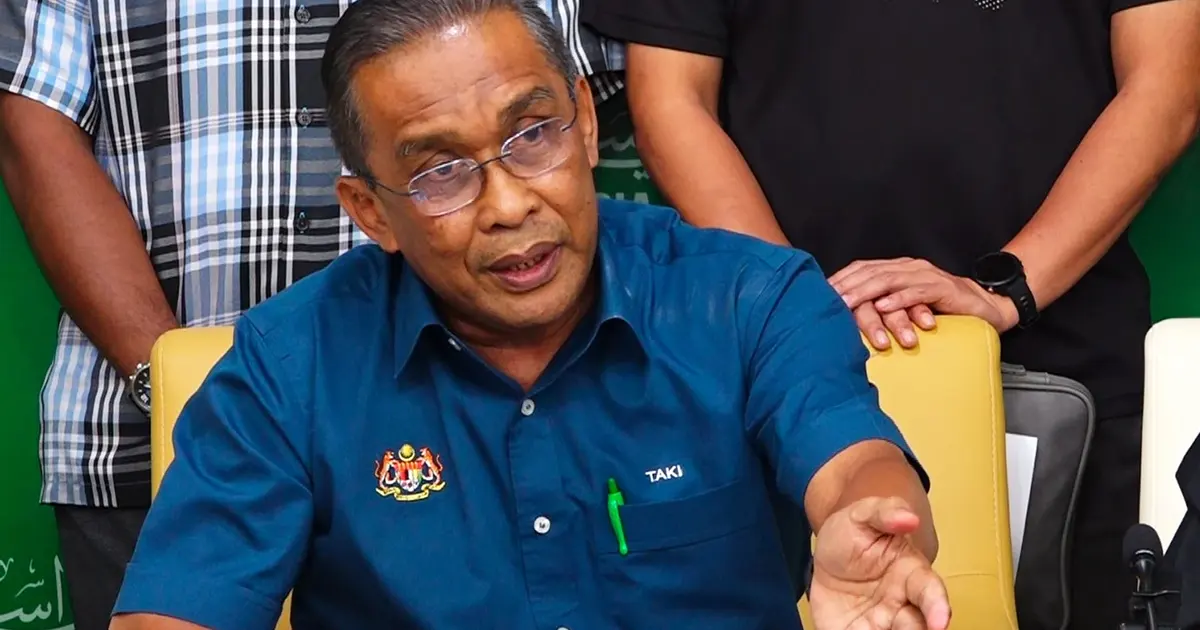
Perikatan Nasional's chief whip Takiyuddin has formally notified the Dewan Rakyat speaker of a significant leadership transition within the opposition bloc, with Hamzah Zaman, the former deputy president of Bersatu, being elevated to the position of opposition leader effective immediately. This announcement represents a recalibration of parliamentary opposition dynamics following months of coalition realignment and internal deliberation among PN's constituent parties.
The appointment carries the backing of 61 opposition MPs across the PN coalition, a demonstration of consolidated support that underscores the coalition's commitment to presenting a unified parliamentary front. This numerical backing is strategically significant in the Malaysian Parliament's current composition, positioning the opposition bloc as a formidable institutional presence capable of coordinating legislative scrutiny and alternative policy proposals during parliamentary sessions.
Hamzah Zaman's return to a prominent leadership role marks a notable development in the post-2022 political landscape, when Malaysia experienced the formation of the unity government. His previous tenure as Bersatu's deputy president established him as a recognised figure within the party's hierarchy, and his elevation to opposition leader suggests PN parties view him as possessing the requisite parliamentary experience and coalition management skills required for coordinating opposition activities across multiple parties with potentially divergent interests.
The opposition leader's role carries considerable institutional responsibilities within Malaysia's Westminster-derived parliamentary system. The individual holding this position serves as the primary spokesperson for the opposition, engages in parliamentary debates and procedural matters, receives resources allocated to the opposition bloc, and coordinates legislative strategies among opposition MPs. This formal appointment therefore represents not merely a symbolic recognition but a substantive assumption of parliamentary authority and responsibility.
For Malaysian readers monitoring parliamentary dynamics, this leadership change merits attention because opposition leaders significantly influence the quality of legislative scrutiny directed at the government. An effective opposition leader ensures that policy proposals, budget allocations, and ministerial conduct receive rigorous examination, thereby strengthening parliamentary accountability mechanisms that remain central to Malaysia's democratic functioning.
The consolidation of opposition leadership behind Hamzah Zaman following the formal notification to the speaker indicates that PN's internal discussions regarding leadership roles have reached resolution. Coalition politics frequently involve protracted negotiations over key positions, particularly in opposition arrangements where resource allocation and media prominence become contested among constituent parties. The apparent consensus on Hamzah's appointment suggests successful negotiation among Perikatan's component parties, including Bersatu, PAS, and other coalition members.
From a regional perspective, Malaysia's opposition leadership transitions reflect broader Southeast Asian patterns where political coalitions undergo continuous recalibration in response to electoral outcomes and shifting party dynamics. The manner in which PN coordinates its opposition activities, including through formal appointment of leadership roles, demonstrates institutional maturity in managing diverse political interests within a single parliamentary coalition.
The timing of this announcement, coming at the commencement of Hamzah's tenure as opposition leader, indicates systematic adherence to parliamentary protocols requiring formal notification of the speaker regarding opposition leadership designations. This procedural regularity reflects the embedding of constitutional conventions within Malaysian parliamentary practice, where institutional frameworks ensure that opposition leadership transitions proceed with clarity and transparent communication to parliamentary authorities.
Hamzah Zaman's background within Bersatu, one of PN's component parties, provides him with established relationships across the coalition's parliamentary membership. His familiarity with Bersatu's internal structures and his previous experience in party leadership positions position him to understand the dynamics of managing coalition relationships while simultaneously advancing opposition responsibilities. This experience base becomes particularly valuable when opposition activities require coordination among MPs representing different parties with occasional competing priorities.
The mobilisation of 61 MPs behind this appointment demonstrates sufficient numerical consensus to avoid contested opposition leadership elections, which occasionally occur in Malaysian parliamentary history. This unified backing provides Hamzah Zaman with a clear mandate to represent the opposition bloc and pursue parliamentary activities with the knowledge that his position commands substantial backing within his own coalition, reducing the likelihood of internal challenges that could undermine parliamentary opposition effectiveness.
Moving forward, Malaysian observers should monitor how Hamzah Zaman utilises his new position to strengthen opposition parliamentary performance. The opposition leader's effectiveness will partly depend on his ability to maintain coalition cohesion while mounting legislative scrutiny, a delicate balance requiring both strategic vision and interpersonal skill. The quality of opposition parliamentary work during coming legislative sessions will provide concrete indicators of whether this leadership transition strengthens PN's institutional capacity for opposition governance.