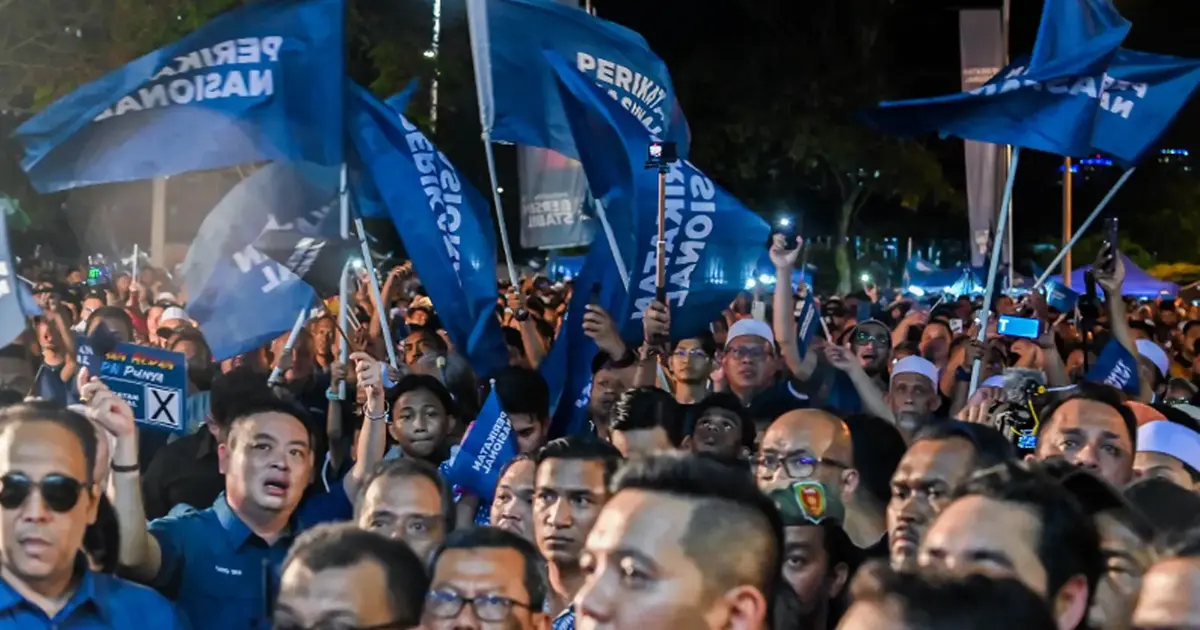
The Perikatan Nasional coalition faces an increasingly precarious situation as the festering dispute between its two principal components—the Islamist PAS party and the Bersatu faction—threatens the alliance's structural integrity. According to Yusri Ibrahim, chief researcher at the Ilham Centre, the deteriorating relationship has moved beyond conventional political disagreement into what he characterises as a destabilising 'guerrilla war' dynamic that could ultimately force the coalition apart.
The characterisation reflects a broader pattern of escalating friction within PN, which has served as a crucial political bloc since its formation. What began as policy disagreements and leadership tensions has evolved into a more corrosive struggle, with both parties engaging in public recriminations and positioning manoeuvres that undermine collective decision-making. The guerrilla warfare metaphor suggests a state of constant, unpredictable skirmishing rather than direct confrontation, with each side attempting tactical advantages through back-channel maneuvering, public statements, and competing narratives about the coalition's direction.
For Malaysian political observers, the PN's potential disintegration carries significant implications for the broader electoral landscape. Since the 2022 elections, PN has positioned itself as a substantial opposition force and, at various junctures, as a potential alternative government. The coalition's collapse would reorient Malaysian politics substantially, potentially fragmenting the opposition vote and reshaping parliamentary alignments. PAS, as the dominant partner in terms of grassroots support and electoral machinery, could pursue an independent trajectory, while Bersatu would face severe organisational challenges if forced to operate outside a broader coalition framework.
The underlying causes of tension between PAS and Bersatu reflect both ideological and pragmatic divisions. PAS, with its substantial rural and religious base, operates from a theocratic perspective and has consistently prioritised Islamisation policies. Bersatu, by contrast, represents a more centrist orientation that seeks broader electoral appeal across urban and multi-ethnic constituencies. These fundamental differences have periodically erupted into conflict over policy priorities, campaign strategies, and resource allocation within the coalition structure.
Personality clashes and leadership ambitions further complicate the relationship. Within the PN framework, questions persist about which party should command primacy in negotiations with other political actors and in determining coalition policy. Both entities harbour leaders with distinct visions for Malaysia's political future, and the absence of clear hierarchical resolution mechanisms has allowed grievances to accumulate and intensify. The 'guerrilla war' characterisation captures this reality—constant tactical manoeuvring without decisive moments that might force a definitive resolution one way or another.
Yusri Ibrahim's assessment gains weight given the Ilham Centre's reputation for non-partisan policy analysis. His identification of a specific phase transition in the coalition's dysfunction suggests the conflict has moved beyond recoverable through standard political negotiation. When an analyst describes internal party conflict in warfare terminology, it typically indicates that conventional consensus-building and compromise mechanisms have failed. This assessment should concern PN's leadership, as it implies external intervention or structural reform would be necessary to preserve the alliance.
The timing of these tensions also merits consideration within Malaysia's broader political context. With the next general election potentially approaching within the next few years, both PAS and Bersatu face electoral pressures that incentivise independent positioning over coalition loyalty. Should the economic situation deteriorate or the current government face significant scandals, both parties might calculate that their electoral interests are better served by separating and appealing directly to their respective bases. The coalition's utility as a political vehicle diminishes if its constituent parts believe they can achieve better outcomes independently.
Regional implications deserve attention as well. ASEAN political observers monitor Malaysian coalition dynamics closely, as the country's stability and governance directly affect regional economic relationships and diplomatic coordination. The potential fragmentation of a significant opposition coalition could create a period of political fluidity that might affect Malaysia's international positioning and economic policy consistency. Investors and trading partners value predictable governance, and prolonged coalition instability creates uncertainty about policy continuity.
For ordinary Malaysian voters, the unravelling of PN would represent yet another cycle of coalition realignment in Malaysian politics. Since 2018, voters have witnessed rapid shifts in governing coalitions, opposition partnerships, and electoral blocs. Continued instability in these arrangements contributes to broader voter frustration and declining confidence in political institutions. The electorate has demonstrated increasing volatility as a result, shifting support between blocs based on immediate circumstances rather than sustained party loyalty.
The resolution of the PAS-Bersatu dispute remains uncertain. Some PN leaders might pursue mediation and structural reforms to restore functioning mechanisms for dispute resolution. Others may conclude that separation serves their interests more effectively than continued coalition membership. The next months will reveal whether PN leadership can arrest the guerrilla-phase deterioration through decisive intervention, or whether the alliance slides inexorably toward fragmentation.