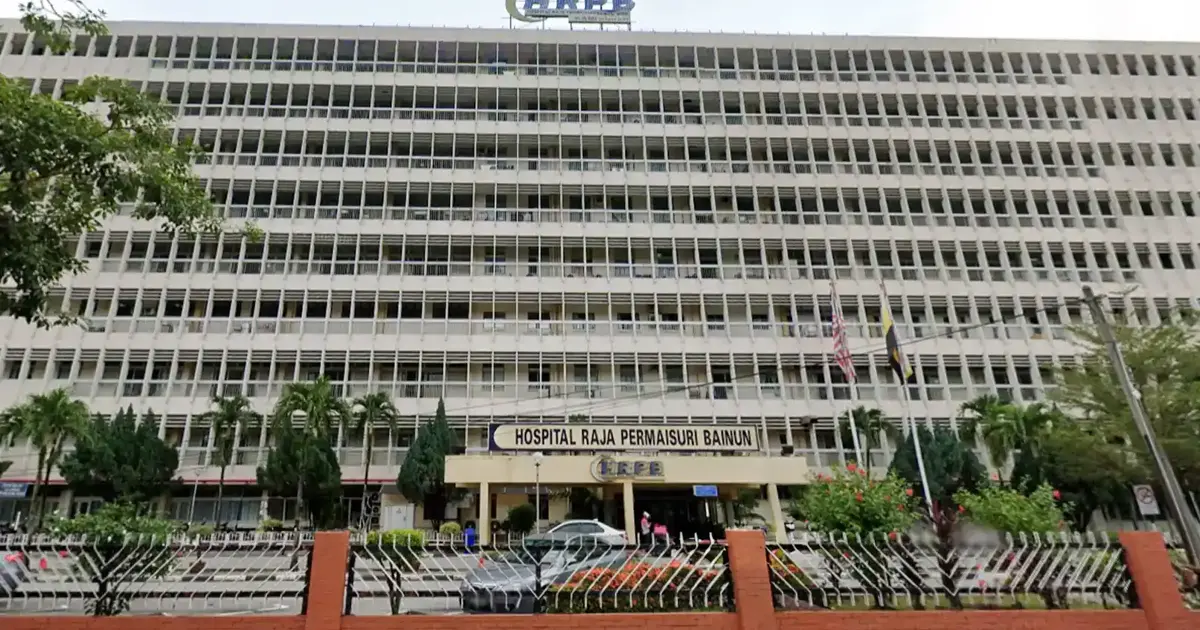
The Perak State Education Department (JPN Perak) has initiated a formal internal investigation into an incident involving a student fall, signalling the seriousness with which state authorities are treating the matter. The department has simultaneously confirmed its full cooperation with the Royal Malaysia Police, indicating that the incident has triggered a dual-track investigative approach combining administrative scrutiny with criminal procedural oversight.
This coordinated response underscores growing institutional attention to student safety within Perak's education system. When both education authorities and law enforcement become involved, it typically suggests that preliminary assessments have identified potential concerns that warrant thorough examination. The decision to launch separate but parallel investigations reflects standard protocol in Malaysia for incidents occurring within school premises that may have resulted in injury or raise questions about duty of care.
The internal inquiry conducted by JPN Perak will likely focus on establishing a detailed timeline of events, examining whether proper safety protocols were in place, assessing supervision standards at the time of the incident, and determining whether any procedural lapses occurred. Such inquiries typically involve statements from witnesses, including students, teachers, and administrative staff present at the location. The department may also review security camera footage if available and examine maintenance records of the area where the fall occurred.
Parallel police involvement introduces a separate investigative dimension concerned with establishing facts relevant to potential criminal liability or negligence. The police investigation may examine whether the incident resulted from environmental hazards, insufficient safety measures, or failures in institutional responsibility. This broader investigative scope helps determine whether charges might be warranted or whether the incident represents an unavoidable accident despite reasonable precautions being in place.
For Malaysian parents and school communities, such incidents inevitably raise concerns about campus safety standards. The presence of formal investigations, while necessary for accountability, can fuel anxiety about whether their children attend adequately supervised and maintained facilities. Education departments across Malaysia have faced increasing scrutiny over infrastructure conditions, particularly in older school buildings where maintenance may lag behind growing student populations.
The timing and outcome of both inquiries will be crucial in shaping public perception and policy responses. If investigations reveal systematic safety failures, JPN Perak may be compelled to implement facility upgrades, revise supervision protocols, or introduce additional safety training for staff. Conversely, if inquiries determine the incident was unavoidable despite reasonable safeguards, authorities can communicate this clearly to reassure stakeholders that existing measures remain adequate.
This incident reflects broader regional conversations about institutional accountability in Southeast Asia. Malaysian education authorities have become increasingly transparent about investigating problematic incidents, partly due to heightened social media scrutiny and parental expectations for detailed explanations. The dual investigation approach signals responsiveness to public demand for both internal accountability and independent verification through law enforcement.
For Perak specifically, this matter contributes to a larger narrative about education sector governance. The state has been implementing various modernisation initiatives, and how authorities handle post-incident investigations affects confidence in these broader reforms. Demonstrating thorough, transparent investigative processes can actually strengthen institutional credibility, while delays or perceived inadequacy in investigations can undermine public trust.
The cooperation between JPN Perak and police also highlights the complementary roles these institutions play in the Malaysian safety framework. Education departments bring institutional knowledge and focus on systemic improvements, while police investigation ensures impartiality and establishes facts relevant to potential legal consequences. This collaborative model has become standard practice for serious school incidents nationwide.
Stakeholders including parents, student unions, and education advocacy groups will likely await updates from both investigative processes. In the Malaysian context, transparency in such matters has become increasingly important, with public expectation that authorities will communicate findings and any remedial actions undertaken. The precedent set by how JPN Perak handles this inquiry may influence how other state education departments approach similar future incidents.
Moving forward, the comprehensive nature of these investigations will determine what lessons emerge for Perak's education sector. Whether the incident reveals need for facility renovations, staff retraining, enhanced supervision protocols, or simply represents an unforeseen accident, the investigative findings should inform specific, measurable improvements to campus safety. For Malaysian parents, the value of such incidents ultimately lies not in blame assignment but in institutional learning that prevents recurrence.

