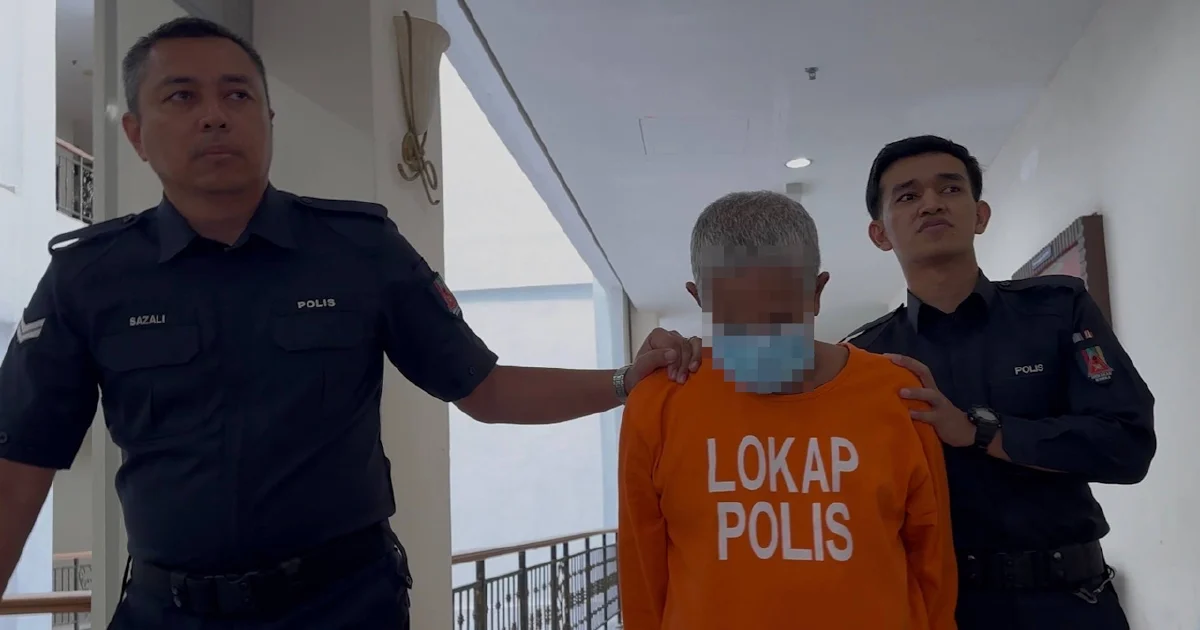
A 67-year-old pensioner in Muar received a substantial custodial sentence at the Sessions Court yesterday, drawing considerable attention to the growing concern over intra-family sexual abuse cases in Malaysian jurisdictions. The court imposed a 33-year prison term combined with 14 strokes of the cane following his guilty plea to five counts of rape and sexual assault perpetrated against his two granddaughters. The case underscores the vulnerability of children within domestic environments and the serious consequences courts impose for such violations of trust and familial bonds.
The severity of the sentencing reflects judicial determination to protect minors from predatory conduct by trusted caregivers. Courts across Malaysia have increasingly recognised that sexual crimes against children warrant stringent punishment, particularly when perpetrated by family members entrusted with their care and protection. The combination of imprisonment and corporal punishment demonstrates the multi-faceted approach Malaysian courts take when addressing crimes that represent profound breaches of fundamental family relationships and child safety principles.
Family-based sexual abuse cases present particular investigative and prosecutorial challenges. Unlike stranger crimes, these offences often occur within the privacy of households where there may be limited external witnesses or immediate disclosure opportunities. Children subjected to abuse by close relatives frequently experience psychological barriers to reporting due to family loyalties, fear of family disintegration, or concerns about consequences. The willingness of authorities in this case to proceed with charges and the offender's guilty plea suggest that sufficient evidence existed to establish the allegations beyond reasonable doubt, enabling the swift progression through the justice system.
The guilty plea itself carries significance for the child victims, sparing them the additional trauma of lengthy court testimony and cross-examination. In Malaysia's criminal justice system, guilty pleas in serious cases may facilitate earlier sentencing while avoiding the psychological toll of prolonged litigation on vulnerable witnesses. However, they also represent acknowledgment of culpability that courts take into account when determining appropriate sentences within statutory frameworks governing sexual offences.
The 14-stroke caning component warrants particular consideration within Malaysia's criminal sentencing structure. Corporal punishment remains part of the penal arsenal for serious crimes in the country, applied in conjunction with imprisonment for offences that courts deem particularly grave. The application of caning in this instance reflects the judicial system's view that additional punitive measures are warranted beyond incarceration alone, a position consistent with Malaysian sentencing philosophy for crimes against children.
Implications for child protection extend beyond the courtroom outcome. Cases of this nature prompt broader societal reflection on safeguarding mechanisms within families and communities. Relatives, schoolteachers, neighbours, and social workers serve as potential detection points for abuse, yet many cases remain unreported or undetected for extended periods. Public awareness campaigns and professional training programmes emphasising recognition of abuse indicators remain critical components of comprehensive child protection strategies across Malaysia and the region.
The 33-year sentence effectively removes the offender from society during his remaining viable years. At age 67, a 33-year prison term essentially represents a life sentence, reflecting the judiciary's assessment that the crimes warranted comprehensive incapacitation. Malaysian courts apply sentencing guidelines that consider factors including offence gravity, victim vulnerability, breach of trust, and aggravating circumstances. Multiple counts against multiple victims within a family context clearly satisfies criteria for substantial custodial terms.
Support mechanisms for the victims represent another critical dimension of justice response. Beyond the criminal conviction, affected granddaughters require access to trauma counselling, psychological rehabilitation, and family support services. Malaysian social welfare agencies maintain victim assistance programmes, though resource constraints and awareness gaps sometimes limit their reach. Ensuring comprehensive post-conviction support for child survivors constitutes an essential component of holistic justice responses to intra-family sexual abuse.
This sentencing contributes to case law precedent regarding sexual offences against minors and sentencing benchmarks for similar offences in Malaysian courts. Previous decisions establish ranges and considerations that guide future judicial determinations, ensuring consistency in sentencing approaches across different jurisdictions and cases. The evident severity of this sentence signals to potential offenders the consequences they face and reassures communities of court commitment to protecting vulnerable family members.
The case also reflects evolving attitudes towards child protection in Malaysian society. Increased reporting of such crimes, greater public awareness of abuse signs, and more robust investigation and prosecution protocols have progressively made such cases visible within the criminal justice system. However, experts acknowledge that reported cases likely represent only a fraction of actual abuse occurring within families, suggesting ongoing awareness and prevention efforts remain essential.

