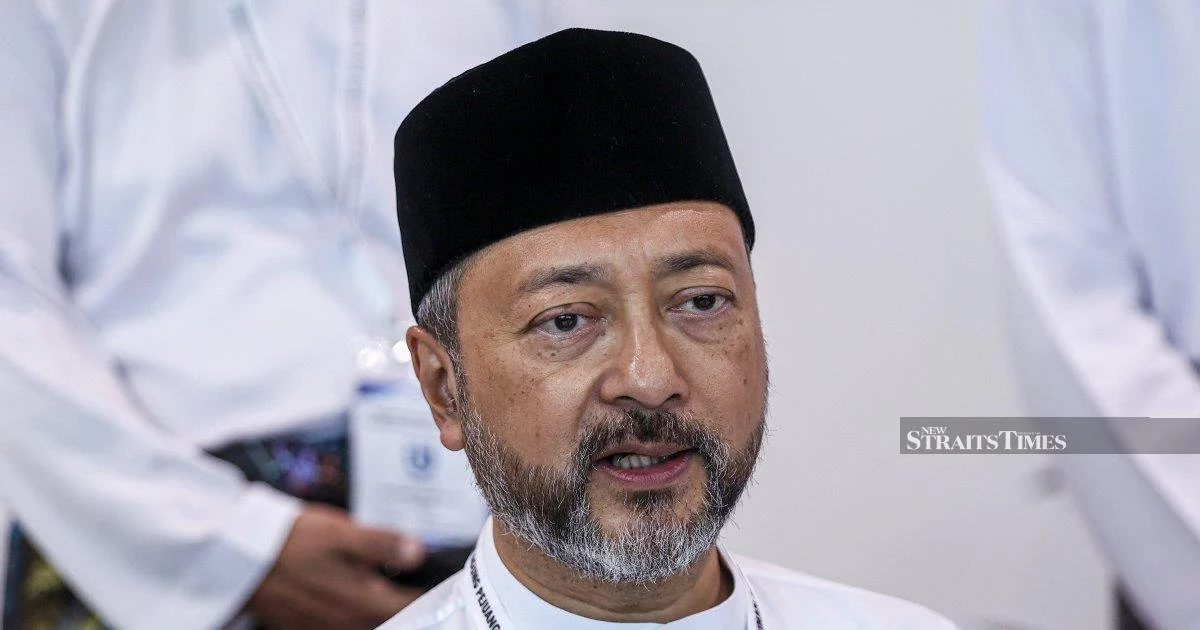
Kuala Lumpur's political landscape has shifted with Parti Pejuang Tanah Air's formal entry into Perikatan Nasional, a development that signals a significant recalibration within Malaysia's opposition bloc. Party president Datuk Seri Mukhriz Mahathir framed the move not as a discrete political transaction but as an opening phase in what he describes as a comprehensive initiative to realign various political actors and create unified responses to mounting difficulties facing the nation.
The admission of Pejuang into the PN framework represents more than routine coalition expansion. For observers tracking Malaysian opposition dynamics, this development suggests a deliberate strategy to consolidate forces that have previously operated in separate orbits. The broader implication centres on whether fragmented political movements can achieve coherent coordination on policy matters and electoral strategy. Pejuang, established in 2020 and known for its focus on civil society concerns alongside traditional partisan politics, brings a particular constituency and organisational structure into PN's existing formation.
Mukhriz Mahathir's characterisation emphasises the temporal dimension of this consolidation effort. By describing it as the "beginning" of unity work, the Pejuang president signals expectations that additional movements and political figures may follow similar trajectories. This sequential framing suggests an intentional, planned process rather than opportunistic mergers of convenience. The language of addressing "growing national challenges" points toward climate change, economic management, healthcare provision, and governance transparency—issues that cross traditional party lines and resonate across diverse demographic groups in Malaysia.
The timing of this entry carries particular significance given Malaysia's position within Southeast Asia's regional context. As Thailand grapples with constitutional upheavals, Indonesia navigates questions of institutional stability, and Singapore manages strategic transitions, Malaysia's political consolidation movements are being observed as indicators of whether opposition politics can mature beyond transactional arrangements. Pejuang's inclusion into PN represents a test case for whether younger, issue-focused political formations can integrate effectively into established coalition structures without losing their distinctive platforms.
Historically, opposition coalitions in Malaysia have struggled to maintain unity across multiple electoral cycles. PH's own trajectory from historic 2018 victory to the Sheraton Move collapse demonstrates the fragility of multi-party arrangements lacking deep ideological alignment or institutional mechanisms for conflict resolution. Against this backdrop, Mukhriz Mahathir's emphasis on "broader efforts" and foundational work suggests awareness that durable unity requires more than formal membership agreements. The statement implies investments in joint policy development, shared campaign infrastructure, and mechanisms for resolving intra-coalition disputes.
For Malaysian voters and political observers, Pejuang's move carries implications for how opposition narratives will develop heading toward the next general election. The party has maintained relatively independent positioning while participating in electoral contests. Its integration into PN potentially constrains its freedom to pursue unconventional policies or experimental political positioning, yet simultaneously strengthens its resource base and amplifies its voice within opposition deliberations. This trade-off between autonomy and collective power remains central to multiparty coalition politics across democratic systems.
The substantive policy questions underlying this political realignment remain less visible in public statements. How will Pejuang's priorities—whether environmental protection, youth employment, institutional reform, or governance enhancement—influence PN's overall electoral platform? Will the inclusion of additional parties create space for more progressive stances on social issues, or will it necessitate compromise positions that satisfy diverse membership bases? These questions will shape whether this consolidation produces meaningful policy differentiation between PN and the incumbent Barisan Nasional administration.
Regional dynamics also warrant attention. Perikatan Nasional's evolution as it absorbs additional parties will be watched closely by political movements across Southeast Asia. Malaysia's opposition remains significant within the regional context, and any successful model for multi-party coordination could reverberate through Thai, Indonesian, and Philippine political systems where similar coalition challenges persist. Conversely, if this consolidation attempt encounters the difficulties that have characterised previous opposition alliances, international observers will draw sobering lessons about the difficulties of sustaining cross-party cooperation.
Mukhriz Mahathir's statement strategically positions Pejuang's entry as responsive to public concerns rather than purely factional manoeuvring. By anchoring the discussion in "national challenges" that transcend party boundaries, he appeals to voters who may be sceptical of traditional partisan politics. This framing acknowledges that Malaysian electorates have increasingly demonstrated capacity to evaluate coalitions based on policy competence and governance vision rather than simply tribal or historical allegiances.
The success or failure of this consolidation effort will ultimately depend on whether PN can transform formal structural unity into effective operational coordination. Parties within coalitions often maintain parallel administrative structures, competing fundraising networks, and distinct cadre development programs. Creating genuine integration requires subordinating some institutional interests to collective benefit—a sacrifice that political parties characteristically resist. Mukhriz Mahathir's acknowledgement that this represents only the "beginning" of broader work suggests recognition that meaningful consolidation will demand sustained effort across multiple dimensions of party management and political strategy.

