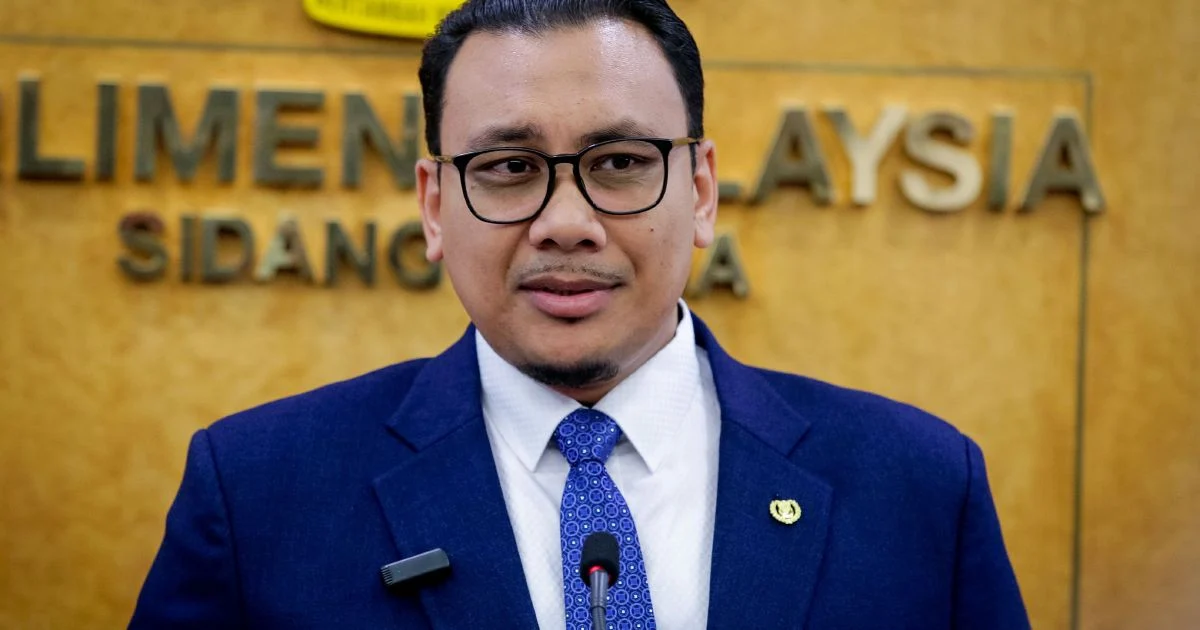
PAS Youth chief Afnan Hamimi Taib Azamudden has taken the decision to engage legal counsel following a Facebook post that he contends contains offensive remarks directed at his father and immediate family. The post is attributed to a senior figure within Bersatu, Malaysia's ruling coalition partner, escalating tensions between the two Islamic-oriented political organisations that have increasingly found themselves at odds despite their shared government responsibilities.
The move represents a significant escalation in intra-coalition friction at a time when the unity government structures require careful navigation. Both PAS and Bersatu serve as pillars of the current administration alongside Pakatan Harapan components, yet their relationship has been marked by strategic competition, particularly as they vie for influence within Malaysia's Muslim-majority electorate. The decision to pursue formal legal remedies rather than attempt internal political resolution underscores the seriousness with which Afnan Hamimi views the alleged transgression.
Personal attacks on family members have become an increasingly fraught dimension of Malaysian political discourse, particularly on social media platforms where accountability mechanisms remain limited and the boundaries between legitimate political critique and defamatory speech are frequently contested. The youth wings of major parties, including PAS Youth, have emerged as significant actors in shaping political narratives among younger voters, making their leadership particularly sensitive to reputational assaults that might undermine their standing with core constituencies.
The alleged insult carries particular weight given Malaysia's complex defamation laws and the heightened sensitivities around familial honour within the political establishment. Legal action concerning statements made on social media has become more commonplace, though success rates and enforcement have proven inconsistent. The decision to mobilise legal resources signals that Afnan Hamimi intends to make this matter extend beyond social media discourse into formal adjudication, potentially establishing precedent within Malaysian political circles regarding acceptable boundaries for online political engagement.
Afnan Hamimi's position as PAS Youth chief carries considerable institutional significance. PAS Youth functions as a mobilisation mechanism within the party structure, particularly effective in reaching constituencies that might otherwise resist traditional religious messaging. By responding decisively to the alleged insult, Afnan Hamimi demonstrates commitment to defending party dignity and protecting family honour—values that resonate strongly within PAS's core support base and religious constituents. The measured yet firm response also projects strength and decisiveness to younger party members who look to his leadership.
The involvement of Bersatu, which emerged relatively recently as a splinter formation from UMNO and has positioned itself as a modernising Islamic-nationalist force, adds another dimension to this dispute. Bersatu's presence within the coalition has sometimes created complications, particularly regarding policy coordination and resource allocation. This latest incident may reflect deeper ideological or strategic tensions between the two parties that extend beyond the immediate Facebook controversy.
Social media's role in Malaysian politics continues to expand, often outpacing the legal and regulatory frameworks designed to govern political discourse. Facebook remains the dominant platform for reaching older and middle-aged demographics crucial to electoral outcomes, making statements posted there particularly consequential. The alleged post's attribution to a Bersatu leader rather than party officials speaking in their personal capacity raises questions about institutional responsibility and whether leadership should be held accountable for remarks made by their members on social platforms.
The broader implications for coalition stability warrant attention. While PAS and Bersatu maintain official collaborative arrangements and mutual representation in government, their underlying competition for legitimacy within Islamic-political spaces remains tangible. This incident could either catalyse mediation efforts aimed at restoring working relationships or entrench divisions that already exist beneath the surface of coalition harmony. Given Malaysia's complex power-sharing arrangements, such internal tensions require careful management to prevent cascading institutional consequences.
Legal remedies for social media defamation in Malaysia have experienced increased utilisation over recent years, yet the outcomes have been mixed and dependent on various factors including evidence preservation, jurisdiction questions, and the substantive legal analysis of whether statements constitute actionable defamation. The case will likely generate significant attention within both party structures and potentially among legal observers tracking the evolution of Malaysian jurisprudence regarding online speech and political discourse.
The timing of this legal action also occurs within a broader context of evolving standards around acceptable political communication. Malaysia's electoral landscape has become increasingly digital, with younger voters particularly reliant on social media platforms for political information and engagement. How established political figures and their legal representatives navigate disputes arising from online content may influence normative expectations around digital political conduct across the broader party ecosystem.
Affairs of this nature highlight the persistent tension between protecting individual and familial reputation and maintaining spaces for legitimate political contestation. The courts will ultimately determine whether the challenged statements cross thresholds establishing legal liability, but the political dimensions of this dispute will extend beyond whatever judicial determinations emerge. The case represents another chapter in Malaysian politics' ongoing adjustment to digital-age communication dynamics and their intersection with traditional concepts of honour and institutional relationships.

