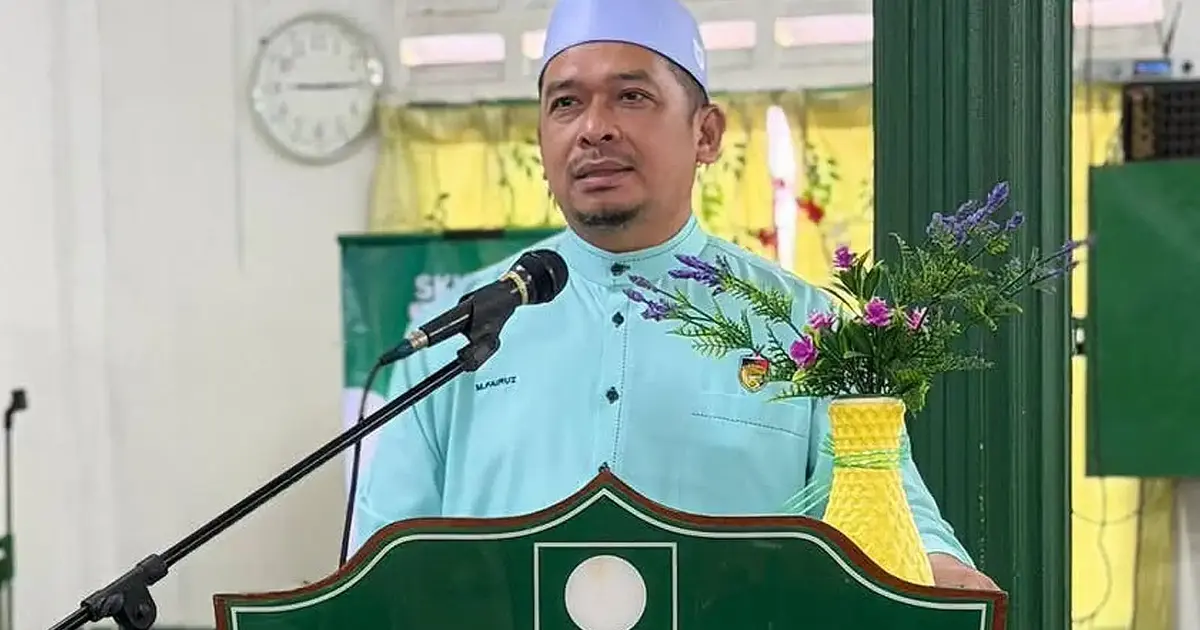
PAS is charting an ambitious electoral course in Negeri Sembilan, with the state party leadership announcing plans to challenge DAP's parliamentary and state assembly dominance in constituencies where Malay demographics form a substantial voting bloc. Fairuz Isa, who heads the Islamist party's machinery in the state, disclosed that PAS intends to field candidates in seats currently represented by the Chinese-majority Democratic Action Party, particularly in areas where Malays constitute at least two-fifths of the registered voters.
This strategic pivot underscores a broader repositioning within Malaysian politics as different coalitions recalibrate their territorial ambitions ahead of potential electoral contests. Negeri Sembilan, historically a competitive state where no single bloc has maintained uninterrupted dominance, has become a focal point for such inter-coalition manoeuvring. The state's mixed demographic composition—with substantial Malay, Chinese, and Indian populations spread unevenly across constituencies—creates pockets of opportunity for parties willing to invest resources and ground organisation in specific areas.
The targeting of DAP-held seats by PAS reflects a calculation that constituencies with significant Malay representation but currently represented by a non-Malay, secular, and ostensibly non-Islamic party may be persuadable to shift allegiance. This reasoning assumes that Malay-Muslim voters in such areas, despite previous electoral choices favouring DAP, might respond positively to PAS's religious and communal messaging, particularly if PAS can frame the choice as one involving Islamic representation and governance.
For DAP, the announcement presents a concrete challenge to what has been relatively secure electoral territory. The party has maintained representation in Negeri Sembilan through a combination of strong Chinese voter support, coalition partnerships, and appeals to cross-communal concerns around governance and anti-corruption. However, the specificity of PAS's targeting—zones where Malays comprise around 40 percent—suggests the Islamist party believes it has identified a vulnerability: constituencies where Malay voters exist in sufficient numbers to potentially swing outcomes but where DAP has successfully maintained representation by mobilising other voters and transcending purely communal voting patterns.
The timing of this announcement is significant within Malaysia's political calendar. With speculation mounting about when federal and state elections might be called, parties are accelerating preparation and making strategic declarations to establish their positioning and test public reaction. PAS's public statement about seat targets serves multiple purposes: it energises the party's grassroots machinery, signals to coalition partners the areas where PAS intends to lead, and attempts to create narrative momentum around the party's electoral viability in constituencies it has not previously contested seriously.
Negeri Sembilan's political dynamics have shifted considerably in recent years. The state has experienced coalition realignments, with different groupings occupying state power at various intervals. Malay voters in the state, particularly in rural and semi-urban areas, have demonstrated a willingness to shift support between different political vehicles depending on local issues, development concerns, and national political currents. PAS believes this electoral volatility creates openings, especially in constituencies where demographic profiles might suggest natural affinity but where incumbent representation has not historically reflected communal composition.
The PAS strategy also reflects changing calculations within Malaysian coalition politics. As Pakatan Harapan and other groupings have undergone various transformations, PAS has sought to position itself as capable of contesting across diverse constituency types rather than remaining confined to traditional strongholds. By explicitly targeting DAP seats in Malay-majority areas, PAS is asserting that the traditional ethnic-party political geography no longer constrains competition as rigidly as it once did.
For Malaysian political observers and analysts, PAS's announcement illustrates how electoral competition in the post-2018 era has become more explicitly about challenging opponent strongholds rather than consolidating existing territory. The willingness of parties to directly target each other's safest seats reflects both increased electoral confidence and heightened competition for voter allegiance. In Negeri Sembilan particularly, such challenges are viable because the state's voter base is sufficiently mixed and previous electoral patterns have not produced overwhelming consensus in any direction.
The effectiveness of PAS's strategy will ultimately depend on several factors beyond demographic composition. Local issues, candidate quality, ground organisation intensity, and how broader national narratives resonate in specific constituencies will all influence whether PAS can genuinely threaten DAP incumbents. Additionally, coalition dynamics matter significantly; if DAP enters elections within a broader alliance featuring parties with their own strength among Malay voters, the challenge may prove more difficult for PAS to convert demographic advantage into electoral victories.
For Malaysian voters in Negeri Sembilan, this development signals that competitive elections are anticipated, with previously settled constituencies now entering play. The state may experience more robust electoral campaigns than in recent cycles, as parties allocate resources to defend or gain contested territory. This heightened competition could benefit voters through more intensive engagement by political parties, though it also raises questions about the stability of governance if power becomes subject to greater electoral volatility.

