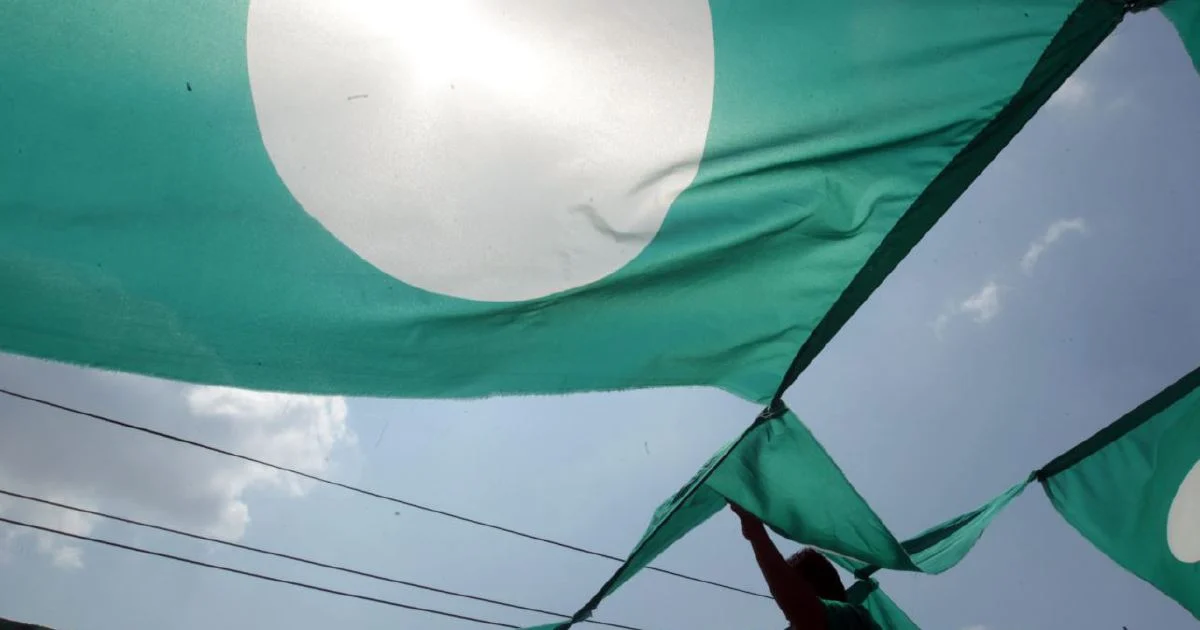
Malaysia's Islamic opposition party PAS gathered its senior leadership at its headquarters along Jalan Raja Laut in Kuala Lumpur on Tuesday, holding what officials described as a pre-council meeting for opposition parliamentarians. The closed-door session underscores mounting friction within the opposition coalition, particularly between PAS and fellow Islamist party Bersatu, as fundamental disagreements over the direction and governance priorities of the bloc come to a head.
The timing of the meeting carries significance for Malaysia's fractious political landscape. While the formal agenda centred on coordinating opposition parliamentary strategy, observers interpret the gathering as an opportunity for PAS to consolidate its position within an increasingly strained coalition. Hamzah Zainudin, a prominent figure in PAS leadership circles, was among those attending, alongside other senior party officials whose presence signals this was a high-level strategic session rather than routine administrative business.
Rifts between PAS and Bersatu have been simmering for months, reflecting deeper ideological and tactical divergences. PAS, rooted in Islamic-nationalist politics with decades of organisational history, holds considerably different priorities from Bersatu, which emerged as a breakaway faction from the ruling coalition only in recent years. These differences have materialised in disputes over policy emphasis, internal decision-making processes, and the coalition's ultimate political objectives, creating an increasingly untenable partnership.
For Malaysian observers and regional analysts tracking domestic politics, the widening breach matters considerably. The opposition coalition's internal cohesion directly affects its capacity to present a credible alternative to the governing Perikatan Nasional administration. Fragmentation undermines the opposition's ability to mount unified challenges on major parliamentary votes, legislative initiatives, and policy debates that determine Malaysia's trajectory on economic, social and security matters.
PAS itself confronts internal pressures as it navigates this coalition crisis. The party's leadership must balance maintaining opposition unity—which offers certain strategic advantages—against preserving PAS's distinct identity and protecting what it views as non-negotiable principles. The pre-council meeting likely focused on developing messaging and positioning strategies that allow PAS to either repair the coalition or, alternatively, prepare supporters for potential political realignment.
Bersatu's perspective in this conflict reflects its different political origins and base. Unlike PAS, which draws strength from grassroots Islamic activism and rural constituencies, Bersatu relies heavily on personalities and former UMNO-aligned networks. This structural difference makes reconciling their coalition politics exceptionally difficult, as they compete for different voter segments and operate through distinct organisational cultures.
The implications extend beyond mere parliamentary seat counts. In a political system where coalition dynamics determine government stability and opposition effectiveness, the deterioration of opposition unity creates opportunities for ruling coalitions to consolidate power. It simultaneously frustrates voters seeking meaningful democratic alternatives and complicates Malaysia's already complex multi-party landscape, where coalition mathematics often trump coherent policy platforms in determining outcomes.
Regionally, Malaysia's opposition fragmentation resonates within Southeast Asia's broader democratic struggles. Several nations in the region grapple with opposition coalitions that struggle to maintain unity while confronting increasingly assertive executives. How Malaysian opposition parties navigate this particular crisis offers lessons—both cautionary and instructive—for democratic movements across the region attempting to build viable alternative governments.
The headquarters location itself merits note. PAS's physical presence on Jalan Raja Laut represents an institutional anchor and resource base that differentiates it from newer political formations. This permanence grants PAS certain leverage in coalition negotiations, even as internal tensions mount. The party can potentially survive coalition breakdown more readily than partners dependent on newer networks, a reality that may inform PAS's negotiating posture.
Moving forward, observers expect PAS will signal its next moves through parliamentary behaviour and media statements following Tuesday's meeting. Whether the party pursues reconciliation efforts with Bersatu, implements corrective measures within the coalition structure, or quietly prepares for political separation will significantly impact Malaysian politics over the coming months. The pre-council gathering itself suggests PAS leadership recognises this moment demands strategic clarity and internal alignment before charting a path forward amid intensifying pressure.

