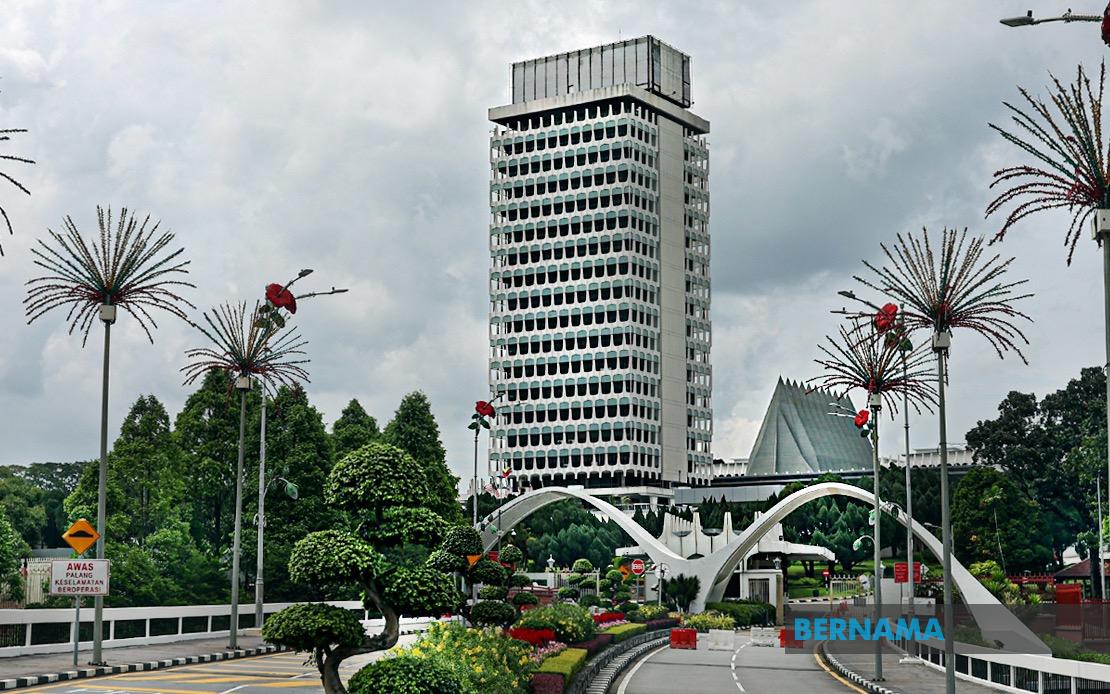
The Road Transport (Amendment) Bill 2026 stands alone as Parliament's sole legislative achievement during the opening week of proceedings, underscoring a measured pace in the current sitting that runs through mid-July. Transport Minister Anthony Loke characterised the legislation as closing a significant enforcement gap that has long hampered authorities' ability to tackle illegal street racing.
The amendment introduces Section 42A, empowering enforcement agencies to intervene against illegal racing activities before accidents, injuries, or fatalities occur. Previously, authorities faced a restrictive legal framework requiring them to establish immediate danger or actual harm before taking action. This loophole created enforcement challenges and frustrated police efforts to prevent dangerous driving before consequences became inevitable. The measure represents a pragmatic response to growing public concern over racing incidents on Malaysian roads.
Looking forward, Transport Minister Loke flagged additional amendments to the Road Transport Act coming later this year that would establish a compensation mechanism for accident victims and their families when impaired driving causes harm. This proposed scheme would operate alongside existing criminal penalties of fines and imprisonment, creating a civil remedy avenue for those harmed by drink or drug-impaired drivers. Such provisions align Malaysia with international practice in victim compensation frameworks.
The Prison (Amendment) Bill 2026 encountered a significant hurdle when Parliament referred it back to the Parliamentary Select Committee for deeper examination. The measure seeks to authorise electronic monitoring devices for prisoners and formalise volunteer participation in rehabilitation initiatives. The committee's decision to seek further review reflects either technical concerns or policy differences requiring resolution before the legislation advances, signalling Parliament's willingness to slow-track contentious measures rather than force them through.
Five additional bills received first reading during the week, setting them on the legislative calendar without yet detailed scrutiny. These comprised the Sexual Offences Against Children (Amendment) Act 2026, two Competition-related bills, and the comprehensive Cybercrime Act 2026, designed to supersede the 20-year-old Computer Crimes Act 1997. The Cybercrime Bill represents substantial modernisation of Malaysia's digital crime framework, addressing evolved threats and technologies that barely existed when earlier legislation took effect.
Parliament confirmed significant personnel changes affecting legislative oversight. Speaker Tan Sri Johari Abdul reinstated Larut MP Datuk Seri Hamzah Zainudin as Opposition Leader from June 18 onwards, restoring formal opposition leadership following earlier uncertainties. The chamber also recognised two parliamentary vacancies following the May 18 resignations of Datuk Seri Rafizi Ramli (Pandan) and Nik Nazmi Nik Ahmad (Setiawangsa), with notifications sent to the Election Commission as constitutionally mandated. These developments signify Parliament's focus on governance mechanics alongside legislative action.
Minister's Question Time revealed shifting dynamics as Prime Minister Datuk Seri Anwar Ibrahim's originally scheduled Tuesday and Thursday sessions were handled by relevant cabinet ministers due to competing demands on the Premier's schedule. This arrangement, though pragmatic, altered Parliament's intended accountability structure and highlighted ongoing capacity pressures within government leadership.
Parliamentary Select Committees received dedicated debating time, reflecting institutional efforts to strengthen committee influence and transparency. This procedural emphasis suggests Parliament's leadership views strengthened committee roles as fundamental to improving legislative quality and parliamentary oversight, particularly relevant as Malaysia calibrates its Westminster-derived system with contemporary governance expectations.
Unemployment dominated parliamentary concern, with Human Resources Minister Datuk Seri R. Ramanan reporting 42,807 retrenchments between January and June 12. Company closures and restructuring drove job losses, though Economy Minister Akmal Nasrullah Mohd Nasir provided offsetting reassurance that June retrenchments fell 20 per cent month-on-month, with labour force participation holding steady at 70.9 per cent. These competing narratives reflected parliamentary anxiety about labour market stability amid global economic uncertainty.
Border security commanded substantial attention following Home Minister Datuk Seri Saifuddin Nasution Ismail's announcement of RM22 million allocated to equip the Malaysia Border Control and Protection Agency with firearms and operational equipment. The investment signals prioritisation of frontier management amid regional security concerns, requiring sustained funding and deployment strategies across Malaysia's extensive maritime and terrestrial borders.
Energy supply disruptions emerged as persistent parliamentary preoccupation. The Ministry of Plantation and Commodities indicated hesitation regarding B50 biodiesel rollout, citing costly depot upgrades necessary for broader implementation. This measured approach contrasts with energy transition ambitions, exposing infrastructure constraints limiting renewable fuel adoption despite policy objectives toward diversified energy sources.
Online safety regulatory frameworks received ministerial emphasis as Communications Minister Datuk Fahmi Fadzil outlined implementation of the Child Protection Code and Risk Mitigation Code effective June 1. These instruments mandate age-verification mechanisms on social media platforms, with non-compliance triggering penalties up to RM10 million under the Online Safety Act 2025. The regulatory architecture reflects parliamentary recognition of digital harms to younger users and intention to shift responsibility toward technology platforms, though enforcement mechanisms and platform compliance across jurisdictions remain substantive challenges.
The deliberate pace of the opening week, yielding single-measure passage amid multiple delayed or early-stage bills, suggests Parliament intends measured advancement through the 16-day sitting extending to July 16. Whether this reflects procedural caution, substantive policy deliberation, or capacity constraints remains subject to assessment as the session progresses through remaining weeks.

