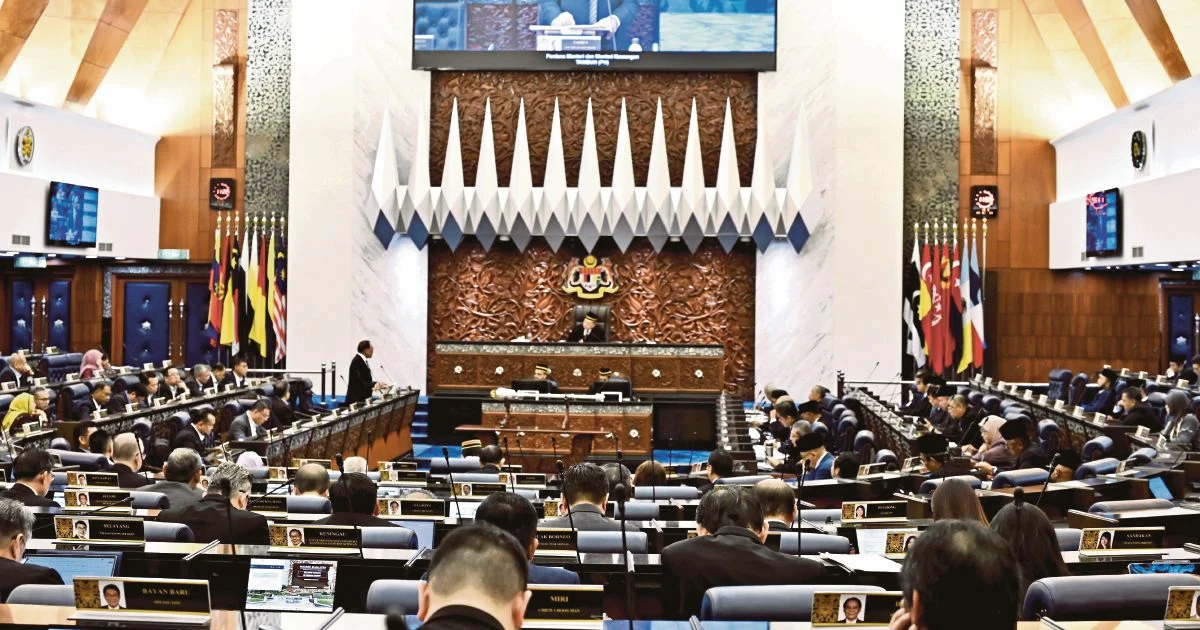
The Dewan Rakyat descended into heated exchanges within an hour of today's parliamentary sitting, as disagreements over the opposition leader's status sparked sharp confrontations between government and opposition benches. The intensity of the debate reflected deeper tensions within Malaysia's fractious political coalitions, particularly between Islamist party PAS and its Bersatu allies within the federal government. The incident underscores the fragile nature of current parliamentary alignments and the underlying strains that continue to affect governance stability in Malaysia.
The specific trigger for the parliamentary outburst centred on procedural and political questions surrounding the legitimacy and recognition of the opposition leader. Takiyuddin Hassan, the PAS lawmaker, found himself at the centre of an escalating confrontation with a government Member of Parliament over what critics characterised as coordinated pressure against Bersatu's coalition partners. The exchange demonstrated how quickly parliamentary business can deteriorate when fundamental questions about institutional roles and political legitimacy come under dispute.
For Malaysian observers, the clash reveals significant fissures within the ruling alliance that has governed since 2023. The relationship between PAS and Bersatu, despite their shared Islamist orientation and collaboration within Perikatan Nasional, remains competitive and occasionally confrontational. Control over parliamentary narratives and the ability to shape political messaging have become increasingly contested between the coalition partners, with each seeking to consolidate influence over key legislative processes and institutional positions.
The timing of such exchanges carries particular significance in Malaysia's current political context. With multiple state elections anticipated and ongoing restructuring of federal alliances, parliamentary behaviour often signals the health of broader political arrangements. When coalition partners resort to pointed criticism of one another on the parliamentary floor rather than managing disagreements privately, it typically indicates deeper strategic divergences that may eventually threaten the stability of the governing arrangement itself.
The accusation of bullying directed at PAS carries particular weight given the party's substantial parliamentary representation and its influence over government policy in several key areas. Within Malaysia's plural society, such characterisations can quickly become political ammunition, affecting public perception of coalition partners and potentially influencing support among their respective voter bases. Both parties recognised the reputational stakes involved, which likely intensified the rhetorical temperature of the exchange.
Takiyuddin's involvement in the dispute is noteworthy given his prominent position within PAS and his significant role in parliamentary business. His willingness to engage in direct confrontation with government colleagues on the floor suggests either a deliberate tactical move to strengthen PAS's positioning within the coalition or genuine frustration with perceived encroachments on party interests. Either interpretation carries implications for how the governing alliance manages internal disputes going forward.
The Dewan Rakyat scene reflects international patterns where coalition governments struggle with internal discipline and messaging consistency. When governing partners hold fundamentally different political ideologies or compete for electoral support in overlapping constituencies, parliamentary sessions become occasions for subtle score-settling. What appears to observers as procedural disputes often masks deeper competition for influence, resources, and future electoral positioning between coalition members.
For Southeast Asian observers monitoring Malaysian politics, such incidents provide valuable insight into how complex multiparty coalitions function under pressure. Malaysia's experience with managing diverse political partners within government structures offers both lessons and cautionary tales. The region's other nations with coalition arrangements—Thailand, Indonesia, and the Philippines among them—watch closely to understand how Malaysian politicians navigate the balance between maintaining governing stability and advancing party-specific agendas.
The parliamentary disruption also highlights the opposition's opportunity to exploit government coalition tensions. By amplifying disagreements between ruling partners and framing them as evidence of governmental dysfunction, opposition lawmakers can gradually erode public confidence in the administration. This dynamic has featured prominently in Malaysian politics, where factional disputes within government have historically provided opposition parties with valuable political capital.
Looking forward, such heated exchanges typically presage either improved coalition management mechanisms or eventual fracturing of governing arrangements. Malaysian political leaders will likely intensify efforts to maintain coalition discipline, though success remains uncertain given the structural incentives for internal competition. The incident serves as a reminder that holding together diverse political partners requires continuous negotiation, compromise, and demonstrated respect for each partner's core interests and institutional prerogatives.
The incident ultimately reflects Malaysia's evolving political maturity, where parliamentary exchanges increasingly serve as forums for genuine policy and leadership disputes rather than mere procedural formalities. While such spirited debate strengthens parliamentary deliberation, the persistence of coalition tensions suggests that Malaysian politics remains in a period of significant flux and recalibration as parties and leaders position themselves for future electoral contests and power transitions.

