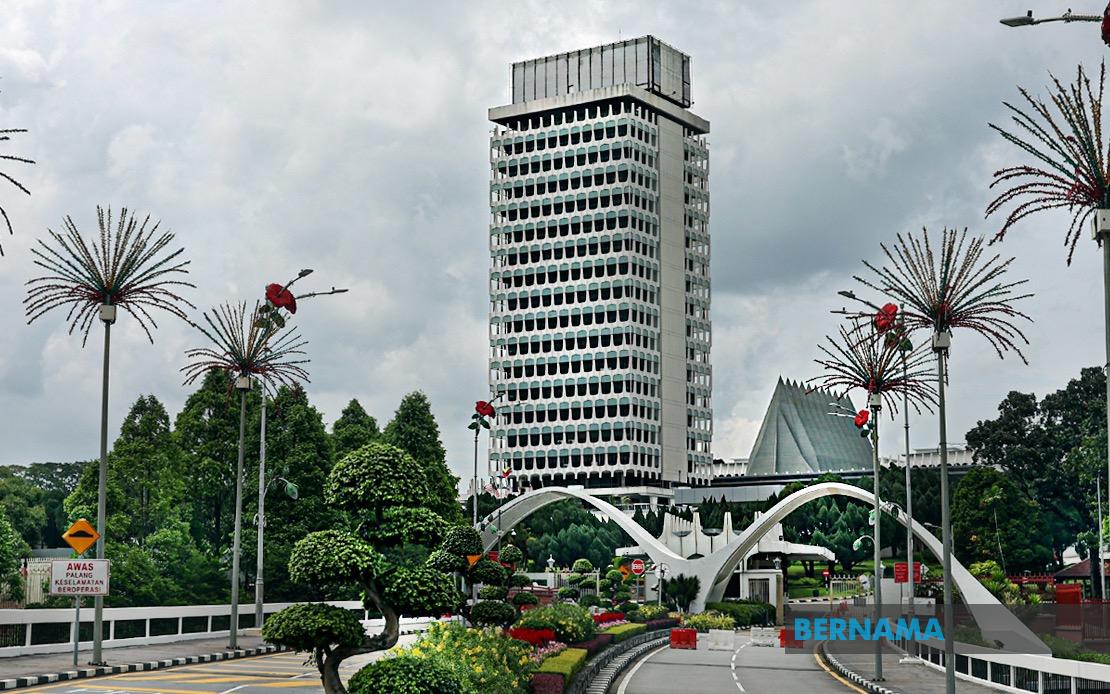
Prime Minister Datuk Seri Anwar Ibrahim has called for an expedited special Parliament sitting to examine the findings of the Royal Commission of Inquiry into Lembaga Tabung Haji, though the scheduling remains contingent on the agreement of Dewan Rakyat speaker Tan Sri Dr Johari Abdul. Speaking to reporters in Seremban on July 29 following a Temu Anwar dialogue with over 2,000 Form Six and polytechnic students in Negeri Sembilan, Anwar emphasised the urgency of convening Parliament to allow Members adequate time to review the comprehensive report and participate in thorough public debate throughout the legislative day.
The Cabinet has resolved to move forward with a transparent investigation that extends well beyond the scope of inquiries conducted in 2014 and 2017, now encompassing developments spanning 2018, 2019 and 2020, along with an assessment of subsequent remedial actions undertaken. This broader mandate signals the government's intention to provide legislators and the public with a complete narrative of events affecting the pilgrim savings institution, rather than fragmented historical accounts. The comprehensive nature of the investigation underscores growing parliamentary and public concern about governance lapses at the organisation.
While the proposal for a special sitting has already been endorsed by Cabinet, the practical logistics require formal clearance from the parliamentary speaker's office. Anwar's emphasis on proceeding "as soon as possible" suggests the administration views prompt legislative discussion as important for restoring public confidence in Tabung Haji's management and demonstrating governmental accountability. The timing of such a sitting carries political significance, as it demonstrates the government's commitment to addressing long-standing grievances affecting millions of Malaysian Muslims who have contributed to the institution through their savings.
During the same engagement in Negeri Sembilan, Anwar also announced that he would personally assume responsibility for managing Indian community affairs, responding to repeated appeals and complaints from that demographic regarding their particular challenges and concerns. The announcement came in the presence of Communications Minister Datuk Seri Fahmi Fadzil and local community leaders including Ramanan. This direct intervention signals a strategic pivot toward addressing the concerns of a historically significant voting bloc that has expressed dissatisfaction with both the pace and substance of government initiatives directed at their community.
Anwar assured the assembled Indian community members that existing leadership structures would collaborate to safeguard their welfare and interests going forward. The Prime Minister's personal engagement on this front represents an acknowledgment that community relations require sustained high-level attention and responsiveness to ground-level grievances. By positioning himself as directly accountable for these matters rather than delegating exclusively to ministerial portfolios, Anwar has made a political statement about the relative importance of maintaining this constituency's support.
The government has instituted numerous policies and significantly broadened access to financing, educational opportunities, and welfare provisions that have benefited the Indian community since assuming office three and a half years ago. Anwar directed the community to evaluate the MADANI administration's performance on the basis of documented implementation records rather than on perceptions or allegations promoted by political opponents. This distinction becomes particularly relevant as Malaysia approaches electoral cycles where competing narratives about governmental performance shape community voting preferences.
Among the flagship initiatives Anwar highlighted is an unprecedented automatic matriculation placement scheme for students achieving ten As in their secondary examinations, regardless of ethnic background. The Prime Minister emphasised that this milestone achievement represents the first instance in the nation's history where academic excellence alone, irrespective of whether recipients are Malay, Chinese, or Indian, guarantees entry into the matriculation programme. By anchoring the government's credibility to this concrete policy achievement, Anwar sought to reframe the narrative around the MADANI administration's commitment to meritocratic advancement.
Anwar appealed to the Indian community to grant recognition to the substantive efforts undertaken by his government, framing this acknowledgment as reciprocal appreciation for targeted developmental initiatives. The rhetorical framing positions government action as deserving of community support contingent on visible and measurable outcomes rather than symbolic gestures. This approach attempts to construct a performance-based covenant between the administration and this particular demographic.
The dual announcements during the Negeri Sembilan programme—concerning both the Tabung Haji parliamentary sitting and personal engagement on Indian community issues—reflect a broader strategic calculus within government operations. The Tabung Haji matter touches on concerns affecting a substantial portion of the Muslim-majority electorate who depend on the institution for retirement security, while the Indian community outreach addresses a demographically concentrated voting bloc concentrated in key electoral areas. Both initiatives require careful management to sustain coalition confidence ahead of anticipated political transitions.
The Parliament sitting on the Tabung Haji RCI report carries implications extending beyond institutional accountability to encompass broader questions about governance resilience and stakeholder protection. The institution manages billions in savings accumulated over decades, and findings from the inquiry will likely inform future regulatory frameworks and oversight mechanisms. For investors within the scheme and policymakers overseeing similar institutions throughout Southeast Asia, the parliamentary examination and subsequent policy responses will offer instructive precedent regarding institutional oversight in religious and social security contexts.
Anwar's positioning of the inquiry outcome as a matter meriting full parliamentary examination rather than confined administrative resolution signals confidence that transparent legislative debate will ultimately support rather than undermine public faith in institutional recovery efforts. The government's willingness to subject investigative findings to open parliamentary scrutiny suggests underlying confidence in both the integrity of the investigation and the sustainability of implemented remedial measures. Whether this confidence proves warranted will become apparent following the special sitting and ensuing public discourse surrounding the RCI conclusions.

