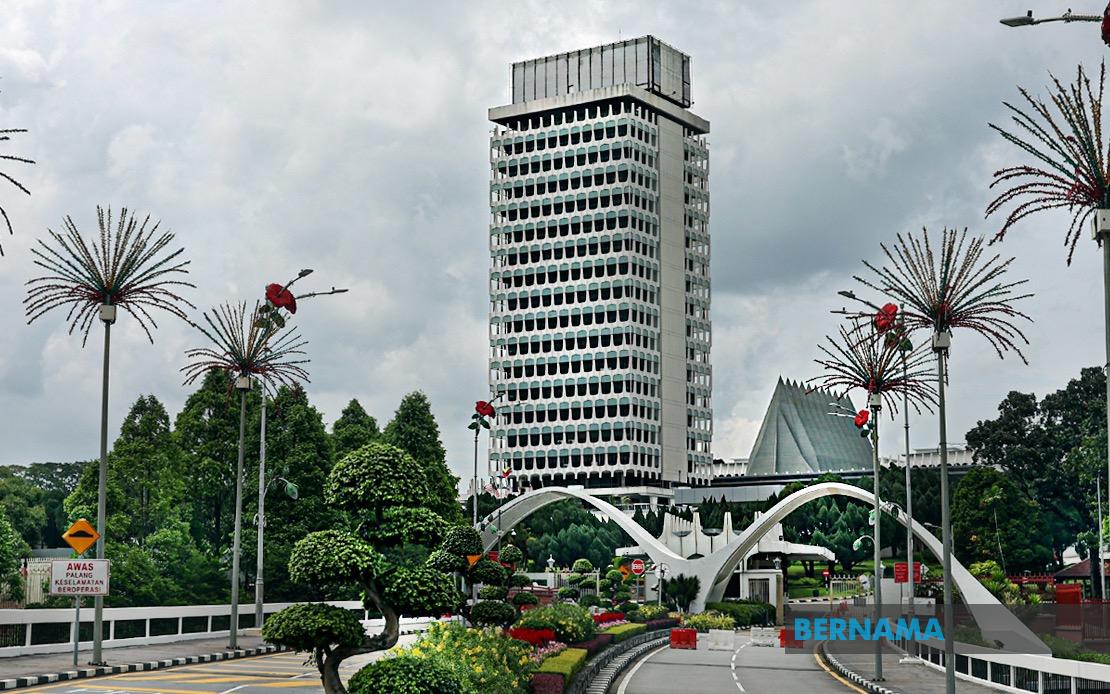
Parliament will turn its attention today to three significant policy areas affecting infrastructure planning, consumer protection, and digital governance, reflecting growing concerns across multiple sectors of the Malaysian economy and society. The Dewan Rakyat sitting, which runs through July 16, has scheduled substantive questions on water resources in Johor, the enforcement capabilities of the competition regulator, and the implementation framework for age verification on social media accounts. These debates underscore the government's engagement with long-standing infrastructure challenges, market competition issues, and the contemporary challenge of protecting younger internet users.
The question on water resource capacity, posed by Suhaizan Kaiat representing Pulai, directly addresses one of Malaysia's most pressing regional challenges. Johor, as the nation's second-largest state and home to nearly four million people, faces mounting pressure to secure adequate water supplies amid rapid urbanisation and industrial expansion. The inquiry seeks clarity on the government's comprehensive strategy to boost water availability, encompassing physical infrastructure like new dams and treatment facilities alongside innovative approaches such as recycled water schemes. For Malaysian readers, this discussion carries particular relevance given the recurring water shortages that have affected the state in recent years, disrupting households and businesses. The answer will likely outline timelines for major projects and explain how the ministry balances immediate demand with sustainable, long-term capacity building.
Water management has become increasingly critical for Southeast Asia as climate variability, population growth, and economic development place competing demands on finite resources. Johor's situation exemplifies this regional tension, with supply constraints affecting both domestic consumption and industrial operations including semiconductor manufacturing and petrochemical production. The construction of new dams represents a capital-intensive approach requiring careful environmental assessment and land acquisition, while water recycling technologies offer less controversial but technically demanding alternatives. The government's response will reveal how it prioritises these different strategies and whether it has secured the necessary funding and technical expertise to execute its plans on schedule.
The second parliamentary question addresses market competition in the housing sector, an area of sustained public concern across Malaysia. Datuk Seri Ismail Abd. Muttalib's dual inquiry focuses on strengthening the Malaysia Competition Commission's monitoring capabilities and investigating potential anti-competitive conduct. Housing prices have surged in major Malaysian cities, pricing out many first-time buyers and renters, with some analysts attributing increases partly to market manipulation or co-ordinated pricing behaviour among developers. By questioning the ministry on MyCC's effectiveness, Parliament is examining whether existing regulatory tools are adequate or whether the watchdog requires enhanced powers, additional resources, or legislative reforms to combat housing market distortions.
The competition question carries implications beyond Johor or individual states, as affordable housing shortages represent a nationwide challenge. The MyCC's ability to investigate price-fixing, collusion, and anti-competitive practices determines whether market forces or cartel behaviour drive residential real estate costs. For Malaysian consumers and potential homebuyers, parliamentary scrutiny of the commission's investigative methodology and outcomes signals whether regulators take housing affordability seriously. The discussion may also explore whether the MyCC has sufficient independence, funding, and enforcement authority to challenge large developers or building consortiums that might engage in anti-competitive practices. This remains a politically sensitive area, as housing affordability directly affects cost-of-living sentiment and electoral fortunes.
The third policy area under discussion concerns the digital rights and protections of younger Malaysians using social media platforms. Syahredzan Johan's question about age verification systems reflects global regulatory trends, as governments worldwide grapple with protecting minors from online harms whilst preserving privacy and preventing surveillance overreach. Age verification technology typically requires service providers to collect personal data from users, creating tension between child safety objectives and data protection principles. The inquiry specifically addresses how Malaysia will ensure that licensed service providers access only necessary personal information and delete data once age verification is complete, reflecting best-practice international standards.
This debate touches on fundamental questions about digital governance in Malaysia. Social media platforms have become ubiquitous among Malaysian youth, offering benefits for communication and information access whilst exposing younger users to potential harms including cyberbullying, inappropriate content, and predatory behaviour. Age verification systems aim to create safer digital spaces, yet implementation raises practical challenges and privacy concerns. The Communications Ministry's response will likely outline the technical standards for age verification, the identity of licensed service providers, and mechanisms for auditing compliance. For Malaysia's rapidly digitising society, this discussion signals how policymakers balance innovation, consumer protection, and individual privacy rights.
The timing of these three questions within a single parliamentary session reflects interconnected governance challenges. Water security supports economic development and public health. Housing affordability depends partly on competitive markets free from manipulation. Digital safety enables young people to participate online without undue risk. All three areas involve regulating private actors—water utilities, developers, and tech companies—to serve public interests. The Dewan Rakyat's role as a forum for government accountability means these questions allow opposition and ruling coalition members alike to scrutinise implementation, identify gaps, and propose alternatives.
The parliamentary sitting's 16-day duration provides space for detailed policy deliberations beyond these three questions. Members can follow up with supplementary questions, raising specific concerns from their constituencies and probing government responses. This extended sitting format differs from shorter sessions, allowing more comprehensive scrutiny of executive decisions and planning. For Malaysian policy observers, these parliamentary debates often preview upcoming legislation, regulatory changes, or shifts in government priorities. Water security, housing market oversight, and digital safety protections will likely feature prominently in coming months' policy agenda.
These three distinct policy areas reveal the breadth of challenges facing Malaysian governance. Infrastructure planning, consumer protection, and digital rights all require coordinated action across multiple agencies, sustained funding commitments, and clear legislative authority. The Dewan Rakyat's deliberation today offers an opportunity to assess government progress, identify obstacles, and build parliamentary consensus around solutions. For Malaysian citizens, the quality of these debates and the government's substantive responses will determine whether policies translate into tangible improvements in water access, housing affordability, and online safety.

