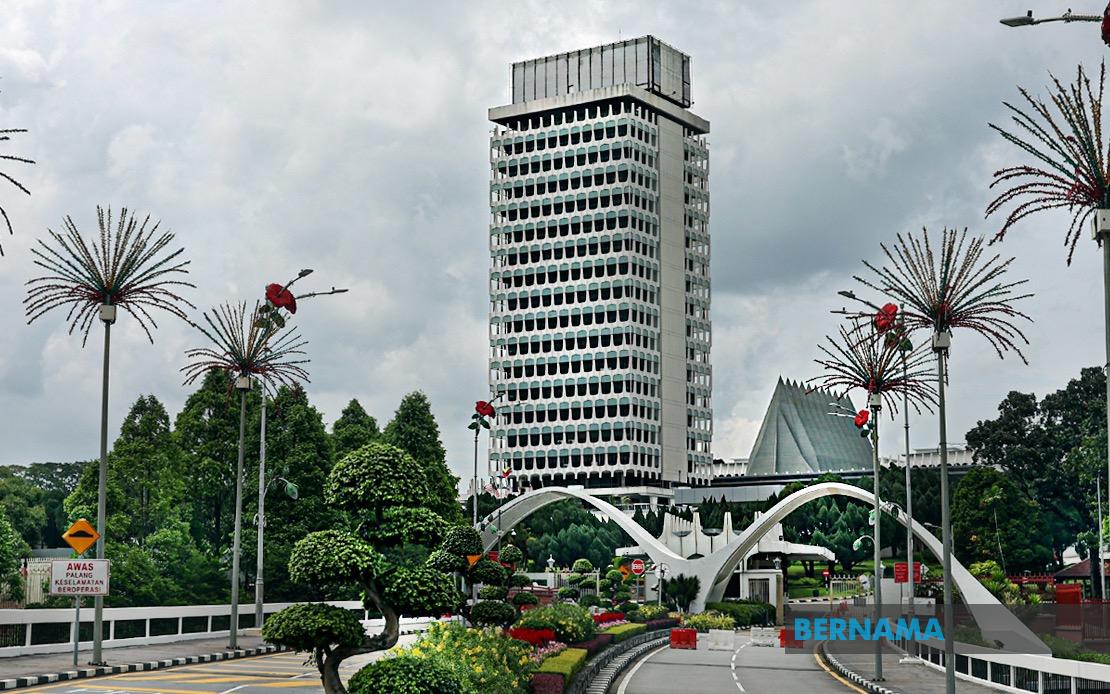
Parliament reconvenes today with geopolitical and domestic economic matters dominating the legislative agenda. The Dewan Rakyat sitting beginning at 10 am will feature questioning on Malaysia's diplomatic positioning following announcements regarding a Memorandum of Understanding between Washington and Tehran aimed at resolving military tensions in West Asia. The session represents an opportunity for lawmakers to assess how the government intends to navigate the complex regional security landscape while advancing national interests.
Malaysia's foreign policy response to developments in West Asia carries significant weight given the country's substantial trade relationships with both nations and its standing as a Muslim-majority democracy. Datuk Mohd Isam Mohd Isa from Tampin will direct his query to the Foreign Minister during the question-and-answer segment, seeking clarity on Malaysia's official position and the concrete measures the government plans to implement to support durable stability in the region. This line of inquiry reflects broader regional concern about potential escalation and the need for measured diplomatic engagement.
The proposed accord represents a notable diplomatic initiative, though details remain subject to parliamentary scrutiny and public debate. Malaysia's response will likely balance several competing considerations, including security concerns, economic interests, and its role within international forums. The government's stated approach to these issues will provide insight into how Kuala Lumpur plans to maintain constructive relationships across the geopolitical divide while promoting peace initiatives.
Beyond international relations, domestic economic initiatives will receive parliamentary attention. Datuk Rosol Wahid from Hulu Terengganu will question the Minister of Domestic Trade and Cost of Living regarding the MADANI Mart programme, a government initiative designed to provide affordable goods and support small-scale entrepreneurs. His questions will focus on the current number of operational outlets, the volume of applications received from prospective entrepreneurs, and the total number of vendors currently participating in the scheme.
The MADANI Mart represents a key component of the government's cost-of-living agenda, responding to consumer concerns about retail prices and market accessibility. The programme aims to create retail opportunities for small entrepreneurs while offering shoppers competitive pricing through direct producer-to-consumer models. Parliamentary questioning will help establish whether the initiative is meeting its expansion targets and whether entrepreneurial uptake aligns with government projections.
Drug-related matters will also feature prominently in today's questioning. Khoo Poay Tiong from Kota Melaka will ask the Home Minister for comprehensive statistics on synthetic drug addiction cases recorded since the beginning of 2023, alongside details of government strategies to counter the escalating trend of synthetic narcotics consumption. The inquiry specifically flags fentanyl as an emerging threat, reflecting growing international concern about the proliferation of powerful synthetic opioids in Southeast Asia.
The rise of synthetic drug use, particularly fentanyl and its analogues, represents a critical public health and security challenge for Malaysia and the broader region. Fentanyl's potency and illicit availability have created unprecedented challenges for law enforcement and public health authorities across multiple countries. Understanding the scale of the problem and the government's response mechanisms will be crucial for evaluating the effectiveness of current counter-narcotics strategies and identifying resource gaps.
Trade negotiations will also come under parliamentary review. Datuk Seri Hamzah Zainudin from Larut will inquire about implementation progress on the Agreement on Reciprocal Trade between Malaysia and the United States, directing his question to the Minister of Investment, Trade and Industry. This bilateral trade accord carries implications for Malaysian exporters, particularly those in manufacturing and agricultural sectors seeking improved market access to American consumers.
The reciprocal trade arrangement represents part of Malaysia's broader strategy to diversify trading partnerships and strengthen economic ties with major developed economies. Progress on implementation affects numerous Malaysian businesses seeking to expand exports, navigate tariff structures, and understand compliance requirements for American market entry. Parliamentary oversight ensures transparency regarding negotiations and implementation timelines.
Parliament's legislative calendar includes three bills scheduled for first reading: the Prisons (Amendment) Bill 2026, the Competition (Amendment) Bill 2026, and the Competition Commission (Amendment) Bill 2026. The prison reform legislation suggests ongoing efforts to modernise correctional facilities and procedures, while the two competition-related bills indicate the government's commitment to maintaining robust antitrust frameworks and strengthening the regulatory body responsible for market oversight.
These legislative proposals reflect broader governance priorities spanning criminal justice reform, economic regulation, and institutional capacity-building. Parliamentary examination of these bills will allow lawmakers to assess whether proposed amendments adequately address identified deficiencies and whether the government's approach aligns with international best practices in competition law and institutional administration.
Today's parliamentary sitting demonstrates the diverse range of issues demanding legislative attention, from high-stakes international diplomacy and regional security to domestic price pressures and institutional reform. The mix of questions reflects Malaysia's position as a trading nation with significant regional interests, engaged in complex negotiations while simultaneously managing pressing domestic concerns. How the government addresses these varied challenges will provide important signals about its policy priorities and strategic direction.

