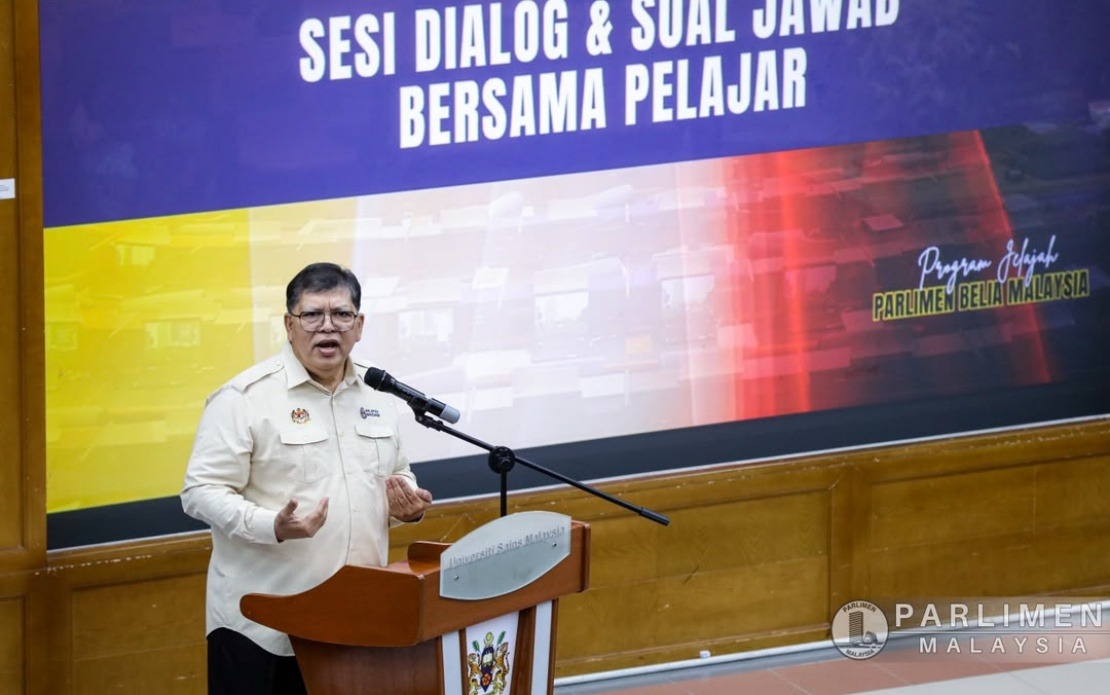
The Dewan Rakyat must transform itself into an institution of genuine public trust and serve as democracy's finest teaching ground for Malaysia's next generation of leaders, according to parliamentary leadership. Speaking ahead of the Malaysian Youth Parliament's inaugural session later this year, the Speaker emphasised that Parliament functions as far more than a debating chamber—it stands as the nation's pre-eminent legislative body and a cultural touchstone for young citizens observing the mechanics of democratic governance.
Tan Sri Johari Abdul, who serves as both Dewan Rakyat Speaker and patron of the youth initiative, stressed that Members of Parliament bear considerable responsibility in shaping how future leaders perceive the democratic process. The message carries particular weight given that participants in the Malaysian Youth Parliament will directly witness parliamentary conduct through live broadcasts and social media coverage, making every exchange and procedural moment visible to thousands of observers.
The Speaker's call represents an implicit acknowledgment that parliamentary behaviour frequently falls short of ideals. Johari urged all MPs to conduct themselves with dignity while advancing a deliberative culture grounded in factual discourse and solutions-oriented discussion rather than partisan point-scoring. He contended that young democracy advocates require tangible role models demonstrating mature, respectful engagement across ideological divides—the antithesis of combative parliamentary theatre that has sometimes characterised recent sessions.
The Malaysian Youth Parliament operates as a parallel democratic institution comprising 222 seats mirroring the composition of actual parliamentary constituencies nationwide. Rather than recruiting from formal political parties, participants organise themselves into youth-led groupings registered with Parliament Malaysia, deliberately insulating the youth programme from partisan political machinations. More than ten such organisations have already formed, suggesting genuine youth appetite for structured democratic participation.
Registration campaigns targeting approximately 300,000 Malaysians aged eighteen to thirty remain ongoing, with the government aiming for substantial participation in the August elections. The schedule reveals an ambitious yet achievable timeline: nomination submissions occur on July 8, official candidate announcements follow on July 11, and a campaign period spanning twenty-seven days runs from July 12 through August 7. Online voting through the dedicated e-PBMy system will occur across a single twenty-four-hour window from 10 am on August 8 until 10 am on August 9, streamlining the electoral process while maintaining accessibility.
The opening ceremony on September 11 will formally establish the inaugural cohort of youth parliamentarians, who will then serve two-year terms. The programme structure mandates three annual sittings, with each session extending across two days, allowing meaningful legislative work while accommodating participants' other commitments and education pursuits. This measured approach contrasts with full-time parliamentary operations, creating a more sustainable model for youth engagement across diverse socioeconomic backgrounds.
Parliament Malaysia's assumption of complete management responsibilities in October 2023 represented a significant institutional shift from the previous arrangement under the Ministry of Youth and Sports. The transition reflects growing recognition that youth democratic development benefits from direct parliamentary oversight and involvement rather than ministry-level administration. This structural change positions the initiative to leverage parliamentary infrastructure, mentorship opportunities, and legislative expertise more effectively than standalone government programmes typically achieve.
For Malaysian readers, the youth parliament initiative carries particular regional significance. Southeast Asian democracies frequently struggle with youth disengagement from formal political processes, particularly as younger demographics exhibit declining interest in traditional party politics while simultaneously demonstrating heightened activism around specific issues. A structured parliamentary simulation offering genuine legislative exposure and debate opportunities provides a counterweight to this trend, potentially cultivating informed citizens committed to institutional participation rather than exclusively extra-parliamentary activism.
The Speaker's emphasis on parliamentary dignity and conduct standards reflects broader conversations across Westminster-influenced legislatures regarding institutional reputation and public confidence. In Malaysia's context, where parliamentary authority has faced periodic challenges and public cynicism regarding legislative effectiveness persists, demonstrating that the institution embraces substantive reform sends meaningful signals. Young observers forming political consciousness through the Youth Parliament programme will either validate their faith in democratic institutions or absorb cynicism about parliamentary utility—outcomes substantially shaped by what they witness in actual Dewan Rakyat proceedings.
Participants can access further information and complete registrations through the official Malaysian Youth Parliament portal at https://pbmy.parlimen.gov.my/my/, with comprehensive instructions and candidate information available online. The accessibility of digital registration aligns with youth preference for online engagement while expanding potential participation beyond individuals with proximity to physical registration locations.

