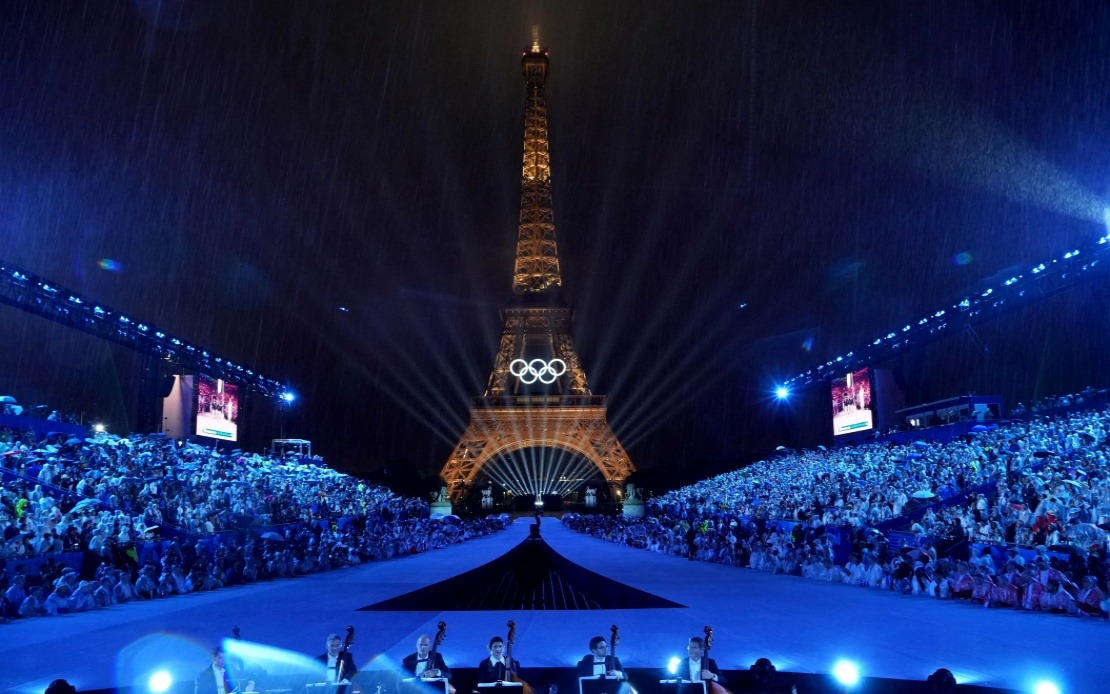
Paris's most recognizable monument took the extraordinary step of shutting its doors ahead of schedule on Tuesday as France contended with a severe heatwave sweeping across the nation. The Eiffel Tower, which welcomes millions of visitors annually, ceased operations at 4pm local time rather than its standard closing hour, with the last admission cut off at 12:15pm. The decision reflected mounting concerns about visitor and employee welfare during dangerously hot conditions that showed no signs of abating.
Operators of the tower, Societe d'Exploitation de la tour Eiffel (Sete), cited safety considerations as the driving force behind the closure. In a statement to media, the company emphasized that adapting to extreme temperatures was necessary and that safeguarding both staff members and tourists represented their foremost priority. Those who had secured tickets for afternoon time slots—specifically entry times from 11:30am onwards for stair access and noon onwards for lift access—would receive automatic refunds without requiring formal requests.
The Eiffel Tower was not alone in taking protective measures. The Louvre Museum, France's largest art institution and another major tourist draw, announced it would also curtail operations from June 24 through June 27. Rather than remaining open until 6pm as usual, the museum will close at 4pm throughout this four-day period. Such synchronized action by France's most visited attractions underscored the severity of the meteorological situation confronting the nation.
According to Meteo-France, the national meteorological authority, the heatwave showed every indication of persisting through at least Thursday, with temperatures remaining at levels described as exceptionally elevated. In Paris specifically, thermometers climbed to 36 degrees Celsius by 4pm on Tuesday, with forecasters predicting even higher readings of up to 38 degrees Celsius for the following day. These figures placed the French capital well into the danger zone, particularly concerning for outdoor activities and crowded indoor spaces with limited cooling capacity.
The geographic extent of the dangerous conditions became evident through the alert system deployed by Meteo-France. The weather service placed 54 mainland French departments under red alert—the system's highest designation—on Tuesday alone. An additional 35 departments received orange alert status, indicating widespread risk across much of the country. This dual-tiered alert coverage illustrated how the heatwave transcended a localized phenomenon, instead representing a comprehensive national challenge requiring coordinated responses.
For Malaysian travelers and Southeast Asian visitors accustomed to tropical climates, the European heatwave presents an unusual situation. While heat and humidity characterize daily life in Malaysia and the region, the sudden spike in French temperatures creates particular hazards because infrastructure and public systems across Europe are typically designed for cooler conditions. Air conditioning in many older Parisian buildings remains limited compared to modern Southeast Asian standards, meaning exposure to such extreme temperatures poses genuine health risks to both locals unaccustomed to such conditions and international visitors.
The early closure of major tourist attractions carries broader implications for the tourism sector and local economy. Thousands of visitors planning day trips to iconic landmarks faced disappointment and logistical complications. Hotels, restaurants, and other hospitality businesses dependent on tourist foot traffic would also experience reduced revenue as guests adjusted plans or departed the region. For tour operators and travel agencies, particularly those in Malaysia organizing European package tours, such developments require rapid communication and rebooking arrangements.
Climate scientists increasingly recognize that such extreme heat events are becoming more frequent across Europe, partly attributable to shifting weather patterns and broader climatic changes. France has experienced several significant heatwaves in recent years, each raising questions about infrastructure resilience and public preparedness. The decision by major institutions to preemptively close rather than manage crowds during dangerous conditions reflects evolving understanding of heat-related health risks, particularly for vulnerable populations including elderly visitors and those with underlying medical conditions.
For Southeast Asian nations, French responses to this heatwave offer perspective on how developed economies adapt infrastructure to climate challenges. Malaysia and other tropical countries, long accustomed to managing heat and humidity, nonetheless face their own climate adaptation challenges including flooding, water security, and urban heat island effects in densely populated areas. The European experience demonstrates that extreme weather preparedness transcends geography and development level, requiring both immediate operational responses and longer-term structural planning.
The temporary closures also highlight the interdependence of global tourism. Many Malaysian tour groups and individual travelers book European itineraries months in advance, often with limited flexibility. When major attractions suddenly alter operations, cascading effects ripple through entire travel ecosystems. Hotels must accommodate guests unable to visit planned destinations, tour guides reschedule activities, and travelers experience disrupted experiences. This vulnerability underscores why travel insurance and flexible booking arrangements remain important considerations for those planning overseas journeys.
Looking forward, the situation in Paris serves as a reminder of nature's capacity to disrupt even the world's most carefully managed destinations. As global temperatures continue shifting and extreme weather events increase in frequency, both tourism operators and travelers should anticipate similar disruptions. For those planning trips to Europe during summer months, monitoring weather forecasts and maintaining flexible expectations becomes increasingly prudent, while travel planning should incorporate contingency options for alternative activities or rescheduled visits.

