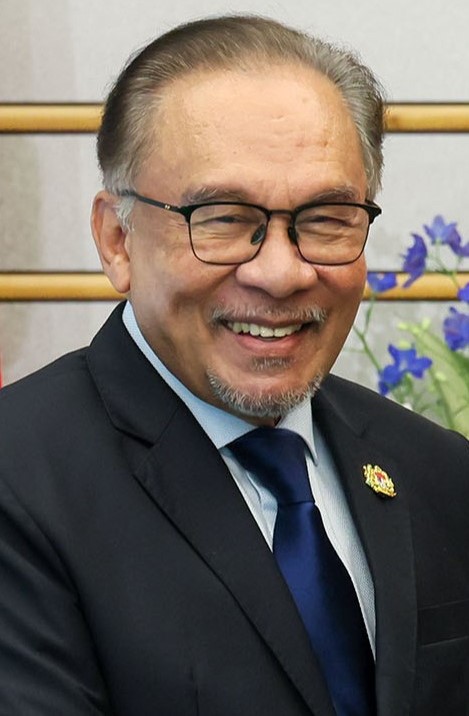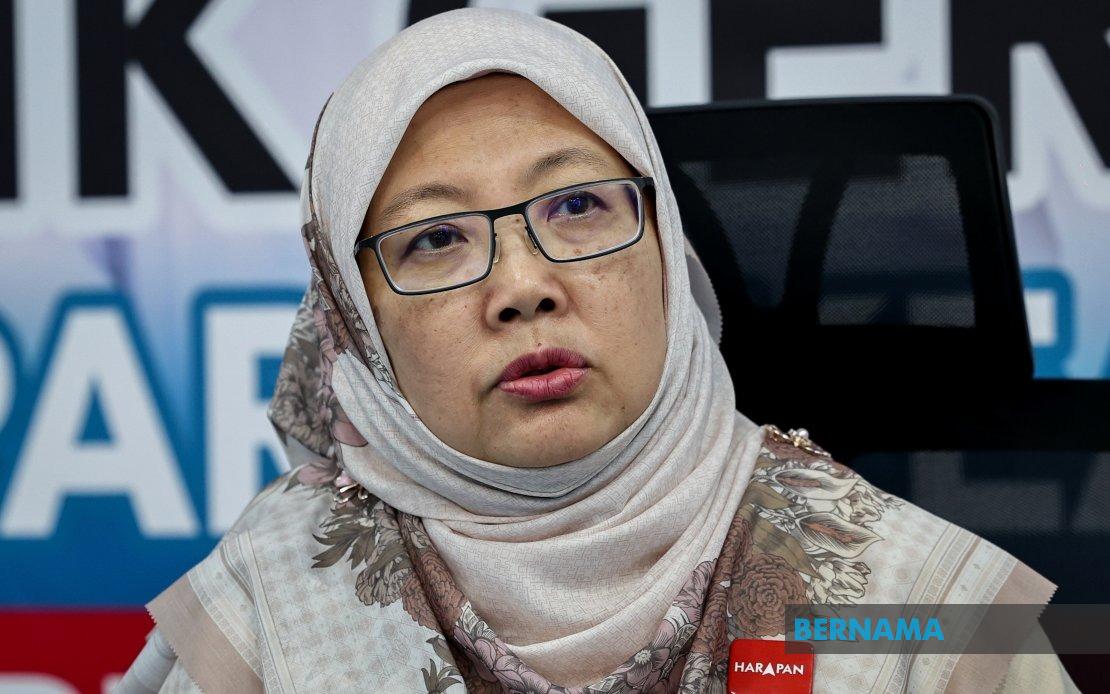
Pakatan Harapan is set to formally unveil its complete slate of candidates for the upcoming Johor state election this Monday, according to Johor PKR chairman Datuk Seri Dr Zaliha Mustafa. The announcement marks a critical juncture in the opposition coalition's bid to wrest control of the southern state from incumbent Barisan Nasional, which has governed Johor for decades. The ceremony will be presided over by PH chairman Datuk Seri Anwar Ibrahim and other senior party leadership, underscoring the significance of the contest.
The venue for the candidate announcement has been strategically selected as northern Johor, with Bukit Gambir in Tangkak emerging as the likely location. This geographical choice reflects a calculated political strategy by the coalition to capitalize on what party officials describe as building momentum in the region. Dr Zaliha emphasized that recent grassroots activities in the northern zone, including programs held in Bukit Naning, have generated positive responses from voters and strengthened PH's organisational presence across multiple constituencies.
The candidate selection process has been rigorous and consultative, drawing input from party branches at the grassroots level to identify individuals with genuine understanding of local community concerns and demonstrated track records in service. This approach aims to ensure that selected candidates possess not merely political credentials but also the contextual knowledge and credibility necessary to resonate with voters in their respective constituencies. The emphasis on consultation reflects PH's belief that electoral success depends upon fielding candidates who have earned the trust of their communities through prior engagement and work.
Diversity and representation have been central considerations in the candidate selection, with the coalition deliberately incorporating professionals, younger candidates, women, and individuals from various ethnic backgrounds. This deliberate balancing of the candidate slate reflects broader strategic thinking about how PH can present a team that mirrors the pluralistic composition of Johor's electorate. Rather than pursuing narrow appeals to specific voter blocs, the coalition is attempting to demonstrate broad-based inclusivity and an understanding that governance requires representation across multiple constituencies of interest and identity.
Beyond demographic composition, selected candidates have been assessed on their capacity to advance PH's overarching strategic objectives in this election. The coalition views candidate selection not as a perfunctory administrative exercise but as foundational to its electoral ambitions. Candidates must demonstrate the capability to contribute meaningfully to the coalition's competitive position and, more importantly, to build the political foundation necessary for PH to form a state government. This reflects recognition that parliamentary or legislative seat counts matter less than the ability to command governing majorities.
PH's competitive posture in Johor differs markedly from a defensive strategy merely aimed at marginal seat gains. The coalition is explicitly contesting all 56 State Legislative Assembly seats with the deliberate target of capturing control of state government rather than simply improving upon its previous electoral performance. This represents a significant escalation in ambition compared to earlier cycles and reflects confidence that political conditions in Johor have shifted sufficiently to permit serious challenges to long-standing Barisan dominance. The coalition's decision to field a complete slate across all constituencies signals intent to compete comprehensively across the state rather than ceding territory to rivals.
The distribution of seat assignments among PH's component parties reflects internal coalition arrangements and strategic calculations about candidate competitiveness. PKR will field twenty candidates, while the Democratic Action Party (DAP) contests seventeen seats, and Parti Amanah Negara (Amanah) stands in nineteen constituencies. This allocation attempts to balance the relative strengths of coalition partners while ensuring adequate representation and maximizing PH's overall competitive capacity. The arrangement reflects ongoing negotiations within the coalition about the distribution of political opportunities and influence.
The electoral timeline for Johor's state election creates an intensive campaign period for all contesting parties. Candidate nominations are scheduled for June 27, with early voting to take place on July 7 and the main polling day set for July 11. This compressed schedule compressed affords limited time for candidates to establish themselves with voters and for the coalition to build campaign momentum across all fifty-six constituencies. The tight timeline amplifies the importance of candidate quality and the effectiveness of ground organization in determining electoral outcomes.
For Malaysian political observers, the Johor contest carries significance extending beyond the state's boundaries. As one of the country's largest and most influential states, Johor's political complexion has implications for national politics and the ongoing competition between PH and the Barisan-Perikatan coalition. The state has historically served as a stronghold for conservative and Malay-Muslim political forces, yet recent electoral trends suggest shifting voter preferences. PH's decision to contest comprehensively in Johor rather than adopting a minimalist strategy indicates the coalition believes the political terrain has become sufficiently receptive to warrant ambitious campaigns across the entire state.