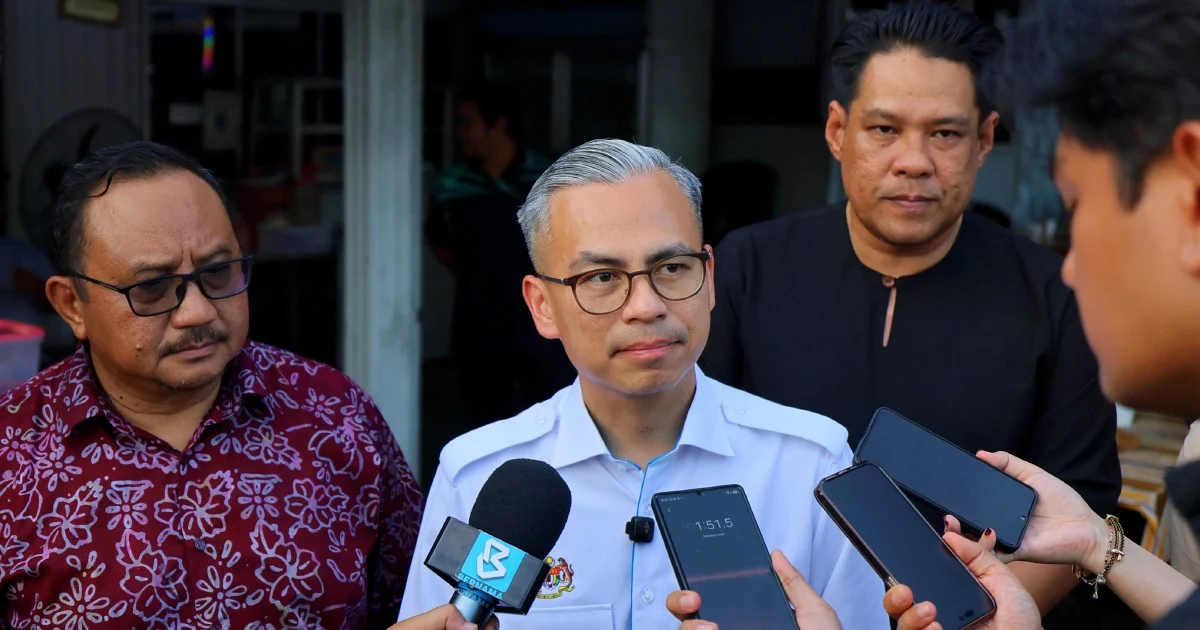
Pakatan Harapan is preparing to contest the impending Johor state election through a carefully calibrated combination of digital outreach and conventional on-the-ground campaigning, according to party officials speaking in Batu Pahat. The coalition's decision to pursue what it describes as a dual-track approach reflects evolving thinking about how to effectively communicate with voters across different demographic segments and geographic areas within Malaysia's southern state.
The strategy signals recognition among PH leadership that reliance on either digital or traditional methods alone would prove insufficient in reaching the diverse electorate in Johor, which encompasses urban centres, semi-rural areas, and smaller towns. By integrating online platforms with physical grassroots presence, the coalition hopes to establish multiple touchpoints with potential supporters and reinforce its messaging across different media channels simultaneously.
Social media and digital platforms have become increasingly significant in Malaysian election campaigns over the past decade. These tools allow parties to communicate directly with younger voters and maintain ongoing engagement between campaign events. Digital channels also provide opportunities for rapid response to developments and for supporters to share campaign content organically within their networks, potentially reaching areas where physical campaign presence may be limited.
However, ground-level campaigning remains irreplaceable in Malaysian politics. Direct interaction with voters through roadshows, community gatherings, and house-to-house visits builds personal connections that digital engagement cannot fully replicate. This traditional approach has proven particularly effective in establishing trust among older voters and in communities where personal relationships and face-to-face communication carry significant weight in electoral decision-making.
The Johor election represents a critical test for Pakatan Harapan's organisational capacity and strategic messaging. The state has traditionally been competitive, with outcomes often reflecting broader national political trends. Success in Johor would strengthen PH's position ahead of potential federal-level political developments, while underperformance could indicate weaknesses in the coalition's ability to mobilise supporters and maintain relevance in key electoral battlegrounds.
For Malaysian voters and political observers, this hybrid approach offers insights into how established political coalitions are adapting to a media environment that encompasses both traditional and digital channels. The effectiveness of combining these methods will likely influence how other parties and coalitions structure their campaigns in subsequent elections, potentially establishing new benchmarks for electoral strategy across Southeast Asia's major democracies.
Johor's significance extends beyond state-level politics. As Malaysia's second-largest state by population and a crucial economic centre, electoral performance here sends signals about which coalitions can command support across diverse constituencies. The state's urban and rural areas, Malay-majority constituencies, and more diverse urban centres create a microcosm of broader Malaysian electoral dynamics.
Pakatan Harapan's campaign planning must also account for the competitive landscape in Johor. The coalition faces established rivals and internal pressures to maintain unity among its component parties while presenting a coherent vision to voters. Clear and consistent messaging across both digital and physical campaign spaces becomes essential for preventing confusion or contradiction that opposition parties could exploit.
Resource allocation will prove critical in executing this dual-track strategy effectively. Campaign funds must be distributed between maintaining digital infrastructure and presence while simultaneously supporting regional and local organisational structures. Different constituencies may require different emphasis depending on demographic composition and historical voting patterns, requiring sophisticated analysis and targeted deployment of campaign resources.
The timing of the Johor election and its proximity to other political developments in Malaysia adds another layer of complexity to campaign planning. Voters' attention and engagement levels fluctuate based on broader national news cycles and political developments. Pakatan Harapan's campaign must remain flexible enough to respond to unexpected political developments while adhering to its core strategic framework.
For regional observers and international analysts tracking Malaysian politics, this campaign offers practical lessons in how modern political coalitions navigate a media landscape that continues to evolve rapidly. The integration of digital and traditional methods represents a maturation of campaign strategy that acknowledges the limits of any single approach while maximising reach across the full spectrum of potential supporters.
As preparations advance, the success of Pakatan Harapan's hybrid approach will ultimately depend on execution quality at all levels—from senior strategists developing campaign messaging to local coordinators engaging voters on the ground. The coalition's ability to maintain message consistency, mobilise its membership, and effectively utilise its campaign resources will determine whether this dual-track strategy translates electoral planning into electoral success in Johor.

