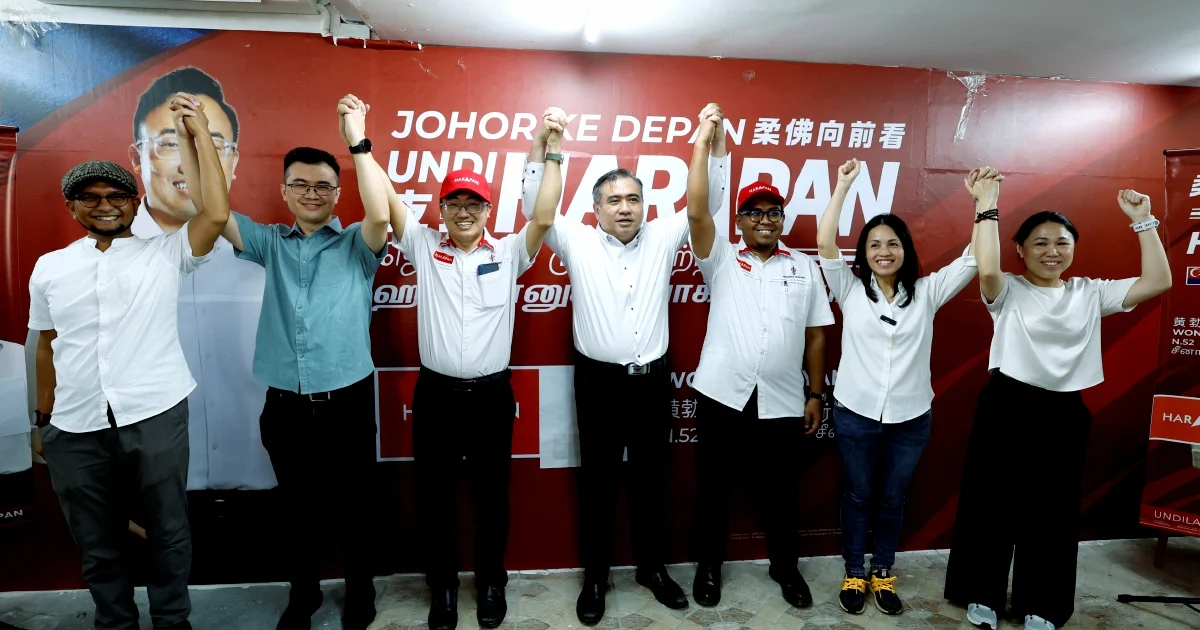
Pakatan Harapan's approach to the forthcoming Johor state election emphasises securing electoral victory before settling internal leadership decisions, according to the coalition's senior figures. The selection of a Menteri Besar candidate, should the opposition bloc triumph at the ballot box, will remain deferred until the coalition's highest decision-making body—its top leadership council—makes the formal determination. This measured stance reflects the coalition's strategic prioritisation of winning the mandate from Johor voters rather than becoming entangled in leadership negotiations that might distract from campaigning efforts or create factional tensions before polling day.
The decision to withhold naming a Menteri Besar candidate exemplifies how Malaysian opposition coalitions typically manage the tension between internal consensus-building and electoral pragmatism. Pakatan Harapan's multiple constituent parties, representing diverse political interests and voter bases, often require extensive negotiation to reach agreements on major positions. By deferring the announcement, the coalition avoids the complications that might arise if rival parties clash publicly over candidate preferences or if a pre-announced choice alienates certain voter groups who might harbour reservations about particular individuals. This approach has become standard practice across Malaysian politics, where coalition harmony during the campaign phase often depends on postponing divisive decisions.
Johor's electoral significance cannot be understated within Malaysia's broader political landscape. As the country's second-most populous state and an economically vital region anchoring the southern corridor, Johor's control determines which political force can shape crucial development policies, investment priorities, and regional governance. The state traditionally swings between governing coalitions, and recent electoral cycles have demonstrated shifting voter sentiment regarding governance performance and leadership credibility. For Pakatan Harapan, winning Johor would represent a substantial breakthrough in a state where the coalition has struggled to establish decisive dominance, despite occasional electoral advances.
The coalition's emphasis on winning before naming leadership suggests confidence in its electoral prospects while acknowledging the genuine uncertainty inherent in any state election. By keeping the Menteri Besar position open, Pakatan Harapan potentially preserves flexibility in accommodating different parties' claims to the top position based on their respective electoral performance. If one party substantially outperforms others in terms of seat wins or vote share, such results could justify claims to the chief minister role. This contingent approach respects coalition partners' contributions to whatever victory might materialise.
For Johor's electorate, this deferral strategy raises questions about campaign transparency and voter information. Voters typically benefit from knowing leadership alternatives before casting ballots, yet the coalition's approach treats the Menteri Besar selection as an internal matter to be resolved after voters have already decided the state's political direction. This reflects a particular conception of democratic accountability, where coalitions argue that voters primarily authorise overall governance frameworks rather than specific individuals for executive roles. Yet it also limits voters' ability to evaluate leadership options during the campaign itself.
Pakatan Harapan's constituent parties each maintain their own ambitions regarding the Menteri Besar position, though these remain largely unspoken during the pre-election period. The Democratic Action Party, People's Justice Party, and Amanah have different strengths across Johor's diverse constituencies, and final negotiations will likely weight seat contributions heavily. The coalition's senior leadership council—comprising top figures from all member parties—possesses the authority to make such determinations, suggesting a collegiate decision-making process rather than an individual kingmaker scenario.
This strategy also represents a response to governance challenges that previous administrations have faced. Johor has experienced substantial economic changes, demographic shifts, and infrastructure development pressures in recent years. The state's identity as both an industrial hub and a destination for property investment creates competing policy priorities that different leadership figures might address differently. By selecting a Menteri Besar after the election, Pakatan Harapan argues that the coalition can choose someone positioned to address the specific mandate voters provide, whatever shape that takes.
The timing of Loke's statement underscores the campaign's intensity and the coalition's determination to maintain message discipline. Leadership discussions during elections risk becoming liabilities if they suggest internal discord or power struggles, potentially undermining the coalition's appeal as a unified alternative government. By publicly anchoring the Menteri Besar decision to post-election negotiations, Pakatan Harapan signals that all parties remain focused on the common objective of winning, with personal ambitions subordinate to collective victory. This narrative resonates particularly with voters fatigued by political squabbling.
The broader implications for Malaysian politics extend beyond Johor itself. If Pakatan Harapan successfully employs this strategy—winning the election through unified messaging followed by orderly leadership selection—the approach could become a template for future opposition coalition campaigns. Conversely, if internal disputes over the Menteri Besar position subsequently damage the government's credibility or functionality, the decision to defer naming could retrospectively appear as a missed opportunity for transparent pre-election accountability. How the coalition executes the post-election selection process will therefore shape perceptions of its internal health and governance culture.
For Malaysian voters and analysts watching Johor's electoral trajectory, the coalition's stance represents a calculated bet that victory can be achieved without premature leadership announcements, and that internal mechanisms will produce legitimate, defensible post-election outcomes. Whether this approach ultimately strengthens or weakens Pakatan Harapan's electoral appeal depends significantly on the state's voters and how they weigh governance clarity against coalition stability.

