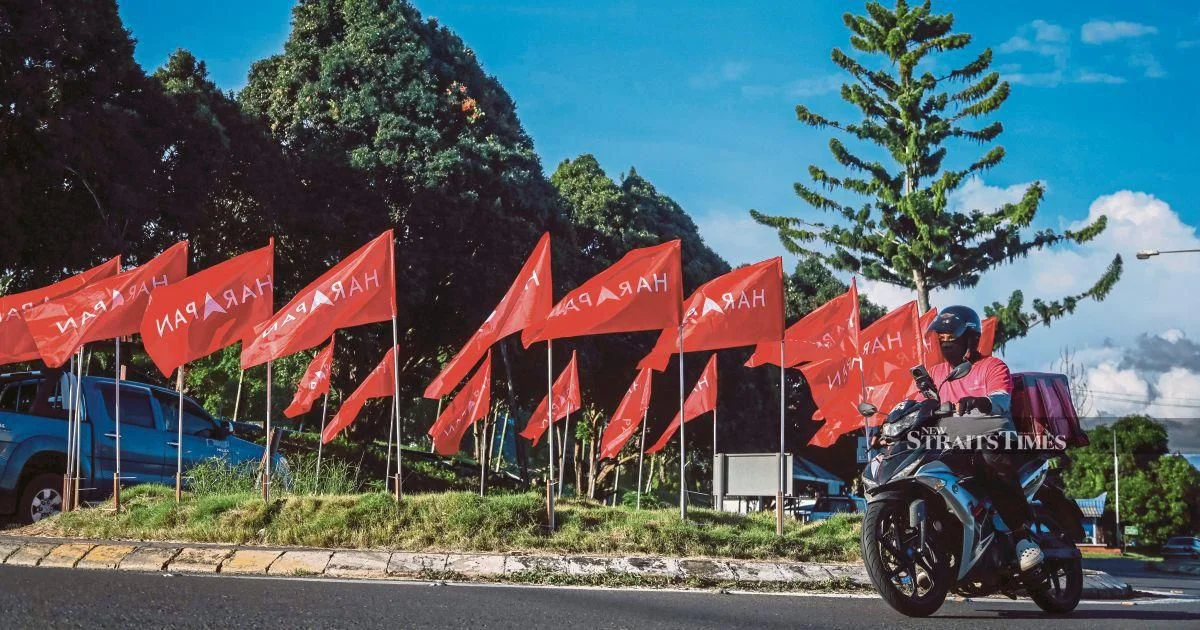
Pakatan Harapan leadership has made clear that the coalition will not rush to unveil its chief ministerial candidate for the 16th Johor state election simply because rivals expect it to do so. The decision reflects a strategic approach that prioritises internal consensus and electoral positioning over reactive political posturing, according to coalition sources in Johor Baru.
The refusal to nominate what observers have termed a "poster boy" candidate underscores the coalition's confidence in its ability to contest the election on its own terms. Rather than respond to external pressure or competitive announcements from other parties, Pakatan Harapan is maintaining flexibility in its campaign strategy, keeping potential candidates in reserve until the optimal moment for disclosure.
This measured stance carries particular significance given Johor's political volatility in recent years. The state has witnessed numerous shifts in power dynamics and allegiances, making early candidate announcements risky. By withholding its hand, Pakatan Harapan avoids providing opponents with extended time to study, criticise, or build counter-narratives around its chosen representative.
The timing of such announcements typically involves complex calculations. Early declarations allow candidates to build name recognition and campaign infrastructure, yet they also expose individuals to prolonged scrutiny and potential vulnerabilities. Pakatan Harapan appears to have concluded that the disadvantages of premature announcement outweigh these benefits in the current Johor political environment.
For Malaysian political observers, the coalition's restraint demonstrates a shift toward more strategic election management. Historically, parties have rushed to name candidates in attempts to appear organised or to claim momentum. Pakatan Harapan's different approach suggests the coalition is learning from previous election cycles where early announcements became liabilities rather than advantages.
The coalition's position also reflects internal discussions still underway regarding the strongest possible candidate. Multiple potential figures likely remain under consideration, with the final choice dependent on factors including electability, internal party support, administrative experience, and demographic appeal. Rushing this decision could fracture coalition unity or alienate influential party members whose favoured candidates were passed over.
Johor remains a crucial battleground for national politics. As the second-largest state by population and a traditional power base for various coalitions, election outcomes there often provide indicators of broader political sentiment across Malaysia. A strong showing benefits whoever leads the government, while underperformance can undermine national positioning and governing confidence.
Pakatan Harapan's competitors may attempt to use the coalition's silence as a weakness, suggesting indecision or internal discord. However, coalition strategists likely view this as acceptable risk, betting that voters will ultimately judge performance and vision rather than the timing of candidate announcements. This calculation reflects confidence that the coalition retains sufficient support independent of the chief ministerial face.
The approach also signals to Johor voters that Pakatan Harapan intends to compete earnestly rather than participate in superficial political theatre. By declining to announce simply because rivals or media expect it, the coalition reinforces an image of independent decision-making grounded in local conditions rather than national pressure points.
Within the coalition structure, this decision likely involved consensus among component parties. Differing views on suitable candidates probably required careful negotiation to prevent public disagreement. The united front on refusing premature disclosure demonstrates the coalition has reached sufficient agreement on strategy, even if final candidate choice remains fluid.
For Southeast Asian politics more broadly, Pakatan Harapan's approach reflects emerging sophistication in campaign management. Regional political parties increasingly recognise that constant announcements and reactive positioning can exhaust voter attention and blur core messages. Strategic silence, deployed selectively, sometimes communicates greater strength than continuous visibility.
As the 16th Johor election approaches, Pakatan Harapan's refusal to be drawn into naming a candidate candidate will likely remain a subject of media speculation and political commentary. However, the coalition's position appears firm: the announcement will occur when internal deliberations conclude and strategic timing aligns, not before. This stance prioritises electoral effectiveness over satisfying external expectations, a calculation that may prove decisive in determining the state's political future.

