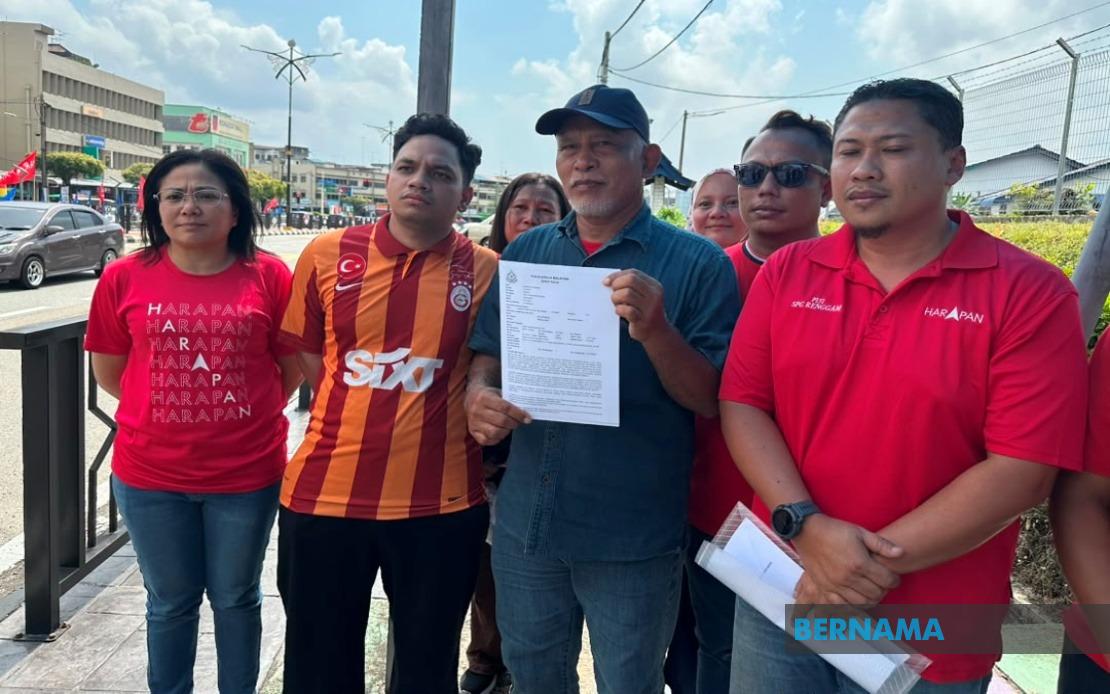
Allegations of electoral misconduct have surfaced in Johor's ongoing state election campaign, with a Pakatan Harapan representative filing a formal police complaint against Menteri Besar Datuk Onn Hafiz Ghazi. The complaint, lodged at Simpang Renggam district police headquarters, centres on claims that technical and vocational education students were improperly mobilised to support Barisan Nasional candidates during politically motivated programmes.
Khiru Nasir Rohani, representing the PH's Machap seat candidate, alleged that a systematic approach had been undertaken to persuade students enrolled at local TVET institutions to participate in events designed to build support for BN nominees. The accusation represents a serious challenge to the legitimacy of campaign tactics being employed in this contested electoral battle, touching on fundamental issues of institutional neutrality and student autonomy. According to the complaint, students from TVET facilities were allegedly required to attend a structured programme in Kluang on July 4, which critics contend functioned as an undisclosed political rally rather than an educational initiative.
The alleged conduct potentially violates multiple provisions of Malaysia's electoral framework, particularly the Election Offences Act 1954. Khiru Nasir argued that the actions constitute undue influence and the improper exploitation of official positions and educational systems for partisan political purposes. These are serious charges that, if substantiated, would demonstrate a troubling willingness to blur institutional boundaries in pursuit of electoral advantage. The involvement of educational institutions in partisan campaigning raises particular concerns about the pressure placed on young voters who may lack the maturity to recognise or resist subtle forms of political coercion.
Beyond the specific allegations, this incident reflects broader anxieties about electoral conduct standards in Malaysian politics. The complaint highlights the potential vulnerability of student populations to institutional pressure, particularly when such pressure originates from government-linked activities or officials. TVET students, many from modest backgrounds pursuing practical qualifications, may feel constrained from declining government-sponsored invitations regardless of their political preferences. This asymmetry of power between state institutions and young voters deserves serious investigation.
Khiru Nasir, serving simultaneously as Simpang Renggam Amanah deputy division chief, has called for coordinated action by multiple enforcement agencies. His appeal for investigation by the police, the Malaysian Anti-Corruption Commission (MACC), and the Election Commission (EC) suggests that addressing this matter requires multi-agency attention rather than singular institutional response. This approach acknowledges that electoral integrity intersects with anti-corruption and educational oversight responsibilities. The convergence of these concerns demonstrates how campaign misconduct can implicate multiple regulatory domains simultaneously.
The timing of the allegation carries particular significance given that Johor's state election polling is scheduled for the imminent Saturday, with 172 candidates competing across 56 state assembly seats. This compressed timeframe places pressure on investigative agencies to act swiftly while respecting due process requirements. The proximity of the alleged incident on July 4 to polling day raises questions about how such investigations will be concluded and whether findings might influence voter decisions or post-election accountability. Election authorities will need to balance transparency with avoiding interference in ongoing electoral processes.
The Machap seat itself has emerged as a focal point for these allegations, with the PH campaign apparently monitoring and documenting BN activities within their target constituency. The decision to lodge a formal police report rather than pursue alternative grievance mechanisms signals confidence that electoral regulations have been meaningfully transgressed. This move also transforms what might have been a localised campaign dispute into a matter of official record requiring formal investigation and potential legal consequences.
From a broader perspective, this incident illuminates tensions inherent in Malaysian electoral competition where ruling coalition parties possess structural advantages through access to government resources and institutional machinery. TVET institutions, while ostensibly educational, operate within government frameworks that may create incentives or expectations for political alignment. Students attending these institutions depend on government funding and credentials, creating informal pressure mechanisms that sophisticated campaigners can potentially exploit.
The allegations also raise questions about oversight mechanisms within government institutions during campaign periods. Malaysia's Election Commission maintains regulations governing campaign conduct, yet enforcement of these provisions depends significantly on monitoring and complaints from opposition parties and civil society watchdogs. Without active vigilance from candidates' representatives, institutional exploitation of campaign rules might proceed without formal challenge. The PH's willingness to document and report alleged violations demonstrates the essential role that electoral competitors play in enforcing compliance with campaign standards.
Moving forward, the investigation outcomes will carry implications extending beyond this particular election cycle. Findings of institutional misconduct could establish precedents regarding permissible and impermissible uses of government resources during campaigns. They may also prompt reviews of TVET institutional policies governing student participation in external activities during election periods. The investigation findings might include recommendations for strengthening institutional independence from partisan influence during sensitive electoral periods.
Sector-wide implications deserve consideration as well. If TVET institutions are being systematically leveraged for campaign purposes, this practice potentially corrupts their educational missions and undermines student confidence in institutional neutrality. Technical and vocational education serves a crucial function in Malaysia's economy by developing practical workforce skills. Politicisation of these institutions could distract from educational objectives and discourage some qualified students from pursuing vocational paths, particularly those from opposition-supporting communities who might fear discrimination or surveillance.
The broader democratic principle at stake concerns whether electoral contests remain genuinely competitive when one coalition enjoys privileged access to institutional resources and student populations. Democratic integrity requires that campaigns compete on relatively equal footing in terms of access to volunteers, venues, and audiences. When government institutions become extensions of ruling coalition campaigns, this foundational equality erodes. The investigation's scope and findings will thus carry significance for Malaysia's electoral democracy that transcends this particular state election cycle.

