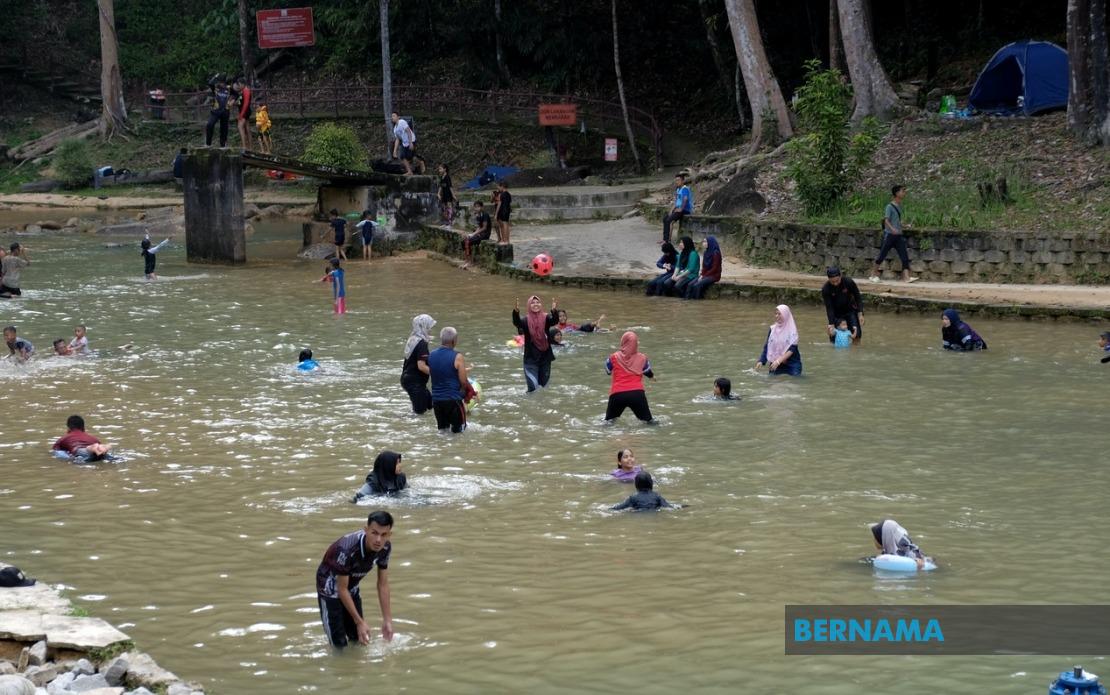
The Pahang State Health Department (JKNP) has initiated a formal investigation into allegations that multiple visitors to a recreational site in the Bentong area fell ill with symptoms characteristic of acute gastroenteritis following water exposure. The reported cases, which emerged recently, involved visitors experiencing diarrhoea, vomiting, and fever shortly after bathing in a river at the location, prompting swift action from health authorities to determine the source and scope of the potential contamination.
In their preliminary assessment, JKNP conducted a risk evaluation and reviewed data from its existing disease surveillance infrastructure. Notably, the department found no formal notifications of food poisoning incidents or any unusual spike in acute gastroenteritis cases through official reporting channels. This suggests that while complaints have circulated, the cases have not yet registered as a confirmed cluster within the formal health system, leaving open questions about whether the symptoms are directly attributable to the water source or stem from other causes.
As part of their investigative protocol, health officials collected raw water samples from multiple points along Sungai Benus in Janda Baik on June 14 for microbiological examination. These laboratory analyses remain pending, representing a critical step in determining whether pathogenic organisms or harmful bacteria contaminated the water supply. The results will form the scientific foundation for any formal outbreak declaration and guide public health interventions.
The investigation reflects growing concerns across Malaysia about water safety at recreational facilities, particularly during peak leisure seasons when rivers and natural swimming areas attract significant visitor numbers. Rivers in forest areas surrounding towns like Bentong and Janda Baik are popular weekend destinations for families and tourists seeking relief from urban heat, making water quality assurance essential for public health. Environmental contamination in such settings can occur from multiple sources, including inadequate sewage treatment from nearby accommodation facilities, agricultural runoff, or natural microbial proliferation during warm months.
JKNP has deployed a multi-layered response strategy extending beyond laboratory testing. Active case detection efforts are underway to identify additional symptomatic individuals and establish epidemiological links between cases. Health investigators are simultaneously attempting to pinpoint exposure sources and associated risk factors, examining factors such as water entry points, bathing durations, and whether certain visitor groups showed higher illness rates. This detective work is crucial for distinguishing between a localised contamination event and broader water quality issues affecting the entire recreational area.
Concurrently, the department has enhanced acute gastroenteritis surveillance at government and private healthcare facilities throughout surrounding regions. This expanded monitoring system enables rapid detection of any emerging patterns or clusters of cases that might otherwise go unnoticed if patients seek treatment at multiple dispersed locations. The approach recognises that visitors to Bentong's recreational areas come from across Pahang and neighbouring states, potentially distributing any pathogenic exposure across a wider geographic footprint.
Coordination with other government agencies represents another critical component of the response. JKNP is collaborating with relevant organisations to conduct comprehensive water quality assessments and identify potential pollution sources contaminating Sungai Benus. This interagency approach addresses the reality that water contamination often stems from factors beyond health department jurisdiction, including industrial discharge, inadequate waste management infrastructure, or deficient sewage systems in nearby residential and commercial establishments.
The investigation has also highlighted standards compliance issues at recreational and accommodation facilities. JKNP's statement emphasised that operators must maintain sanitation facilities, potable water supplies, and sewage systems meeting public health requirements, with regular maintenance to prevent environmental pollution and waterborne disease transmission. This messaging signals that the department is scrutinising facility management practices, recognising that even naturally clean water sources can become contaminated through poor hygiene infrastructure at developed recreational sites.
Public health guidance issued alongside the investigation advises individuals experiencing gastrointestinal or febrile symptoms following river exposure to seek immediate medical evaluation and treatment. This approach ensures symptomatic cases receive care while simultaneously feeding epidemiological data back to investigators. The guidance also implicitly encourages affected individuals to report incidents rather than managing symptoms privately, creating a more complete picture of the outbreak's true extent and severity.
The timing of this investigation reflects seasonal patterns in waterborne disease transmission across Southeast Asia, where warm, wet conditions favour pathogen proliferation. For Malaysian public health authorities, cases like the Bentong incident underscore persistent challenges in managing health risks at informal recreational facilities that may lack sophisticated water treatment infrastructure. The incident also serves as a reminder that while Malaysia maintains generally good public health standards, vigilance remains necessary to prevent outbreak escalation in settings where water quality monitoring may be inconsistent.
As laboratory results remain pending and investigations continue, the Ministry of Health has committed to transparent communication regarding any developments, with updates to follow as epidemiological investigations and risk assessments yield findings. The department's emphasis on obtaining information through official channels reflects concern about rumour-driven public anxiety, which can spread faster than verified facts and complicate outbreak management. Public cooperation with health authorities in reporting suspected cases will prove essential to determining whether this incident represents a localised, containable problem or signals broader water safety concerns requiring systemic intervention across Pahang's recreational infrastructure.

