India's medical education system is gripped by turmoil as over 2 million students prepare to retake one of the country's most challenging examinations following a major integrity scandal. The retesting of the National Eligibility cum Entrance Test, originally scheduled for May 3, was prompted by widespread allegations that question papers had been compromised through advance leaks circulating on social media platforms. The cancelled results have created unprecedented stress among aspiring doctors who invested years preparing for an exam that determines their pathway into India's highly competitive medical schools.
The stakes in this examination are extraordinarily high. Competition for medical seats remains brutally selective, with only 5 to 6 per cent of test-takers ultimately securing admission to medical colleges. This narrow success rate means that a substantial portion of candidates must endure multiple attempts, each requiring extensive preparation and financial investment. For many students from middle-class and lower-income backgrounds, failure in this examination can derail career aspirations and represents a significant setback after years of rigorous study and sacrifice.
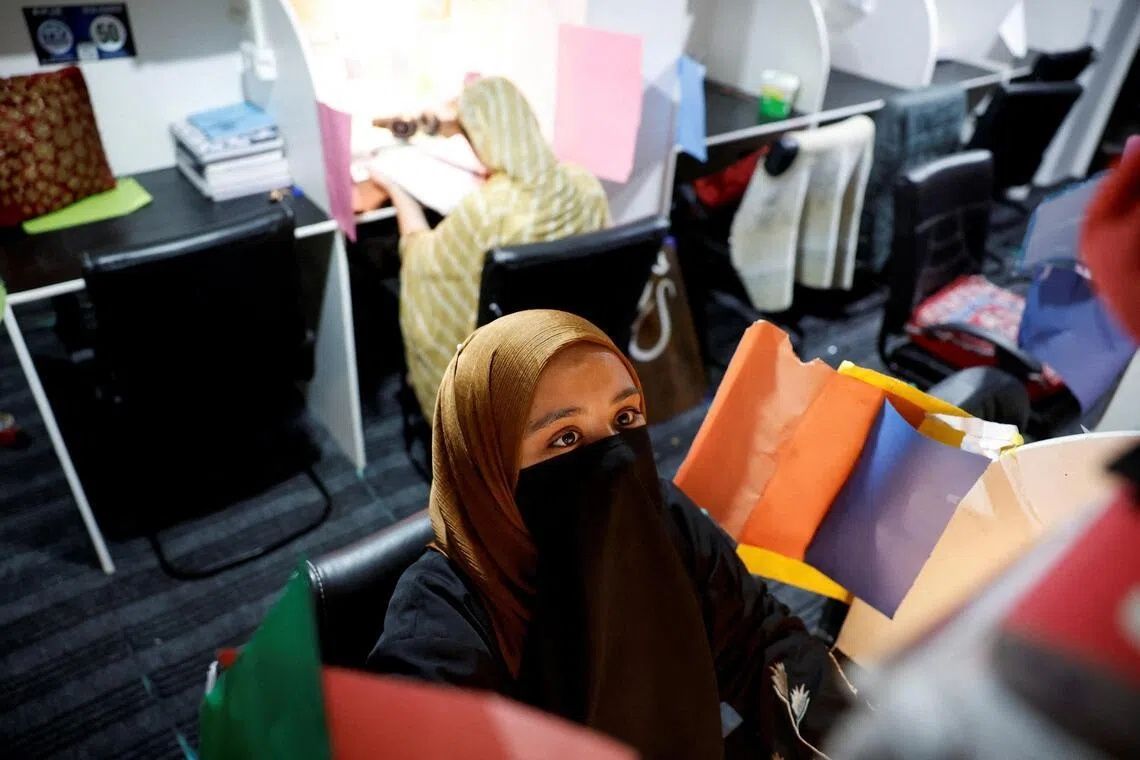
The psychological toll on candidates has become increasingly visible as the retake date approaches. Alima Javed, a 20-year-old aspirant from Srinagar, expressed frustration that students are being punished for institutional failures beyond their control. Having already invested considerable mental and emotional energy into the initial attempt, many candidates now face the daunting prospect of starting their preparation cycle afresh. The accumulation of stress is compounded by uncertainty about whether similar security breaches might occur during the rescheduled examination, leaving students questioning whether their efforts will ultimately be recognized or rendered worthless once again.
The scandal has evolved into a significant political crisis for Prime Minister Narendra Modi's administration. Student demonstrations have erupted across major Indian cities, with hundreds of protesters gathering to voice their grievances. The visibility of these protests in New Delhi and beyond has transformed what might otherwise be dismissed as an administrative problem into a governance issue that directly affects Modi's standing with India's youth demographic. Opposition politicians have seized upon the controversy to criticize the government's management of education policy, while unverified claims that some students have taken their own lives have intensified public scrutiny and amplified pressure on authorities to demonstrate decisive action.
Facing intense criticism, the Education Ministry has committed to implementing comprehensive security measures for the June 21 retake. Minister Dharmendra Pradhan pledged that the rescheduled examination would be conducted with heightened fairness and transparency safeguards. The government has simultaneously launched an extensive multi-agency investigation attempting to trace the origins of the leaked papers and identify networks involved in facilitating cheating. Officials have announced arrests across multiple states and warned of significantly enhanced penalties for those found complicit in examination malpractice, signalling that the government views the breach as a serious criminal matter requiring robust prosecution.
The government's response has extended to highly controversial measures aimed at preventing future leaks. Authorities ordered a temporary blockade of the messaging application Telegram, arguing that the platform's encryption features and ease of channel recreation made it particularly vulnerable to misuse by cheating networks. This decision drew immediate criticism from digital rights advocates and free speech campaigners who contended that restricting access to a communication platform represented an excessive and disproportionate response. The ban persisted after an Indian court ruled on June 19 that the government's actions were legally justified and reasonable given the circumstances, though the judiciary's decision failed to satisfy critics concerned about precedent-setting restrictions on digital freedoms.
The security enhancements announced for future examinations represent an acknowledgment that systemic vulnerabilities existed in the previous protocol. Enhanced monitoring at testing centres, stricter procedures governing question paper handling and distribution, and implementation of digital tracking systems for examination materials constitute a comprehensive overhaul of procedural safeguards. These measures aim to create layers of verification and accountability that would theoretically prevent advance access to examination questions. However, implementation of such systems across thousands of testing centres nationwide presents logistical challenges that will test the government's capacity to execute its stated intentions uniformly and effectively.
Despite official assurances and announced security improvements, many students remain deeply sceptical that the retake will provide genuine reassurance or eliminate their apprehension. Aliya Jalaal, another 20-year-old candidate, described being sufficiently distressed by the prospect of retaking an examination she had felt confident about initially that she sought professional psychiatric intervention. Her situation exemplifies how the scandal has inflicted psychological damage extending beyond temporary inconvenience, creating genuine mental health challenges for candidates already vulnerable to examination-related stress. The emotional aftermath of the breach demonstrates that announcing new security protocols, while administratively necessary, does little to address the deep anxiety that has permeated the student population.
For Malaysia and other Southeast Asian nations with comparable education systems, the Indian examination scandal offers cautionary lessons about examination security and institutional credibility. As regional governments increasingly digitize educational assessment systems, the Indian experience underscores the critical importance of robust protocols preventing unauthorized access to examination materials. The social consequences of compromised examination integrity—including student protests, political backlash, and mental health impacts—extend far beyond the immediate academic domain, touching upon broader questions of governmental competence and institutional trustworthiness that affect public confidence across multiple sectors.
The retake scheduled for June 21 represents both a critical moment for individual candidates and a test of governmental crisis management. Beyond the immediate examination logistics, the broader challenge facing Indian authorities involves restoring confidence among students that examination systems can be trusted to function with integrity. The path forward requires not only technical security improvements but also transparent communication addressing student concerns and demonstrable follow-through on accountability measures for those responsible for the initial breach. How effectively authorities navigate this recovery will significantly influence public perception of India's education system and governmental reliability for years to come.

