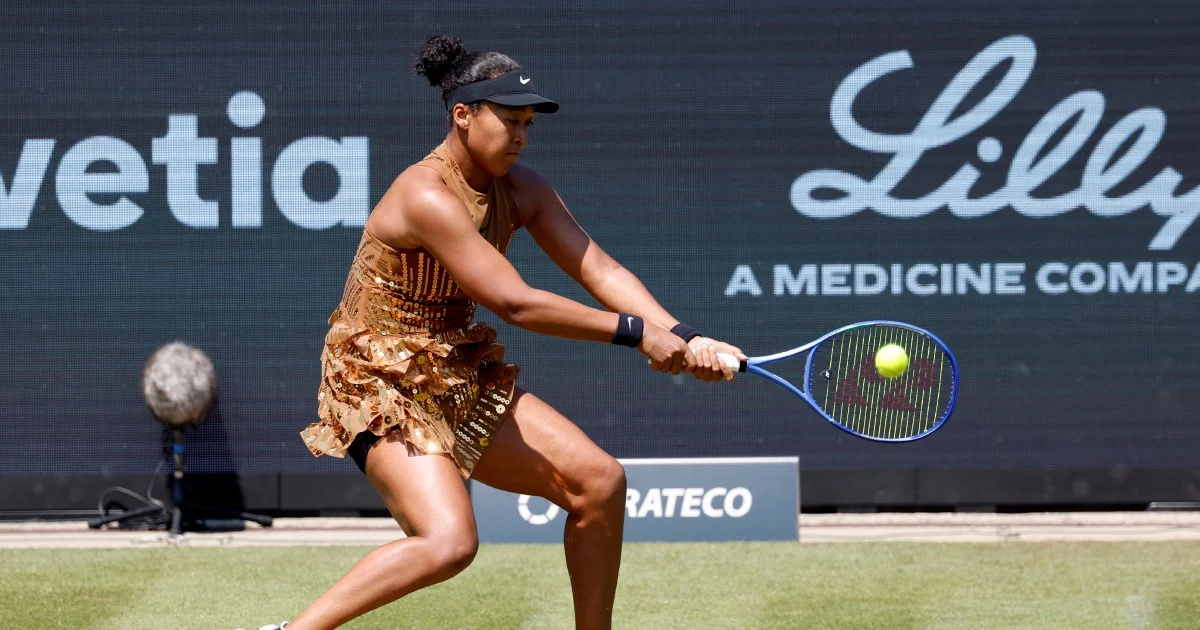
Four-time Grand Slam winner Naomi Osaka has secured a berth in her maiden grass court final, delivering an impressive performance to dispatch China's Wang Xinyu at the Bad Homburg tournament in Germany on Thursday. The breakthrough represents a notable achievement for the Japanese star, who has long sought to establish herself as a formidable competitor on the grass circuit ahead of the grass season's marquee events.
Osaka's victory over Wang showcased the kind of dominant tennis that earned her multiple major titles on hard courts. The Japanese player's aggressive baseline game and powerful striking proved too much for the Chinese competitor to handle throughout their encounter. Wang, despite her competitive efforts, was unable to mount a sustained challenge against an opponent executing her gameplan with precision and confidence.
This final appearance carries particular significance for Osaka as she continues her journey of rebuilding her ranking and competitive standing following her well-documented mental health breaks from the sport. The grass court environment has historically been one where her all-court game can flourish, combining her baseline strength with the faster conditions that suit aggressive players. Reaching a final on this surface demonstrates that her return to competition is yielding tangible results and renewed confidence.
The Bad Homburg tournament, held in Germany's Hesse region, has provided Osaka with an ideal opportunity to gain momentum during the grass season. Many elite players use early grass events as preparation for Wimbledon, where grass court tennis reaches its zenith. Osaka's progression to this final indicates she has adapted well to the unique demands of playing on grass, where serve-and-volley tactics, quick court movement, and precise grass court footwork become increasingly important.
Wang Xinyu, meanwhile, demonstrated her capability to compete at this level but encountered an opponent in sublime form. The Chinese player has been working to elevate her standing in women's tennis, and while this loss represents a missed opportunity, it also provided valuable experience at an elevated competitive tier. For Southeast Asian fans monitoring Chinese tennis developments, Wang's presence in major tournament stages reflects the growing depth of women's talent emerging from Asia.
Osaka's path through the tournament indicates she has been managing her game effectively, which suggests her preparation for the upcoming grass season is on track. The importance of building rhythm and confidence before major tournaments cannot be overstated, particularly for players returning to the sport after extended absences. Each match victory compounds the psychological benefits of competitive success and helps restore the instinctive patterns that elite athletes depend upon.
The grass court circuit remains one of professional tennis's most distinctive environments. Unlike hard courts, grass surfaces demand constant adjustment, with players unable to rely on consistent bounce patterns or extended baseline exchanges. Osaka's success against Wang suggests she has incorporated these lessons effectively. Her aggressive approach, combined with the willingness to shorten points and finish at the net, represents an intelligent adaptation to grass court tennis that may serve her well throughout this season.
For Malaysian and regional tennis enthusiasts, Osaka's resurgence represents an important narrative in women's tennis. The sport has benefited tremendously from the success stories of Asian players, and Osaka's pursuit of recapturing her elite status continues to inspire athletes across the region. Her willingness to take on challenges after adversity, both personal and professional, provides a template for resilience that extends beyond the sport itself.
Looking ahead to her final appearance at Bad Homburg, Osaka will face an opponent yet to be determined from the other semifinal. The final provides her with an opportunity to add a grass court title to her résumé, something that has eluded her throughout her career despite her extraordinary success in Grand Slam tournaments. Victory would represent not merely a trophy, but confirmation that she can compete at the highest level across all surfaces and that her return has genuinely restored her competitive edge to championship-winning levels.

