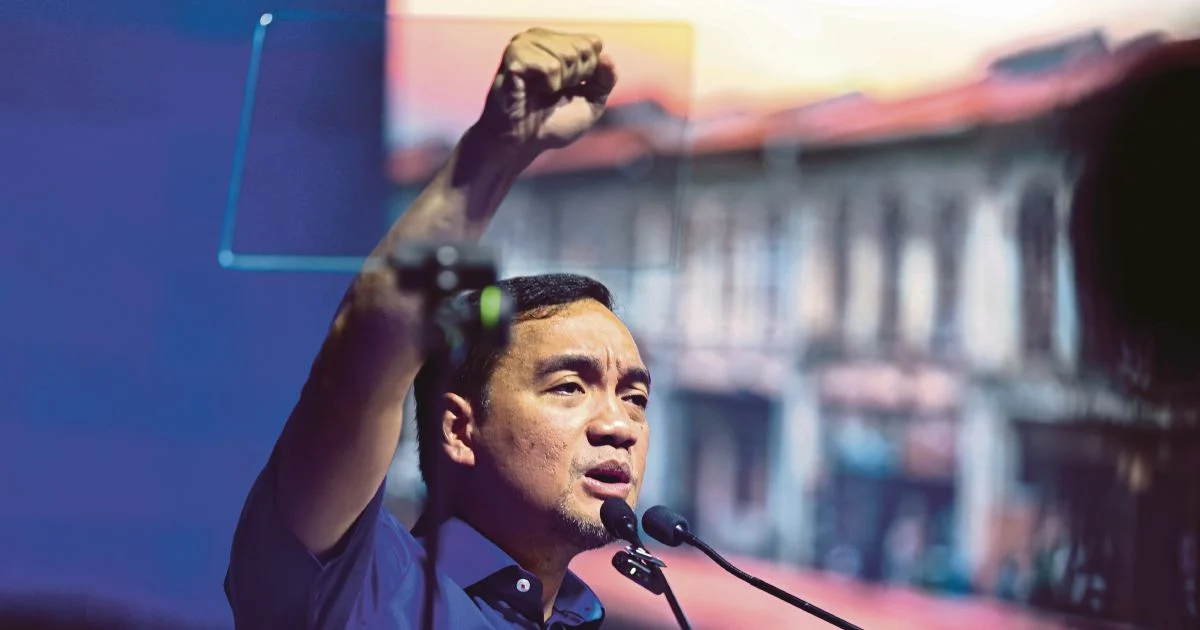
Caretaker Menteri Besar Datuk Onn Hafiz Ghazi has committed to retaining his Machap constituency seat as Johor prepares for its coming state election. The development marks a significant moment for the Johor political landscape, with the state's chief executive signalling continuity in his political representation despite the electoral process ahead.
Onn Hafiz's decision to contest Machap reflects the traditional approach taken by senior state figures who seek to maintain grassroots support within their home constituencies. The Machap seat, located in Johor, has been a focal point of his political career, and his willingness to defend it underscores the importance placed on direct representation between elected officials and their constituents at the state level.
As caretaker Menteri Besar, Onn Hafiz holds the chief executive position during the interim period preceding the election. This transitional administrative role carries responsibilities for managing state affairs while the electoral machinery prepares for the formal campaign phase. His announcement to contest Machap indicates confidence in both his political standing locally and his prospects for continued leadership at the state level.
The Johor election represents a pivotal moment for the state's political trajectory. With the caretaker administration in place, various constituencies throughout the state are preparing for contests involving sitting legislators and new challengers. The election will determine which coalition and political leadership gains the mandate to govern Johor for the subsequent term, making individual contests like Machap integral to the broader political outcome.
Machap's significance within Johor's electoral framework stems from its demographic composition and voting patterns. The constituency has historically been contested between major political groupings, and Onn Hafiz's personal standing within the area will likely influence the competitive dynamics. His tenure as Menteri Besar has provided opportunities for state-level visibility and resource allocation that typically benefit a sitting executive's home constituency.
The timing of Onn Hafiz's announcement provides clarity for political parties and voters regarding the contests ahead. Political parties typically mobilise resources and candidate selection processes once senior figures confirm their intentions. Onn Hafiz's decision potentially streamlines party preparations, allowing focus to concentrate on other competitive seats throughout Johor where outcomes remain uncertain.
For Malaysian observers following state-level politics, the Johor election carries implications extending beyond the state's borders. Johor remains one of Malaysia's economically significant states with considerable electoral weight. The composition of its state legislature influences the broader political balance at the federal level, given the interconnected nature of Malaysian politics between state and national levels.
Onn Hafiz's track record as Menteri Besar forms the backdrop to his electoral campaign in Machap. Voters will assess his governance record, policy initiatives undertaken at the state level, and their local impacts. The caretaker period itself offers a condensed window during which his administration's recent decisions and ongoing projects remain fresh in public memory, potentially advantaging the sitting executive.
The competitive environment within Johor's opposition groupings adds complexity to individual constituency contests. Various political parties will field candidates across the state seeking to expand their representation. The strength of opposing candidacies in Machap, combined with broader state-level campaigns, will shape the electoral contest Onn Hafiz faces in his home constituency.
Regional political trends across Southeast Asia increasingly see state-level elections serving as indicators of shifting voter sentiment. Malaysia's decentralised federal system means state legislatures wield considerable authority over resource allocation, development planning, and local governance. Johor's election thus carries weight beyond mere representation, with implications for how state-level administration addresses economic development, social services, and infrastructure priorities affecting millions of residents.
Onn Hafiz's commitment to contest Machap establishes continuity as a central theme of his political positioning. Whether challenging candidates from opposition parties successfully mobilise voters around alternative visions for Machap's development remains to be determined during the formal campaign phase. The electoral contest will ultimately reflect Machap constituents' assessment of the sitting Menteri Besar's performance and their preferences regarding alternative leadership directions.

